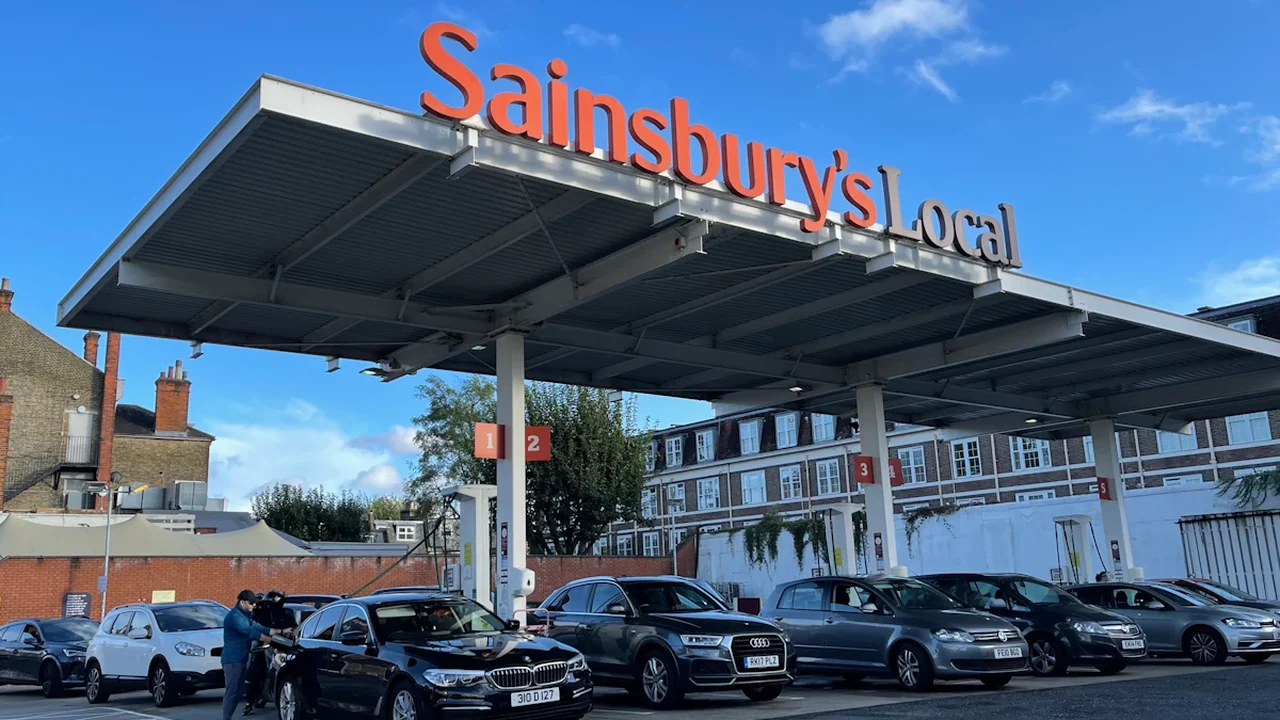
A pump that is 4p per litre cheaper saves £1.60 on a 40-litre fill. That is the useful starting point for UK drivers comparing petrol or diesel stations, but the saving shrinks if reaching the cheaper pump means driving farther. Check the local price difference, how much you will buy and the extra distance before making a special trip.
By AtheneNet
Use the UK weekly figure as a benchmark, not a local quote
The UK Government publishes a weekly road fuel price series covering petrol and diesel. Its national figures provide context for judging whether prices are generally rising or falling. Check the date of the latest release before comparing it with prices displayed at stations.
A national figure cannot tell you what a particular forecourt is charging. Prices can differ between nearby stations, and the price available when you arrive may differ from one you saw earlier. Compare prices for the same fuel type and grade, using current local pump prices where possible. Do not treat a national average as a promise that you can buy fuel at that price.
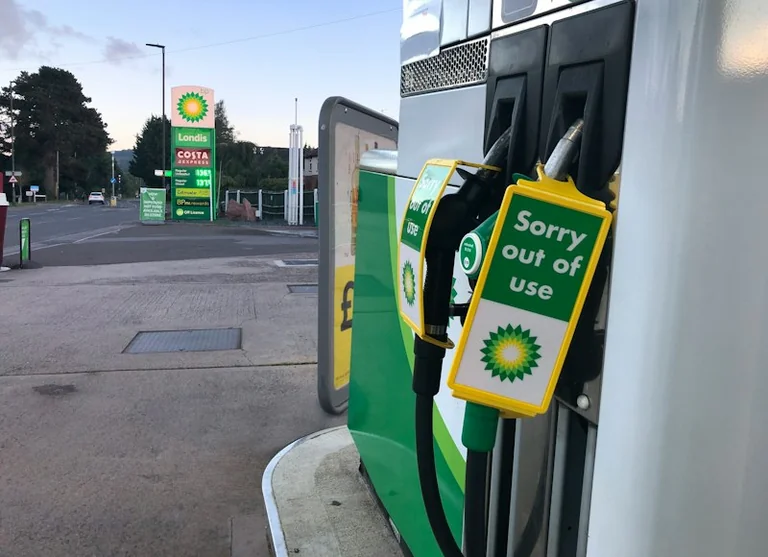
The difference that matters for a buying decision is measured in pence per litre between the stations you could realistically use. If the cheaper station is already on your route, that difference may translate fairly directly into a saving. A separate journey calls for another calculation.
Turn a price difference into pounds saved
Multiply the price gap in pence per litre by the litres you expect to buy, then divide by 100. This gives the gross saving in pounds before any extra travel costs.
For example, suppose one station is 4p per litre cheaper and you buy 40 litres. The calculation is 4 × 40 ÷ 100 = £1.60. These are illustrative figures, not current UK pump prices. Buying 20 litres at the same price difference would save 80p; buying 50 litres would save £2.
Use the amount you actually need, rather than your tank’s full capacity. A small top-up produces a smaller saving even when the price gap looks attractive on a roadside sign. For a household making regular journeys, the same calculation can help compare familiar stations, provided the prices and detours are checked afresh.
Subtract the cost of reaching the cheaper station
Count only the distance added to the journey you would otherwise make. For an illustrative six-mile extra round trip in a car achieving 40 miles per imperial gallon, the journey uses about 0.68 litres of fuel. At an illustrative £1.50 per litre, that fuel costs about £1.02. Subtracting it from the £1.60 gross saving leaves roughly 58p.
That estimate covers fuel used on the detour, not other motoring costs or the value of your time. Traffic, cold starts and real-world fuel economy can also change the result. If the detour is longer or you buy fewer litres, the apparent bargain could disappear. If the cheaper pump lies along a journey you were making anyway, the added fuel cost may be close to zero.
For your next fill, note the two local prices, estimate the litres you will buy and check the extra round-trip distance on your route. Calculate the gross saving first, then subtract the likely cost of the additional drive. Use the Government’s latest weekly release for national context, while letting the prices and journey available to you decide whether to stop.
Source: UK Government
Context & actions About this article
Source check How the comparison works
The UK Government’s weekly series provides national context; the worked saving uses clearly labelled example prices, litres and driving distance.
- Check the date of the latest Government weekly road fuel price release.
- Compare current local prices for the same fuel type and grade.
- Subtract the fuel used on any extra journey from the gross saving.
- Source
- UK Government weekly road fuel prices
- Scope
- United Kingdom
- Updated
- 2026-09-29 09:41
Source check
Report a trust issue
Send a clear signal to community moderation if the source, facts or context need review.


Comments