By AtheneNet Consumer Desk | 22 August 2026
The UK energy price cap restricts the unit rates and standing charges that suppliers can apply to households on default tariffs. It does not set a maximum total bill: households that use more gas or electricity will still pay more.
The annual figure is an illustration, not a bill limit
Ofgem calculates its widely reported annual figure using assumed consumption for a typical dual-fuel household. It helps households compare one cap period with another, but it is neither a guaranteed price nor the most any customer can pay.
Your actual cost is broadly determined by the energy used, multiplied by the applicable unit rate, plus daily standing charges. Regional rates, meter arrangements and payment methods can also affect the result.
Ofgem normally updates the cap periodically. Before quoting or comparing rates, check the cap period dates and figures published on Ofgem’s energy price cap page.
Which households are protected
The cap generally protects domestic customers in Great Britain who are on a supplier’s default tariff, including standard variable tariffs. Separate capped rates apply across payment arrangements such as Direct Debit, standard credit and prepayment.
It does not normally govern a fixed tariff while that agreement remains in force, and it does not cover business energy contracts. Northern Ireland has a separate energy market and regulator.
To identify your position, check:
- the tariff name and whether it is fixed or variable;
- the electricity and gas unit rates shown in pence per kilowatt-hour;
- each fuel’s daily standing charge;
- the payment method and tariff end date;
- the region or distribution area used for the quoted rates.
Compare these details with the relevant cap-period information on Ofgem’s website. Your supplier must also provide the rates applying to your account.
Check readings before judging whether a bill is correct
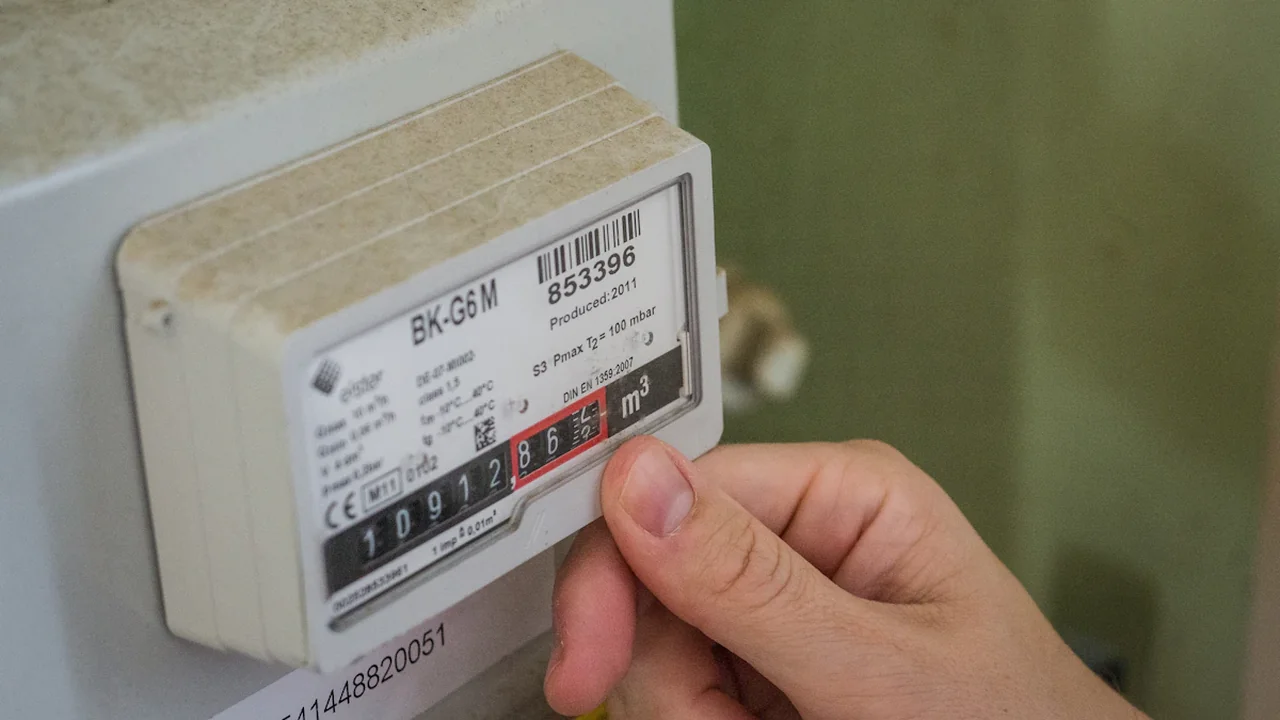
Submit accurate meter readings if the supplier does not receive reliable smart-meter data. A bill based on estimates may be higher or lower than the energy actually used, with the difference corrected later.
If a Direct Debit changes, ask the supplier for the consumption forecast, account balance and tariff rates behind its calculation. A monthly payment is only a contribution towards expected annual costs; it is not the same as the bill for energy already consumed.
How to challenge a disputed charge
Contact the supplier first and request a written breakdown if readings, dates or rates appear wrong. Keep photographs of meter displays, bills, account statements and correspondence.
Where a supplier failed to bill a domestic customer correctly, Ofgem’s back-billing protections may apply. Ask the supplier to assess the disputed amount under those rules rather than assuming every older charge is automatically recoverable or automatically cancelled.
Use the supplier’s formal complaints process if the issue remains unresolved. Households should also check eligibility for independent energy advice and financial support through recognised consumer-support services. The next practical check is the Ofgem cap page for the rates, dates, payment method and region matching the account.
Source: Ofgem
Context & actions About this article
Source check Official guidance
This explainer uses Ofgem guidance on default-tariff protections and domestic back-billing.
- Confirmed that the cap limits unit rates and standing charges rather than total bills.
- Distinguished illustrative annual costs from guaranteed household bills.
- Excluded an unsupported current cap figure.
- Included Ofgem’s back-billing guidance for disputed historic charges.
- Source
- Ofgem energy price cap
- Scope
- United Kingdom
- Updated
- 2026-08-22 13:31
Source check
Report a trust issue
Send a clear signal to community moderation if the source, facts or context need review.


Comments