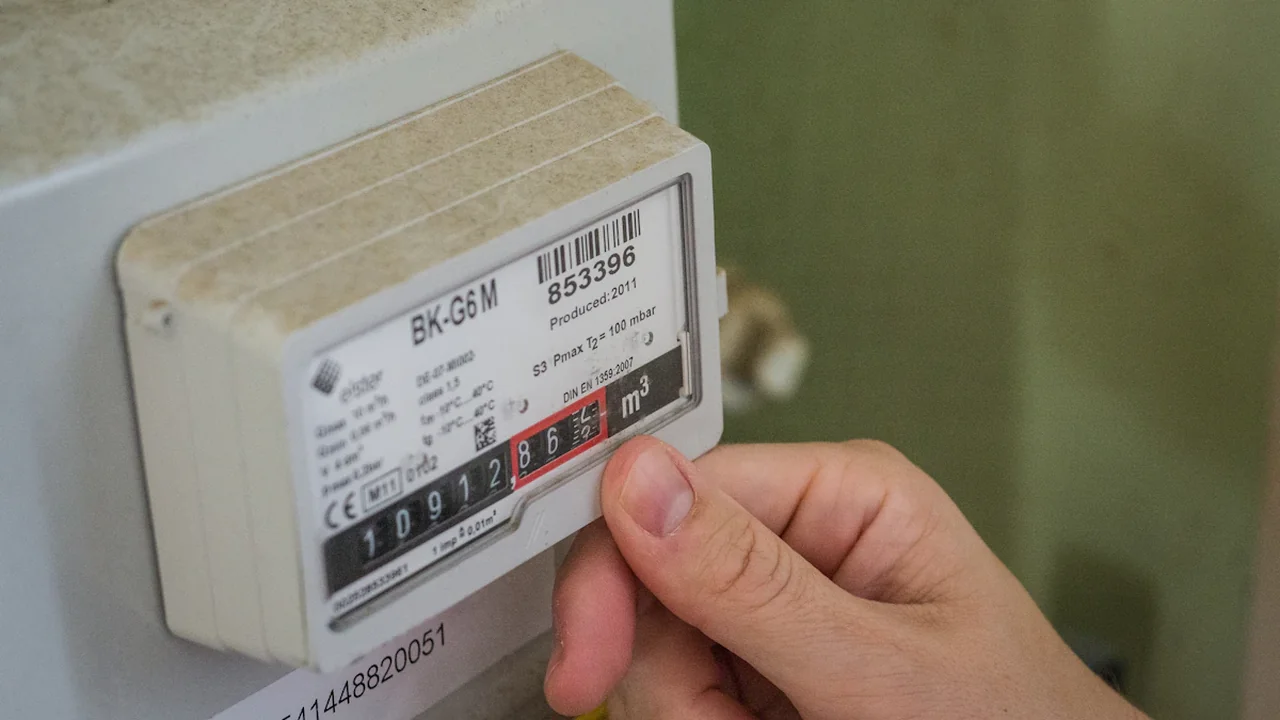
Millions of UK households will see their energy bills shift starting October 1st, 2026, as Ofgem announces the new energy price cap level today. This adjustment dictates the maximum rate suppliers can charge for standard variable tariffs, directly influencing the cost of heating and electricity for the upcoming winter season.
What the Price Cap Means for You
It is important to clarify that the price cap is not a limit on your total bill. Instead, it sets a cap on the unit rate of gas and electricity, as well as the daily standing charge. If you use more energy, your bill will remain higher; if you use less, it will be lower.
- Who is affected: Any household on a standard variable tariff or default energy deal.
- When it changes: The new rates become active on October 1st, 2026.
- Winter impact: This update is crucial for financial planning as energy consumption typically peaks during the colder months.
Managing Your Winter Energy Budget
While the cap fluctuates based on wholesale market prices, households can take proactive steps to manage costs before the change takes effect:
| Action | Purpose |
|---|---|
| Check Tariff Type | Confirm if you are on a fixed or variable plan |
| Compare Deals | Use accredited sites to see if a fixed rate offers better value |
| Submit Meter Readings | Ensure your supplier has accurate data before the October 1st switch |
Fixed vs. Variable Tariffs
Many consumers choose to switch to a fixed-rate tariff to shield themselves from cap increases. While this provides price certainty for the duration of the contract, it is essential to compare the exit fees and the total annual cost against the new price cap levels announced today. If you are currently on a fixed deal that is ending soon, you will automatically transition to the default tariff unless you actively choose a new plan.
Frequently Asked Questions
Is the Ofgem energy price cap actually a limit on my total monthly bill?
No, this is a common misconception. The Ofgem price cap is not a ceiling on your total bill, but rather a limit on the unit rates (pence per kWh) and the daily standing charges that suppliers can impose. If you leave your lights on or turn the heating up, your bill can still exceed the 'typical' annual figure quoted in the news. Effectively, the cap controls the cost of each unit, while your final bill is ultimately determined by your household's actual consumption.
How can I lower my energy costs before the October 1st price changes hit?
To minimize the impact of the October adjustment, follow these three steps immediately:
1. Submit a manual meter reading: Send this to your supplier on or just before September 30th. This prevents your energy usage from being estimated at the more expensive October rates.
2. Audit your tariff: Log into your supplier’s portal to check if you are on a 'Standard Variable' rate. If you are, use an Ofgem-accredited comparison site to see if a fixed-rate deal now offers better protection.
3. Assess energy efficiency: Prioritize 'low-hanging fruit' like installing a £10 radiator foil or checking your thermostat settings, as these small changes compound over the winter months.
Will these price cap changes affect my business or my home budget differently?
The October 1st Ofgem price cap applies specifically to domestic households on default or standard variable tariffs. It does not apply to business energy contracts, which are governed by different commercial market regulations. For residential households, the primary impact is a shift in your monthly direct debit requirement; contact your provider if the new rates cause a sudden spike in your estimated payments to request a budget review.
What should I do if my fixed-rate energy deal is expiring around the same time?
If your fixed deal ends near October 1st, you face a 'cliff-edge' moment where you will be automatically rolled onto your supplier's expensive default variable tariff. Do not wait for the renewal letter. Act 30 days before your contract end date to browse the current market. If no fixed deals offer savings, you are free to move to a different provider’s standard rate without exit penalties once your contract has officially ended.
Source: Ofgem
Context & actions About this article
Source check Official Ofgem Update
This report is based on the official price cap announcement published by Ofgem on August 20, 2026.
- Verify the new unit rates on your latest energy statement
- Check your supplier's website for fixed-rate alternatives
- Source
- Ofgem
- Scope
- United Kingdom
- Updated
- 2026-08-20 10:45
Source check
Report a trust issue
Send a clear signal to community moderation if the source, facts or context need review.




Comments