By AtheneNet Education Desk
Published: 22 August 2026
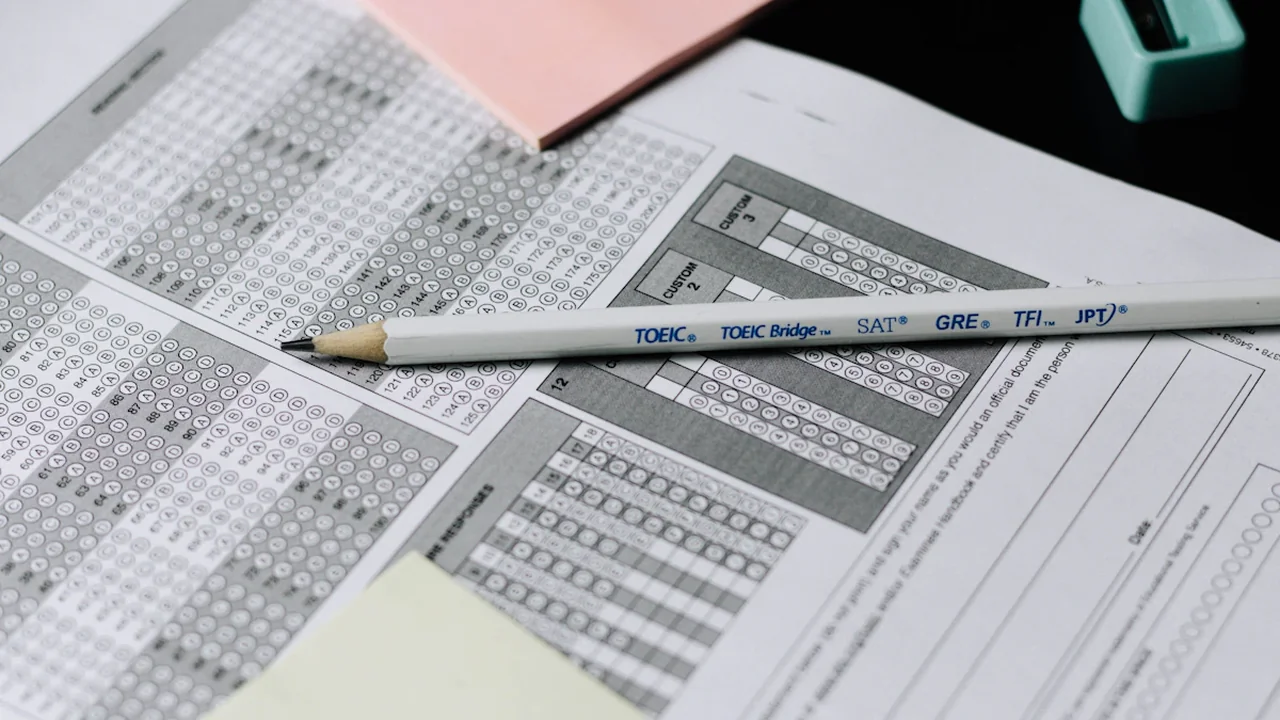
Students in England who are concerned about a GCSE grade should contact their school or college promptly. The centre can discuss the result and ask the exam board for a review of marking where appropriate. Private candidates can normally approach the relevant exam board directly.
A disappointing result does not necessarily mean that a marking error occurred. Before proceeding, check the board-specific deadline, possible fee and consequences—including that the mark and grade could go down as well as up.
Ask the school before requesting a review
Start with the exams officer or another designated member of staff. Explain which result concerns you and whether it affects entry to sixth form, college or an apprenticeship.
The school may discuss the original script, marks and grade boundaries with you. It may also be able to request access to the script, depending on the exam board’s service and timetable. Seeing the script can help teachers assess whether a review is sensible, but it does not itself change the mark.
A review of marking checks whether the mark scheme was applied correctly and whether any marking errors should be corrected. It is not a guarantee of a higher result.
Before submitting the request, the school will normally need the student’s consent because the outcome can be:
- a higher mark or grade;
- no change; or
- a lower mark or grade.
An appeal usually follows the review stage
A formal appeal is different from a review of marking. It generally comes after the review outcome and considers whether the exam board followed its procedures correctly and applied its rules properly.

Students should normally pursue an appeal through their school or college. Private candidates should check the relevant exam board’s instructions. An appeal is not simply another opportunity to ask for the same work to be marked again because the result was disappointing.
Deadlines and fees depend on the exam board
Contact the school as soon as possible because its internal deadline may be earlier than the exam board’s deadline. Fees, available services and processing times can also vary by board and request type.
Ask the school to confirm:
- the final date for submitting the request;
- whether a fee applies and who pays it;
- whether the fee is refunded if the grade changes;
- when the outcome is expected; and
- whether a faster service is available when a place depends on the result.
Do not rely on a deadline or fee quoted for a different exam board, qualification or year.
Tell sixth forms, colleges or employers immediately
If the disputed grade affects an offer, contact the admissions team or apprenticeship provider without waiting for the review outcome. Explain that a post-results request is being considered or has been submitted, and ask whether the place can be held.
If the grade changes, send the official outcome promptly. The provider decides how a revised result affects its offer, so keep copies of messages and note any response deadlines.
Check the official post-results guidance
GOV.UK advises students who believe a result is wrong to speak to their school or college; private candidates can contact the exam board directly. Ofqual’s results guidance also outlines post-results routes and education or training options. The next practical check is the relevant exam board’s current rules, followed by the school’s own submission deadline.
Source: GOV.UK
Context & actions About this article
Source check Official guidance
This guide reflects official routes for questioning exam results, while deadlines, fees and services must be checked with the relevant exam board.
- Students normally raise concerns through their school or college.
- Private candidates may contact the relevant exam board directly.
- A formal appeal generally follows the review stage.
- Board-specific deadlines and fees should be confirmed before applying.
- Source
- GOV.UK: Appeal an exam result
- Scope
- England
- Updated
- 2026-08-22 14:00
Source check
Report a trust issue
Send a clear signal to community moderation if the source, facts or context need review.



Comments