By AtheneNet Consumer Desk | Updated 17 August 2026
Households on default or standard variable tariffs should compare their supplier’s personalised autumn notice with Ofgem’s current rates before changing deals or setting a new budget. The energy price cap restricts covered unit rates and standing charges—it does not impose a maximum total bill. What a household pays still depends largely on its energy use.
The cap covers prices, not total household spending
Ofgem publishes the applicable price-cap periods and rates for customers on covered default tariffs. Electricity and gas are priced separately, and regional or payment-method differences may apply.
A unit rate is the price charged for each kilowatt-hour used. A standing charge is the daily amount payable even when little or no energy is consumed. Higher usage therefore produces a higher bill despite the cap.
Customers already on fixed tariffs need separate treatment. Their contracted rates do not automatically reset when a new cap period begins, although the cap may help them judge how their deal compares with a standard variable tariff.
Compare these figures before accepting a tariff
Find the tariff name and end date on a recent statement, supplier account or app. Look for wording such as “standard variable”, “default” or “fixed”, then check:
- Electricity and gas unit rates, including VAT.
- Daily standing charges for both fuels.
- The fixed deal’s start and end dates.
- Exit fees for leaving early.
- Payment method and any conditions attached to the quoted rates.
- Estimated annual cost based on your own recent consumption.
Do not compare deals using a supplier’s headline estimate alone. Two tariffs can produce different results depending on usage, standing charges and exit fees. Switching does not automatically save money.
Use an accurate reading at the pricing boundary
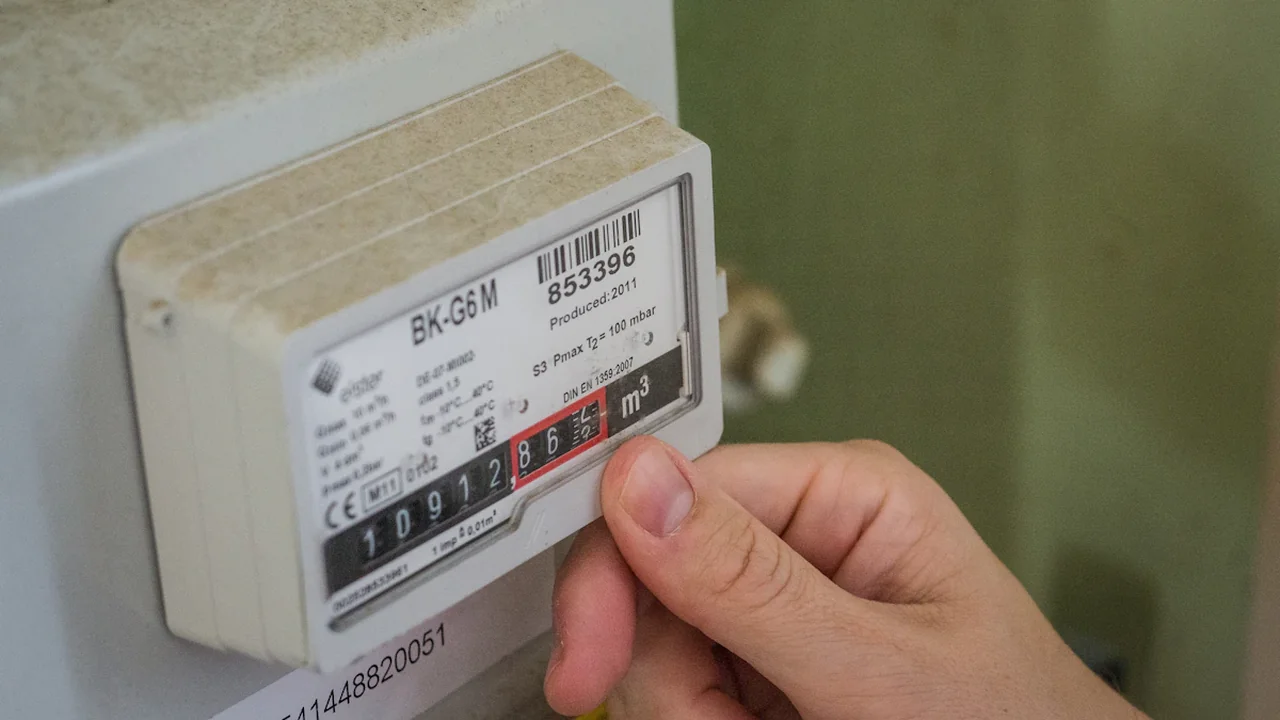
Submit meter readings close to the start of the new pricing period so consumption is assigned accurately between old and new rates. Photograph manual meter displays and keep the submission confirmation.
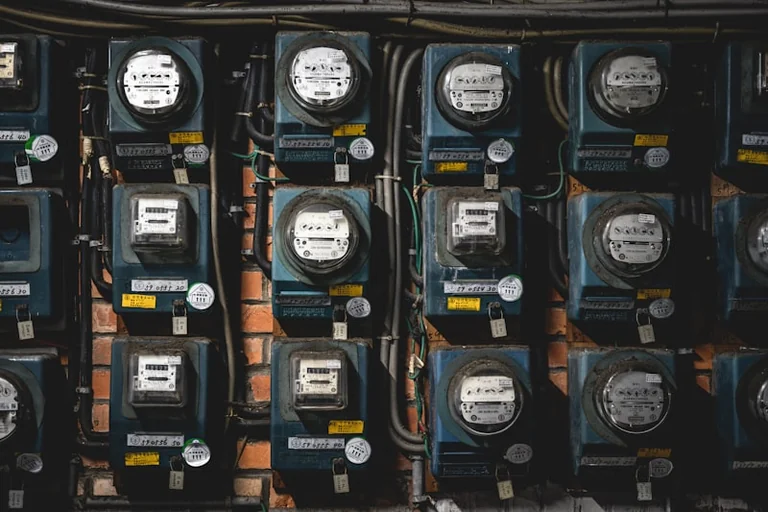
A communicating smart meter should normally send readings automatically, but customers can check their account to confirm that recent readings are marked as actual rather than estimated. Anyone with separate electricity and gas meters should verify both.
Confirm the official rates before making a decision
Ofgem’s energy price cap page provides the current framework, cap periods and applicable rates. Check it alongside the personalised notice from your supplier, which should show the rates relevant to your tariff, region and payment method.
Treat analyst forecasts only as estimates until Ofgem publishes the applicable cap. The most useful final check is whether a proposed tariff remains competitive after unit rates, standing charges, exit fees and your household’s actual consumption are considered together.
Source: Ofgem
Context & actions About this article
Source check Official information
This guide uses Ofgem’s price-cap framework and directs households to verify current rates against their supplier’s personalised notice.
- Confirm whether the tariff is fixed, default or standard variable.
- Compare separate electricity and gas unit rates and standing charges.
- Check exit fees and tariff end dates before switching.
- Verify the applicable cap period directly with Ofgem.
- Source
- Ofgem energy price cap
- Scope
- United Kingdom
- Updated
- 2026-08-17 14:47
Source check
Report a trust issue
Send a clear signal to community moderation if the source, facts or context need review.




Comments