
Ofgem’s energy price cap for 1 July to 30 September 2026 is £1,862 a year for a typical dual-fuel household paying by Direct Debit. That is 13% above the April–June level, so affected households should check their tariff, meter details and expected usage before the next payment or bill is calculated.
By AtheneNet Money Desk
Published 24 August 2026
Key points
- Electricity costs 26.11p/kWh under the headline cap rate; gas costs 7.33p/kWh
- Combined standing charges amount to about 86p a day before any energy is used
- Actual capped rates can vary by region, payment method and meter arrangement
July–September rates and standing charges
Ofgem’s price-cap table gives the following headline figures for Direct Debit customers during the current three-month period.
| Bill component | Ofgem figure |
|---|---|
| Typical annual dual-fuel total | £1,862 |
| Electricity unit rate | 26.11p/kWh |
| Electricity standing charge | 57.19p/day |
| Gas unit rate | 7.33p/kWh |
| Gas standing charge | 29.04p/day |
The standing charges add up to 86.23p a day, or approximately £315 over a full year, for a household supplied with both fuels. That amount is payable even when little or no energy is consumed.
The £1,862 headline is based on typical consumption and annualises the rates. It does not mean every household will pay £1,862, nor does it mean the July–September bill itself should be £1,862. A simple quarter of the annual illustration would be £465.50, but seasonal use, meter-reading dates and account adjustments can make an individual bill significantly different.
The increase does not affect every household equally
Ofgem announced in February that the cap would fall 7% to about £1,641 for April–June 2026. The move to £1,862 therefore adds £221 to the annualised typical figure, although households experience the change through their actual units consumed and daily charges.
Lower-use households
Standing charges take up a larger share of the bill when consumption is low. Reducing usage can still save money, but it cannot remove the daily charges while both supplies remain active.
Typical-use households
The £1,862 figure is most useful as a comparison point. Check whether the supplier’s annual projection uses accurate meter readings and realistic consumption rather than treating the cap headline as a personal forecast.

Higher-use households
The cap is not a maximum bill. A household using more electricity or gas than the typical assumptions can pay substantially more because every additional kilowatt-hour is charged at the applicable unit rate.
Money-saving checks that can change the calculation
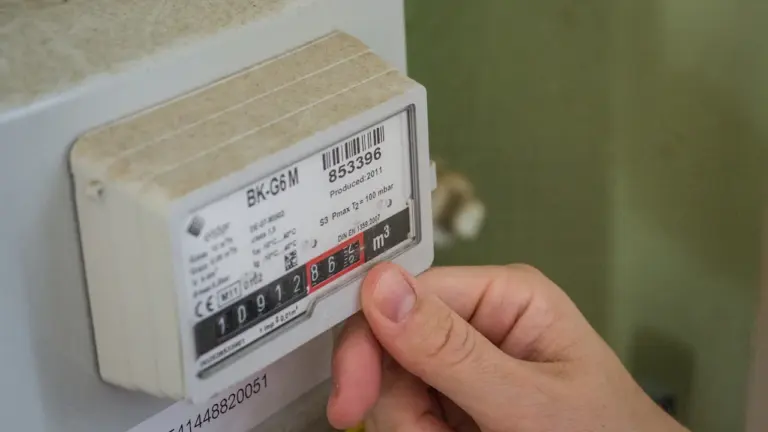
Start by confirming that the supplier has the correct meter readings. Estimated readings can cause a payment increase that does not match current consumption, while an unusually low estimate may store up a later catch-up bill.
Then compare the whole tariff rather than its advertised annual figure. Ofgem said in February that fixed tariffs were generally about £115 below the cap on average, but that observation related to offers available at that time. A fixed deal available now may be cheaper or more expensive, and exit fees can reduce the benefit of switching.
Time-of-use tariffs may suit households able to move electric-car charging, laundry or water heating into cheaper periods. They can be poor value when most consumption falls into expensive peak windows, so compare costs using half-hourly or recent smart-meter data where possible.
Other immediate checks include:
- Review whether Direct Debit payments match the account balance and annual forecast.
- Compare electricity and gas unit rates, standing charges and any exit fee.
- Ask whether a cheaper payment method is genuinely practical for the household.
- Check eligibility for supplier support, social tariffs or energy-efficiency schemes.
- Avoid cancelling a Direct Debit before confirming how the alternative payment rate changes.
Your decision checklist before the next bill
- Confirm whether the account is single-fuel or dual-fuel.
- Check the payment method shown on the latest statement.
- Identify the meter type and tariff class, including Economy 7 or other multi-rate setups.
- Compare the supplier’s rates with the figures applicable to the household’s region.
- Use annual kWh consumption from recent statements when comparing deals.
- Calculate the full fixed-tariff cost, including standing charges and exit fees.
- Submit a current meter reading if the bill is based on an estimate.
The next scheduled cap period begins after 30 September 2026. Any new Ofgem rates, or a fixed deal that changes before then, could alter the best choice, so use the latest supplier quote and Ofgem table at the point of comparison.
Source: Ofgem
Context & actions About this article
Source check How the figures were checked
The cap total, unit rates and standing charges are drawn from Ofgem, with calculated examples clearly identified as illustrations.
- Checked the July–September 2026 Direct Debit cap total against Ofgem’s rate table.
- Checked electricity and gas unit rates and daily standing charges.
- Compared the current figure with Ofgem’s February announcement for April–June 2026.
- Treated quarterly and annual standing-charge totals as calculations, not Ofgem forecasts.
- Source
- Ofgem energy price-cap rates
- Scope
- United Kingdom
- Updated
- 2026-08-24 08:44
Source check
Report a trust issue
Send a clear signal to community moderation if the source, facts or context need review.


Comments