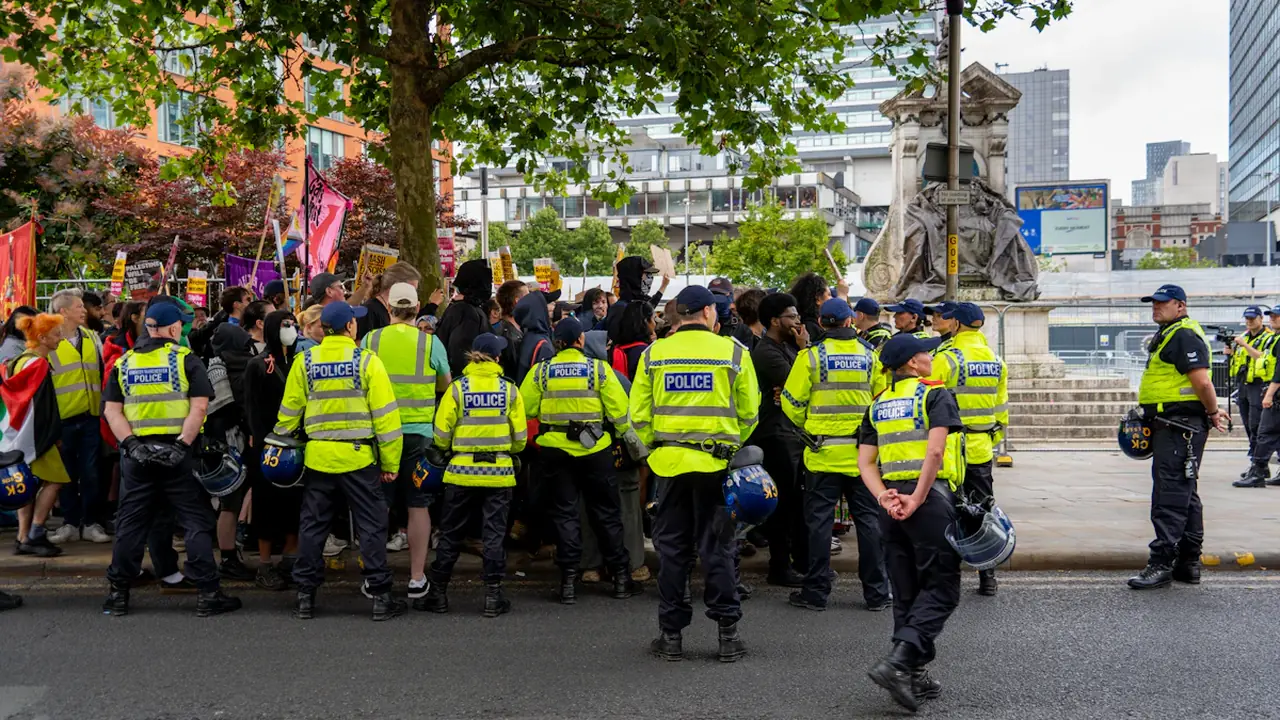
On 16 August 1819, a large parliamentary-reform meeting assembled at St Peter’s Field in Manchester. Mounted forces entered and dispersed the crowd, leaving people dead and many more injured. The immediate response was repression, but Peterloo became an enduring reference point in debates about peaceful protest, press freedom and voting rights.
By the AtheneNet History Desk
The essentials
- Reformers gathered peacefully because rapidly growing Manchester lacked fair parliamentary representation.
- Local authorities ordered the arrest of speakers before mounted forces cleared the field.
- Peterloo linked demands for voting reform with the protection of public assembly and reporting.
- Electoral change followed gradually across generations, not as a direct or immediate result of the meeting.
Why reformers gathered in industrial Manchester
Manchester in 1819 was a major centre of manufacturing, population growth and working-class life, yet it had no dedicated member of Parliament. Its inhabitants were represented indirectly through the county system, while some much smaller places retained parliamentary seats and greater electoral influence.
Voting was also restricted by property qualifications and local rules. Only a minority of adult men could participate, while women had no parliamentary vote. The system gave expanding industrial communities far less political weight than their economic and demographic importance suggested they deserved.
Economic hardship after the Napoleonic Wars intensified dissatisfaction. Reform campaigners argued that a broader electorate and a more representative House of Commons would make government more responsive to communities affected by high food prices, insecure work and industrial change.
Public meetings offered people excluded from formal politics a way to demonstrate support. The St Peter’s Field gathering was therefore not simply a local event. It was an attempt to make political numbers visible in a system that denied most of those present a vote.
What happened at St Peter’s Field
Reform groups arranged the meeting for 16 August and invited the prominent radical speaker Henry Hunt to address the crowd. Participants arrived from Manchester and surrounding towns, with organised contingents seeking to present the gathering as disciplined and peaceful.
Local magistrates watched from nearby and decided that Hunt and other organisers should be arrested. The Manchester and Salford Yeomanry, a locally raised mounted force, entered the densely occupied field. Regular cavalry were also deployed, and the meeting was forcibly dispersed.
The UK Parliament account of Peterloo confirms that the parliamentary-reform meeting was violently broken up, causing deaths and many injuries. Exact casualty totals vary between historical accounts, but there is no dispute about the event’s lethal consequences and the large number of people harmed.
Its political significance rested partly on the contrast between the meeting’s stated peaceful purpose and the force used to end it. Reformers had attempted to claim a place in public life through organised assembly; the authorities treated the gathering as a threat to order.
Peterloo turned Waterloo into an accusation
The name Peterloo combined St Peter’s Field with Waterloo, the battle at which Napoleon had been defeated four years earlier. It was a pointed and bitter comparison: military prestige associated with Waterloo was recast as a criticism of mounted forces being used against civilians in Manchester.
The term also made the event memorable. Peterloo was short enough for newspaper headlines, pamphlets, speeches and political verse, yet carried an argument within it. It asked readers to consider what victory and national honour meant when reform campaigners could not meet safely at home.
Eyewitnesses and newspapers shaped public understanding
Accounts from people who saw the dispersal were crucial because officials, reformers and newspapers offered competing interpretations. Witness testimony allowed events in one Manchester field to become a national controversy rather than remaining only a matter for local authorities.
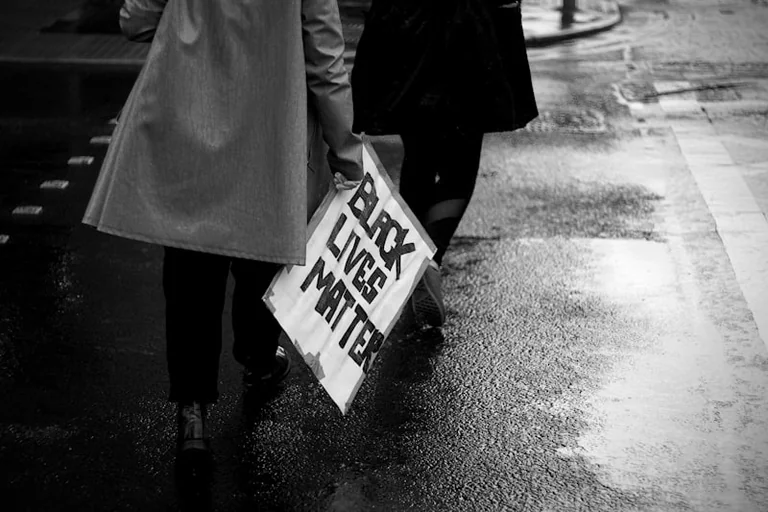
John Edward Taylor was among those who produced an account of what occurred. He later helped establish the Manchester Guardian in 1821. Peterloo should not be reduced to the origin story of one newspaper, but the connection reflects Manchester’s growing awareness that independent reporting could challenge powerful institutions.
Radical printers and publishers kept the story in circulation despite legal and financial pressure. Reports, illustrations and commemorative writing preserved individual experiences while widening the argument: if public meetings could be suppressed, the ability to report that suppression became another contested political right.
Repression came first and reform took generations
Peterloo did not immediately create a more democratic system. The government supported restrictive measures known collectively as the Six Acts, passed later in 1819. They tightened controls affecting large political meetings and the radical press, revealing how strongly ministers prioritised order over reform.
Manchester gained parliamentary representation through the Reform Act of 1832, but that measure still left most working people and all women without the vote. Later reform acts in 1867 and 1884 expanded male voting rights, although they did not establish complete political equality.
Further changes came in the 20th century. The Representation of the People Act 1918 enfranchised many more men and some women, while equal parliamentary voting terms for women and men arrived in 1928. Even these milestones formed part of a longer process involving later reforms to registration, constituency boundaries and electoral practice.
Peterloo belongs within that extended history rather than at the end of it. Its influence was cultural and political: it supplied later campaigners with evidence of exclusion, a warning about state power and a symbol around which demands for reform could be organised.
The event also helped define a recurring democratic question. Public assembly matters because citizens who lack institutional power need ways to demonstrate collective opinion. Press freedom matters because gatherings, official decisions and the use of force must be open to independent scrutiny.
Manchester continues to remember Peterloo
The landscape around the former St Peter’s Field has changed substantially, but Peterloo remains embedded in central Manchester’s civic identity. Plaques, historical interpretation, exhibitions and anniversary events connect the modern city with the reform meeting and those who attended it.
A public memorial designed by artist Jeremy Deller was unveiled near the former site during the 2019 bicentenary. Its presence gives Peterloo a permanent place in the city rather than confining remembrance to archives or annual ceremonies.
Commemoration is not simply a declaration that later democracy fulfilled every demand made in 1819. It preserves the harder distinction between memory and progress: the crowd was dispersed, repression followed, and meaningful electoral change required sustained campaigning over many decades.
That is why the anniversary still carries weight. Peterloo joins a specific Manchester place and date to questions that remain recognisable—who may gather, whose political voice counts, how authorities respond to dissent and how witnesses ensure that an event cannot be quietly forgotten.
Source: UK Parliament
Context & actions About this article
Source check Historical context
This account distinguishes the immediate repression after Peterloo from the much longer development of voting rights.
- Meeting date and location checked against the UK Parliament history of Peterloo.
- The account avoids using a disputed casualty total.
- Later reform milestones are presented as a gradual process rather than a direct result of...
- Source
- UK Parliament
- Scope
- Manchester
- Updated
- 2026-08-16 08:53
Source check
Report a trust issue
Send a clear signal to community moderation if the source, facts or context need review.

Comments