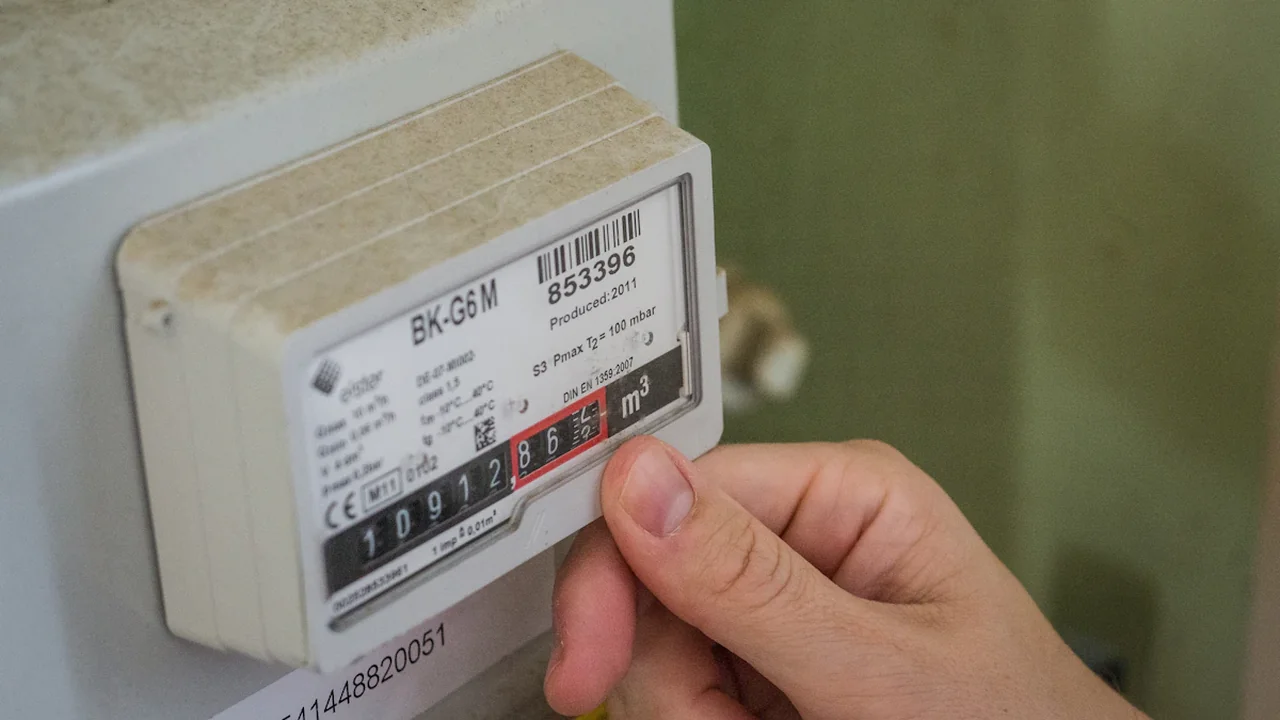
The energy price-cap period beginning 1 October could change the rates paid by households on default tariffs in England, Scotland and Wales. Before changing a direct debit, check your supplier’s tariff notice, submit a recent meter reading and review your account balance and projected annual consumption.
The price cap limits rates, not your total bill
Ofgem’s energy price cap restricts the unit rates and standing charges suppliers can apply to customers covered by default tariffs. It does not set a maximum amount that every household will pay.
Your actual bill still depends on how much gas and electricity you use, where you live, your meter type and how you pay. A household using more energy than the typical-consumption assumption can pay more than Ofgem’s headline illustration.
Ofgem publishes the applicable figures for each quarterly period on its live energy price-cap page. Check the current period against the period beginning 1 October, using the rates for your region, fuel, meter and payment method. The typical-household figure is an illustration, not a guaranteed annual bill.
Default tariffs are affected, but fixed deals may not be
The cap generally protects households on standard variable or other default tariffs. It should not be described as applying automatically to every fixed tariff: customers on fixed deals usually continue paying the rates specified in their contract until that deal ends, unless its terms say otherwise.
Your supplier’s notice or latest bill should identify the tariff name, tariff type, payment method, unit rates and standing charges. Compare those details with the relevant Ofgem figures rather than relying only on a national headline.
Four checks before changing your direct debit
- Confirm your tariff status: Find out whether you are on a default variable tariff or a fixed deal.
- Submit meter readings: Accurate readings reduce the risk of payments being based on estimated use.
- Review the account balance: Credit may reflect lower summer consumption, while debt can push a payment upward.
- Check projected annual use: Compare the supplier’s forecast with recent bills and any household changes.
MoneyHelper’s guide to understanding an energy bill explains where to find tariff details, meter readings, usage and account calculations.
A direct debit normally spreads estimated annual costs across monthly payments, so it may not move by exactly the same percentage as the headline cap. Contact the supplier before reducing or cancelling it, especially if the account is in debit or the usage estimate appears wrong. If payment is becoming difficult, ask what support and repayment options are available.
Source: Ofgem
Context & actions About this article
Source check Sources and checks
The explanation uses Ofgem’s live price-cap guidance and MoneyHelper’s guidance on reading household energy bills.
- Confirm the tariff type shown by the supplier.
- Match rates to the correct region, meter and payment method.
- Treat Ofgem’s typical-household figure as an illustration.
- Check readings, account balance and projected annual consumption.
- Source
- Ofgem energy price cap
- Scope
- Great Britain
- Updated
- 2026-09-09 17:31
Source check
Report a trust issue
Send a clear signal to community moderation if the source, facts or context need review.




Comments