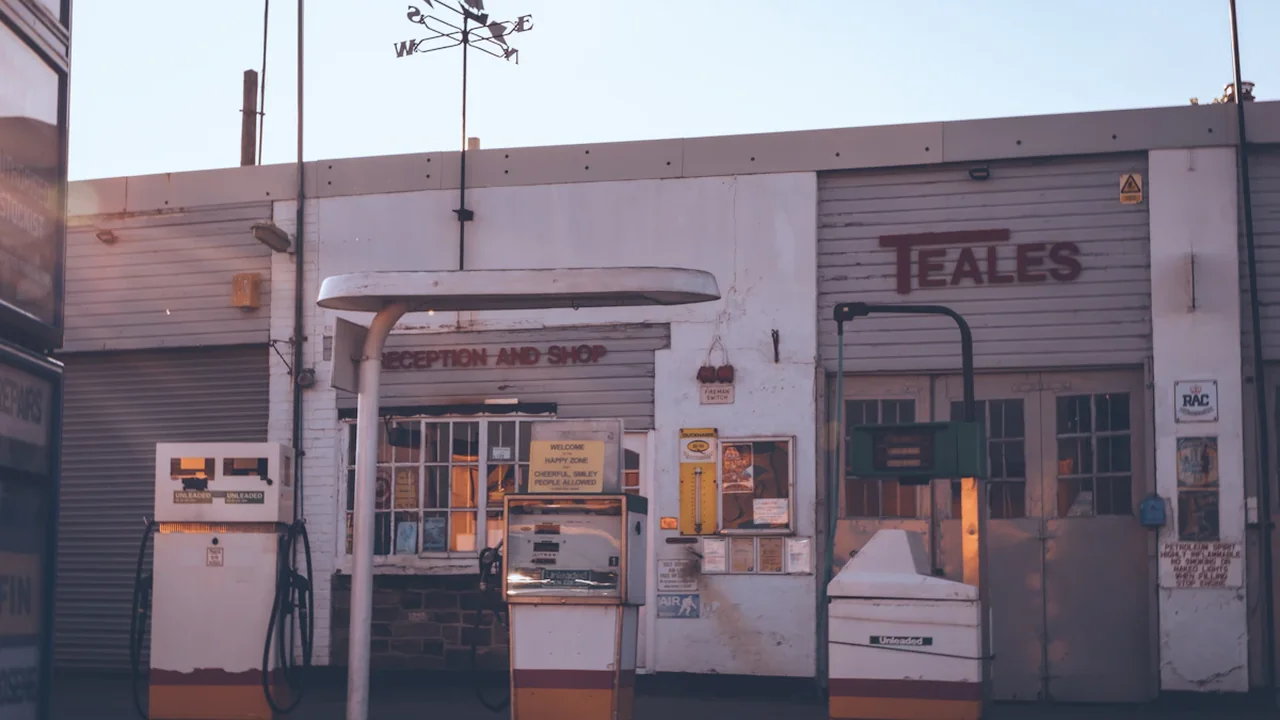
Before an autumn drive, compare nearby forecourts using the price for the fuel your vehicle needs, then weigh any saving against the extra distance and fuel used to reach it. Prices can change, so check a current listing and confirm the pump display before filling up.
Compare nearby prices for the right fuel
Start with a fuel-price comparison service or station listings that show forecourt prices near your route. Check when each price was last updated if that information is available, and compare stations in the area where you will actually stop. A low price far off your route may not reduce the overall cost.
Make sure you compare the same fuel at each station. Petrol and diesel prices are different, and listings may show more than one grade of petrol. Match the listing to the fuel specified for your vehicle; your handbook or fuel-cap label can help if you are unsure.
Before setting off, shortlist a few practical options rather than treating a single listing as guaranteed. Prices may have changed since a listing was updated, and a forecourt can display a different price by the time you arrive. Check the sign or pump before you begin filling.
Check the sign and pump before you refuel
At the station, read the price board carefully and confirm the grade and fuel type. Do the same at the pump before lifting the nozzle. The displayed price should match the fuel you intend to buy; if it does not, stop and check with staff before filling.
This extra check matters when a price board shows several figures close together. A diesel price can be mistaken for a petrol price, or one petrol grade for another. Compare like with like, and use the pump display as the final check for the product you select.
Include the detour in the total cost
A cheaper litre price only helps if the trip to that forecourt does not use up the saving. Consider how far the station is from your route, whether the roads are slow or congested, and whether you would make the detour anyway for another stop.
A simple way to assess the choice is to compare the expected fuel cost for the fill-up with the fuel used to reach the station and return to your route. The result depends on the car’s fuel economy, the length of the detour and the amount you plan to buy. Without current local prices and route distances, there is no reliable worked comparison to give here.
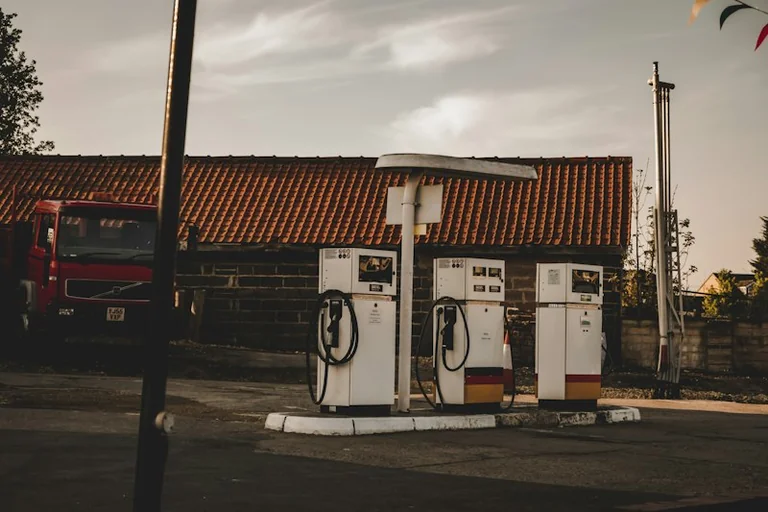
For a quick decision, ask yourself:
- Is the cheaper forecourt close to the route, or does reaching it require a substantial detour?
- Will traffic, roadworks or a slow route increase the fuel used on the way there?
- Are you buying enough fuel for the price difference to outweigh the extra journey?
- Is there a convenient station on the route with a price close to the lowest listing?
If the difference is small, convenience and the detour may matter more than the price shown per litre. If the station is already on your route, a lower current price may be easier to take advantage of.
Use local listings as a guide, not a guarantee
Online listings can help identify stations to check, but their usefulness depends on how recently prices were submitted or updated. Look for a timestamp where available. A listing without a clear update time is harder to compare with a price seen at the forecourt.
Treat the result as a shortlist, then confirm the actual price on arrival. Avoid relying on an old screenshot or assuming that a station remains the cheapest based on a previous visit. Local prices can change, and the lowest listed price may not be available for the fuel grade your vehicle needs.
What the CMA says about road fuel markets
The Competition and Markets Authority (CMA) is the UK authority responsible for promoting competition and protecting consumers. It has published a study of the UK road fuel market and monitors issues including price transparency. That provides useful market context, but it does not establish which station near you has the lowest price today.
For a current refuelling decision, use recent local prices, check that each figure is for the same fuel, and confirm the pump display. The next useful check is the station’s price and its update time on the day you plan to drive.
Source: UK Government
Context & actions About this article
Source check How to compare
This guide explains how to compare current local prices, check fuel type and account for the cost of a detour.
- Compare the same fuel type and grade
- Check when a listed price was updated
- Confirm the price at the station pump
- Consider the distance and fuel used for a detour
- Source
- Competition and Markets Authority
- Scope
- United Kingdom
- Updated
- 2026-10-25 09:55
Source check
Report a trust issue
Send a clear signal to community moderation if the source, facts or context need review.


Comments