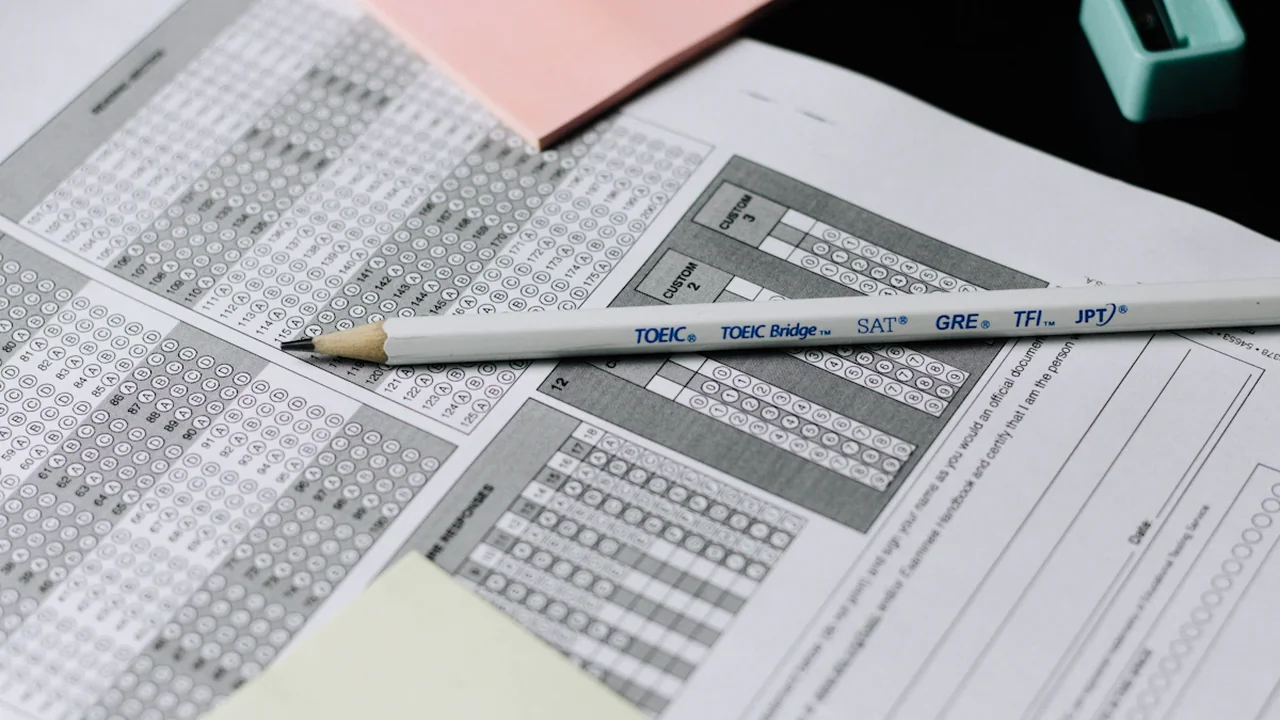
GCSE results are due on Thursday 20 August 2026 for candidates in England, Wales and Northern Ireland. Before results day, confirm how grades will be released, prepare any identification your school requires and keep your intended college, sixth form or training provider’s contact details nearby.
By AtheneNet Education Desk | Published 18 August 2026
Prepare these details before Thursday morning
Schools and exam centres may distribute results in person, through an online portal or by another stated method. Check the latest email, letter or website notice from your centre rather than assuming arrangements will match previous years.
Before results day:
- Confirm the collection time, location or online login procedure.
- Test any portal password and recovery email in advance.
- Bring photo identification or another document if your centre requests it.
- Save the admissions number and email address for your intended destination.
- Have your candidate number and offer conditions available.
- Decide which parent, carer, teacher or adviser you can contact for support.
The Joint Council for Qualifications publishes official key dates used by its member awarding organisations. Your school or exam centre remains the first place to check for local collection arrangements.
What to do after opening your results
If your grades meet the offer
Follow the destination institution’s instructions for confirming your place. Do not assume the process is automatic: check for an email, portal task or enrolment deadline from the college, sixth form or training provider.
If your grades exceed the offer
You can accept the planned route, but you may also ask whether different courses or subject combinations are available. Speak to school staff before leaving and contact the institution directly before giving up an existing place.
If your grades fall short
Stay at the school or exam centre long enough to discuss the result with staff. Contact the destination institution promptly because it may still consider your application, suggest another course or explain alternative entry routes.
Ask your centre about reviews of marking, access to scripts and any later appeal process. These procedures have deadlines and may involve fees. Marks and grades can remain unchanged, rise or fall, so a review is not a guaranteed route to a higher grade.
The National Careers Service also provides official guidance on education, training and career options after exam results.
Rules and alternatives differ across the UK
GCSE candidates in England, Wales and Northern Ireland should use guidance for the country where they studied. Qualification structures, grading arrangements, resit availability and post-16 routes are not identical.
Ask your school, awarding organisation and intended provider for country-specific advice before choosing a resit or alternative course. Scotland follows a separate National Qualifications system and results timetable, so this 20 August GCSE date does not apply to Scottish National Qualifications.
Keep copies of your results and any admissions correspondence. The most useful next check is the deadline given by your school, awarding organisation or destination institution for the action you are considering.
Source: Joint Council for Qualifications
Context & actions About this article
Source check Official guidance
This guide uses the official JCQ key-date source and National Careers Service guidance for exam-result support.
- Checked the official JCQ examinations key-dates page.
- Linked to National Careers Service exam-results guidance.
- Separated GCSE arrangements from Scotland’s National Qualifications system.
- Source
- Joint Council for Qualifications
- Scope
- England, Wales and Northern Ireland
- Updated
- 2026-08-18 16:21
Source check
Report a trust issue
Send a clear signal to community moderation if the source, facts or context need review.


Comments