By the AtheneNet Travel Desk · Updated 31 August 2026
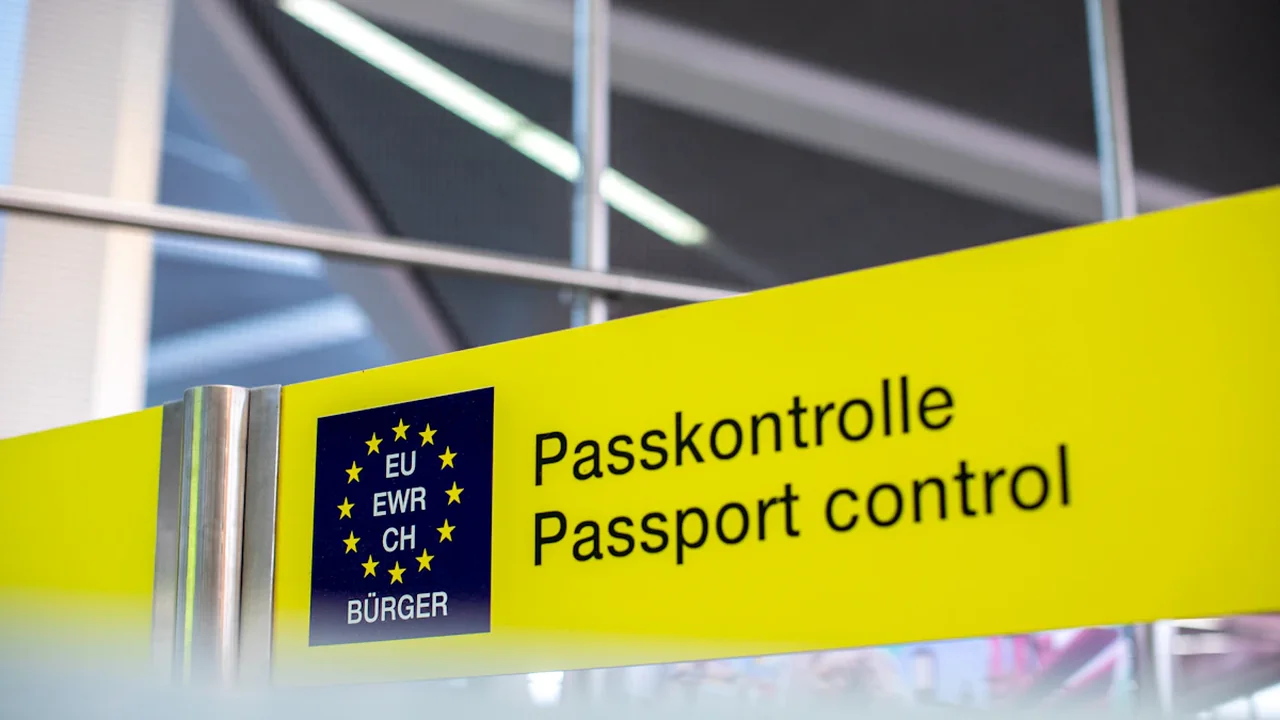
UK passport holders travelling to participating European countries this autumn may face a different border process under the European Entry/Exit System (EES). First-time registration can add time at ports, airports and rail terminals, so travellers should check passport rules and route-specific instructions before departure.
Which British travellers are covered by EES
EES applies at participating countries’ external borders to non-EU nationals entering for a short stay. This generally includes British citizens visiting for holidays, business trips or family visits rather than living in the destination under a qualifying residence status.
The system records travel-document details, entry and exit information, and biometric data such as a facial image and fingerprints. It also helps border authorities calculate time spent within the permitted short-stay period.
EES does not apply uniformly to every EU destination or journey. Coverage depends on the country, border and traveller’s status, so check the official guidance for each part of an itinerary.
What happens during the border process
At first enrolment, travellers may need to provide passport information, a facial image and fingerprints. Registration may use a kiosk, an app-supported process where available, or checks conducted by a border officer. Children and some other travellers may not be required to provide fingerprints.
Later crossings should generally use the stored record, although identity checks and updated biometric collection may still be required. Allow extra time, particularly on a first EES journey, but do not rely on unofficial queue-time predictions.
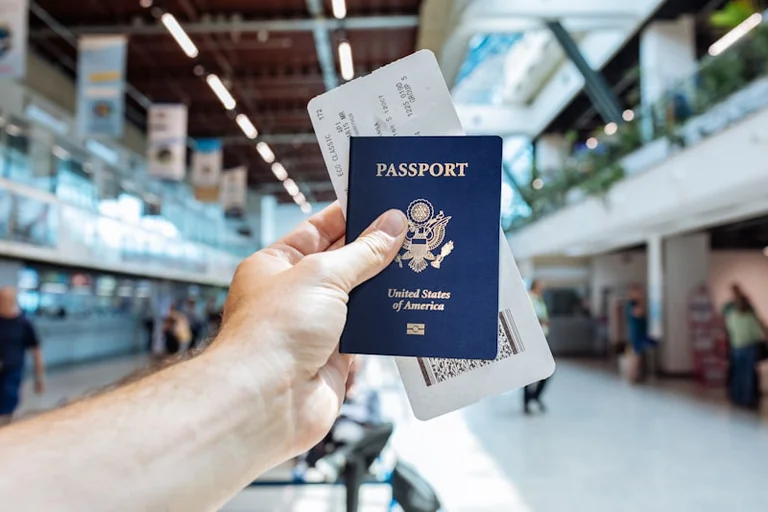
Follow instructions from the airline, ferry company, rail operator, airport or port. Procedures can differ between air, rail, ferry and road routes.
EES and ETIAS are separate systems
EES is a border-registration system. ETIAS is a separate travel authorisation that eligible visa-exempt travellers will need only when that scheme applies to their journey. Completing an EES registration does not provide ETIAS authorisation, and an ETIAS authorisation does not replace EES border checks.
Travellers should use the official EU pages to confirm the operating status and requirements of each system rather than treating the names as interchangeable.
Check your passport and exemption status before travel
Before leaving the UK:
- Confirm that every destination and transit country accepts your passport on the planned dates.
- Check both the passport’s issue date and its remaining validity; requirements can vary by destination.
- Review whether a residence permit, long-stay visa, Withdrawal Agreement document or qualifying European nationality changes your EES status.
- Carry the document supporting any exemption and use the passport linked to that status where official guidance requires it.
- Read current instructions from your carrier and departure terminal.
The EU EES portal explains participating borders, data collection and exemptions. GOV.UK guidance provides advice specifically for British citizens. Check both again shortly before travel because operational arrangements can change.
Source: European Union
Context & actions About this article
Source check Official travel guidance
This guide uses official European Union and UK government information on EES coverage, border registration and exemptions.
- Confirmed which short-stay travellers are generally covered
- Checked the travel-document and biometric information recorded
- Distinguished EES registration from ETIAS authorisation
- Included route-specific and exemption checks
- Source
- European Union EES portal
- Scope
- United Kingdom and participating European countries
- Updated
- 2026-08-31 18:23
Source check
Report a trust issue
Send a clear signal to community moderation if the source, facts or context need review.


Comments