By AtheneNet Travel Desk | Updated 30 August 2026
UK passport holders planning an autumn trip to participating European countries may encounter two separate systems: EES is a border-registration process, while ETIAS will require eligible travellers to obtain authorisation before departure once it is operational. Check the official EU pages before travelling because rollout details, countries, exemptions, fees and launch dates can change.
EES happens at the border; ETIAS happens before travel
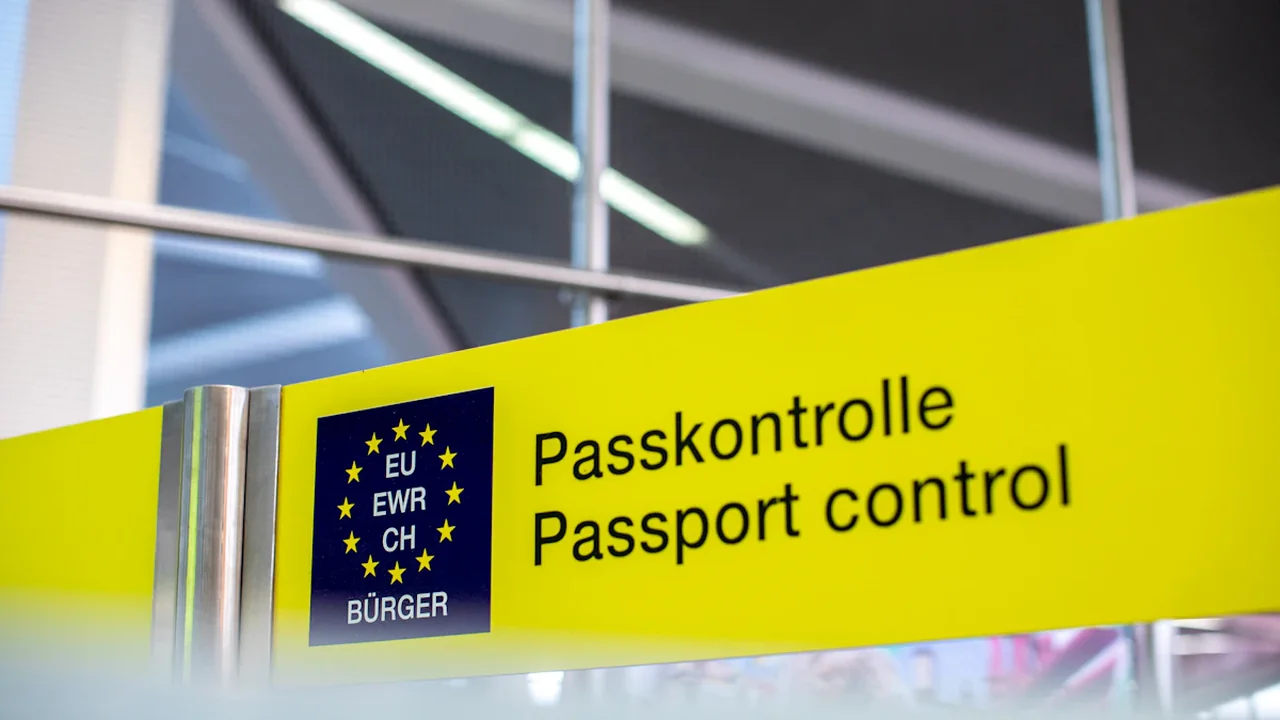
The Entry/Exit System (EES) is designed to register non-EU nationals making short stays when they cross an external border of a participating country. Travellers do not submit an EES application before their journey.
At passport control, the system may record:

- Passport or travel-document information
- The date and place of entry or exit
- A facial image and, where required, fingerprints
- Refusal-of-entry information, if applicable
The European Travel Information and Authorisation System (ETIAS) is separate. When operational, it will require affected travellers to apply before departure using passport and personal information. Applicants may also need to answer eligibility and security questions.
Do not assume ETIAS is operating or rely on a date quoted by a travel blog. The official ETIAS page provides its current status, launch information, applicable countries, exemptions, fee rules and application guidance.
The order UK travellers should follow
- Check every destination and transit country against the official EU country lists.
- Read the latest EES guidance to see whether border registration applies to the journey.
- Check the ETIAS page shortly before travel. Apply only if the EU confirms that the system is operational and the traveller is covered.
- Use the same passport for any required authorisation, transport booking and border crossing.
- At arrival and departure controls, follow instructions for passport scanning, a facial image or fingerprints.
Families should allow extra time at passport control
Each family member may need to be processed individually. Children can require help using unfamiliar kiosks, while biometric requirements or exemptions may vary by age and circumstances.

Keep every traveller’s passport accessible and allow additional time for queues, instructions and repeat scans. Families using more than one transport connection should also check where the first participating external border crossing occurs.
Avoid unofficial ETIAS application websites
Be cautious of websites offering early registration, guaranteed approval or priority processing. An intermediary may add unnecessary service charges and cannot override official decisions.
Before entering passport or payment details, start from the EU’s ETIAS page and confirm the official application channel, current fee and exemptions. If the official page says applications are not yet open, do not pay another website to submit or reserve one.
Source: European Union
Context & actions About this article
Source check Official EU travel guidance
This guide distinguishes the two systems using European Union information and directs travellers to the live official pages for current requirements.
- Confirm the current EES rollout position and participating countries.
- Check whether ETIAS is operational before attempting an application.
- Verify exemptions and biometric requirements for every traveller.
- Confirm fees and application channels on the official EU website.
- Source
- European Union EES guidance
- Scope
- Europe
- Updated
- 2026-08-30 14:51
Source check
Report a trust issue
Send a clear signal to community moderation if the source, facts or context need review.



Comments