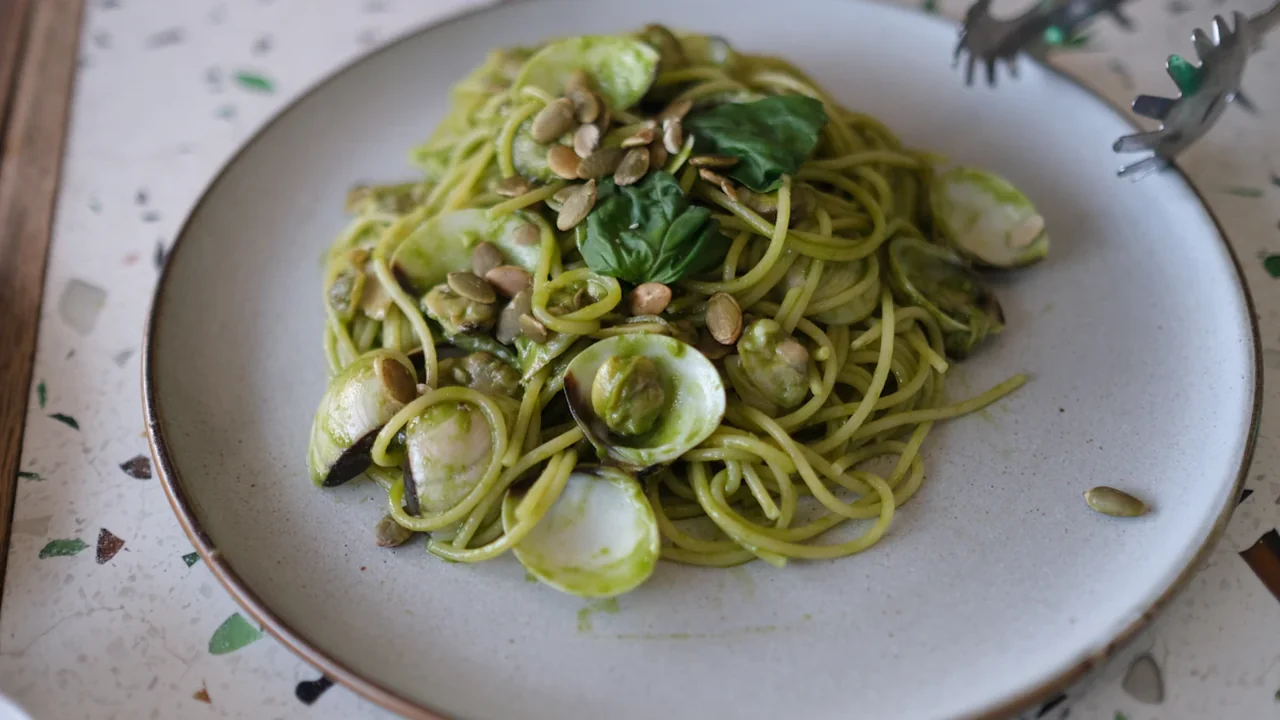
When the summer garden produces more courgettes than you can possibly eat, this quick pasta recipe is the ideal solution. The secret to avoiding the common pitfall of soggy, steamed vegetables lies in precise heat management and the strategic use of pasta water. By following a few simple techniques, you can transform a surplus of seasonal produce into a vibrant, restaurant-quality midweek meal.
The Essentials: Avoiding the Soggy Trap
The biggest mistake when cooking courgettes is overcrowding the pan. When too many slices are added at once, the pan temperature drops, causing the vegetables to release water and stew in their own juices. To achieve a vibrant, slightly browned texture, use the largest frying pan you own to ensure the courgettes have enough space to sear rather than steam.
Get the pan very hot before adding the courgettes. By keeping the layer thin and the heat high, you sear the exterior of the vegetable quickly. This preserves the structural integrity of the courgette, ensuring it adds texture to your dish rather than becoming a watery mush. If you are using grated courgette, ensure it is spread out in a single layer to allow moisture to evaporate rapidly.
Perfecting the Pasta Emulsion
The magic of this dish happens at the very end of the cooking process. The secret is the starchy water left behind after boiling your pasta. By reserving a cup of this cloudy liquid before draining, you create the base for a silky, light sauce. When you toss the cooked pasta with your sautéed vegetables and this liquid, the starch binds with the lemon juice and hard cheese to coat every strand of pasta perfectly, creating a cohesive dish rather than dry noodles with separate vegetables.
Ingredients
- 400g spaghetti or linguine (wholewheat is a suitable alternative for added fiber)
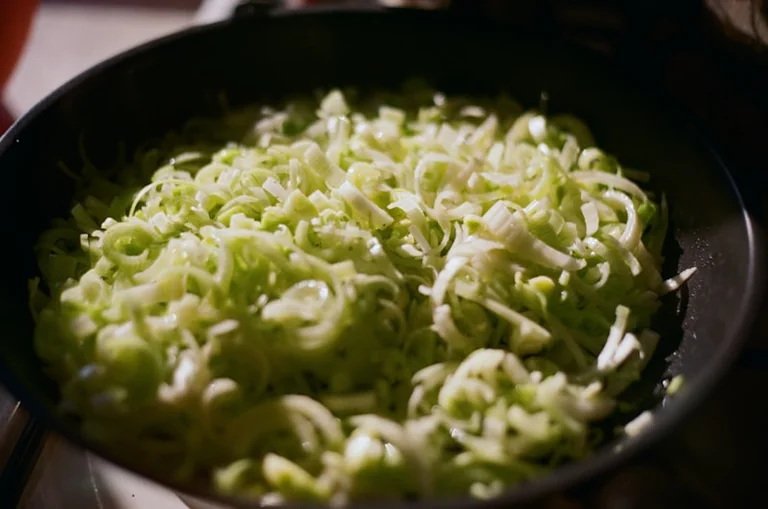
- 3 medium courgettes, grated or sliced into thin ribbons
- 200g peas (fresh or frozen; if frozen, add directly to the pan)
- 2 cloves garlic, finely sliced
- 1 lemon (zest and juice)
- 50g hard cheese (like Pecorino or Parmesan), finely grated
- 3 tbsp extra virgin olive oil
- Fresh mint or basil (optional)
- Salt and black pepper to taste
Timed Method
- Boil the Pasta: Bring a large pot of salted water to a boil. Add the pasta and cook according to package instructions until al dente.
- Sear the Vegetables: While the pasta boils, heat the olive oil in your largest pan over medium-high heat. Add the courgettes and cook for 4-5 minutes, tossing frequently until golden. Add the garlic and peas in the final 2 minutes to ensure they remain bright and tender.
- Emulsify: Just before draining the pasta, scoop out 200ml of the cloudy pasta water. Add the drained pasta directly into the vegetable pan.
- Finish: Pour in half the pasta water, the lemon juice, and the cheese. Toss vigorously over medium heat. The liquid will turn creamy as the starch and cheese emulsify. Add more pasta water if the sauce looks dry or needs more gloss.
- Serve: Remove from heat, stir in the lemon zest and fresh herbs, and serve immediately while the emulsion is at its peak consistency.
Protein Additions and Dietary Swaps
If you need a protein boost, add pre-cooked prawns or toasted pine nuts during the final minute of tossing. These additions provide texture and satiety without obscuring the delicate flavour of the seasonal vegetables.
For a dairy-free alternative, replace the hard cheese with a tablespoon of nutritional yeast and a final drizzle of high-quality extra virgin olive oil to maintain the richness of the emulsion. If you are using wholewheat pasta, note that it may absorb slightly more liquid, so keep an extra splash of pasta water on hand to ensure the final dish remains silky rather than sticky.
Source: Editorial research
Context & actions About this article
Source check Culinary Technique
This recipe utilizes starch-emulsification and high-heat searing to ensure texture and flavor balance.
- Always reserve pasta water before draining
- Use a large surface area for searing vegetables
- Scope
- International
- Updated
- 2026-08-23 12:05
Source check
Report a trust issue
Send a clear signal to community moderation if the source, facts or context need review.



Comments