
A damp patch does not tell you its cause on its own. Before paying for repairs, note where the moisture appears, when it worsens and whether water is still arriving. A mark around a window may point towards condensation; a patch that grows after rain or while plumbing is in use needs a closer look. If you rent, report the problem to your landlord promptly and keep a copy.
By AtheneNet Home Desk
Where is the moisture appearing?
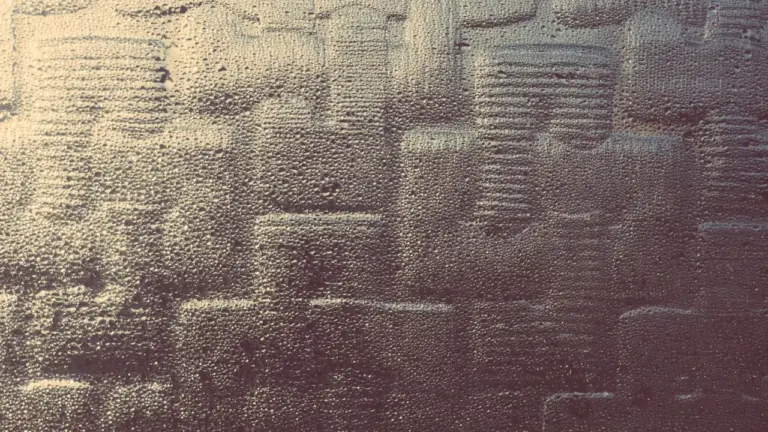
Condensation often shows up as droplets on cold windows, mirrors or other cool surfaces. You may also notice moisture or mould in corners, behind furniture or where air does not circulate well. It can be more noticeable after cooking, bathing or drying clothes indoors, especially in colder weather. Those clues are useful, but they do not rule out another source of moisture.
Penetrating damp means water is entering through part of the building, such as a roof, wall, window surround or guttering. A localised stain on an external wall or ceiling may raise that possibility, particularly if it becomes wetter after rain. The visible mark may be some distance from where water entered, so the position of a stain cannot confirm the cause.
A plumbing leak may leave a patch below a bathroom, around a pipe, behind a fixture or beneath a sink. Moisture that appears or grows when a shower, tap or heating system is used is a reason to investigate. Concealed pipes can leak without an obvious drip, and water can travel before it becomes visible.
More than one problem can occur in the same room. For example, a cold wall may collect condensation while a separate leak wets the ceiling. Treat these patterns as observations to share with a professional, rather than a diagnosis.
When does the patch get worse?
Check the area at different times without opening walls or taking fittings apart. Note whether droplets appear mainly in the morning, whether a stain changes after heavy rain, and whether it grows when nearby plumbing is used. If you can safely see an exposed pipe or the underside of a sink, look for fresh drips there.

Make a brief dated record. Include the room, the exact position of the mark, the weather, any recent cooking or bathing, and whether taps, showers or heating were running. A stain that stays visible after the surface dries is still worth recording; paint and plaster can retain marks after the original wetting has stopped.
The UK government’s guidance on the health risks of damp and mould stresses the need to identify and address underlying moisture problems. Ventilation may help reduce condensation, but it will not repair a leaking pipe or stop rainwater entering a building.
What should you photograph before seeking help?
Take one wide photograph showing where the affected area sits in the room, then a closer photograph of the stain, droplets or mould. Repeat the pictures from roughly the same position if the area changes. Keep the original dates on the images where possible.
Write down the first date you noticed the problem, any water dripping or pooling, a musty smell, damaged belongings, and any steps you have already taken. If the mark grows after rain or plumbing use, record the date and what happened. These details can help a landlord, plumber or surveyor decide what to inspect.
Do not peel back wallpaper, lift flooring or break into a wall just to collect evidence. Photograph visible damage and explain what you cannot access. If you rent, send your report and photographs through a channel that leaves a written record, and keep copies of replies and repair visits.
What can you do safely straight away?
If water is actively leaking, move belongings away from it if safe and use a container to catch drips. If you know which valve controls the affected supply and can reach it safely, turn it off. For an uncontrolled leak, use the main water shut-off valve if you know where it is and can operate it safely, then seek urgent help.

Keep away from wet sockets, switches, lights and appliances. Do not touch electrical equipment in a wet area; seek urgent professional advice. Avoid standing under a bulging ceiling, and keep others away from it. Contact your landlord or an appropriate emergency repair service promptly if water is spreading or the ceiling appears unsafe.
For moisture that appears to be condensation, use existing extractor fans when cooking or bathing, ventilate where it is safe to do so, and wipe water from accessible window surfaces. Leave some space around furniture against cold walls if practical. These measures may reduce surface moisture while the cause is assessed; they are not a substitute for repairing a leak or building defect.
Avoid painting over a damp patch before its cause has been checked. New paint can hide a developing problem without stopping the water.
When should a landlord or qualified professional inspect it?
Seek urgent help for an active leak you cannot contain, water near electrics, a sagging ceiling, or rapidly spreading damage. Tell your landlord immediately if you rent. If you own the home, contact an appropriate plumber or building professional; an emergency electrician may also be needed where electrics are affected.
Arrange an inspection when a patch returns, grows, follows rainfall, appears linked to plumbing use, or persists despite reasonable steps to manage condensation. A plumber can investigate suspected pipework; roof, wall or window defects may need a suitably qualified building professional. Ask what they found, what work they propose and whether the moisture source has been addressed before paying for cosmetic repairs.
Shelter England’s advice on damp and mould in rented homes explains how tenants can report problems and keep records. Repair duties and routes for further help vary across the UK, so use advice for your nation and tenancy. Tell the landlord about the symptoms and their timing even if you are unsure whether the cause is condensation, rainwater or plumbing.
Your next check is simple: look again after the next relevant event, such as a shower or rainfall, and add the result to your dated record. If water keeps appearing, arrange for its source to be assessed before paying to cover the stain.
Source: Editorial research
Context & actions About this article
Source check How to use this guide
The checks help you document moisture patterns; an inspection may still be needed to establish the cause.
- Record where and when moisture appears.
- Photograph changes after rain or plumbing use.
- Seek urgent help for uncontrolled water, wet electrics or a sagging ceiling.
- Source
- UK government damp and mould guidance
- Scope
- United Kingdom
- Updated
- 2026-10-05 09:56
Source check
Report a trust issue
Send a clear signal to community moderation if the source, facts or context need review.



Comments