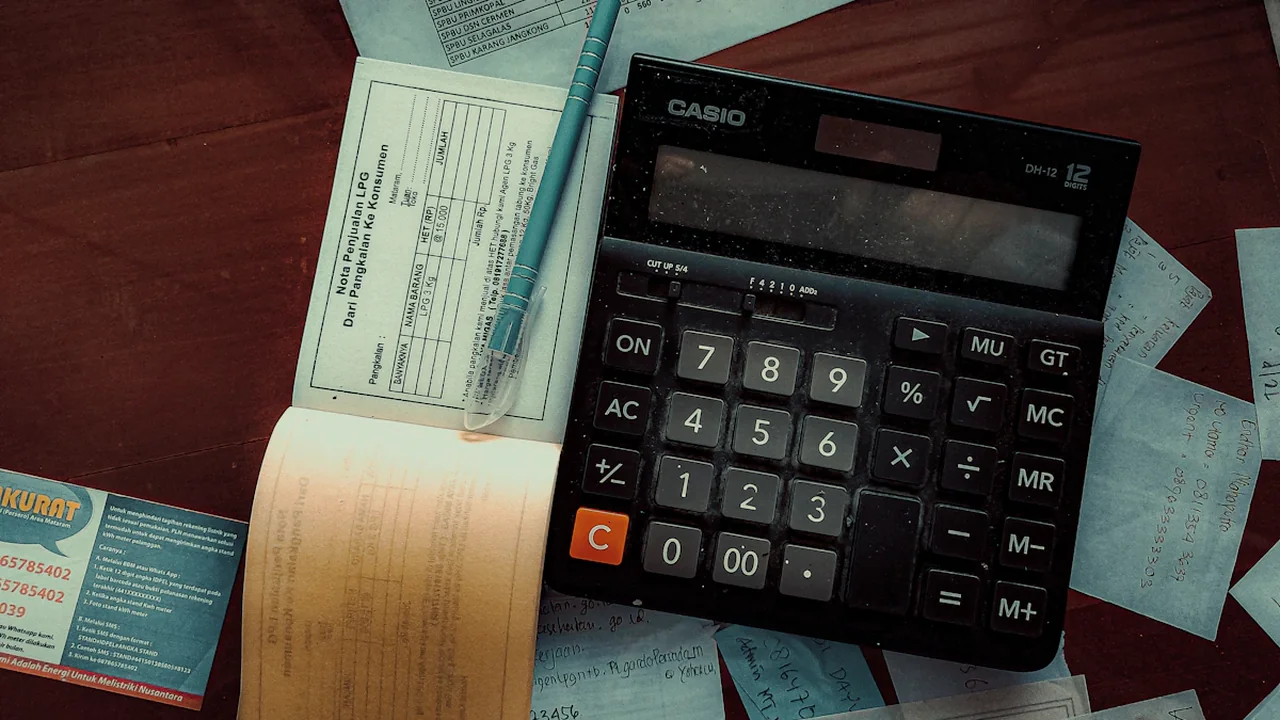
A household budget can still work when energy, travel and food costs vary from month to month. Start with the money that actually reaches your account, map bills to their payment dates, and give changing costs realistic limits you can review after payday.
Start with take-home income and payment dates
Write down the income your household expects to receive each month after tax and other deductions. If pay varies, use a cautious figure based on what you can reasonably expect rather than relying on an unusually high month. Note when each payment arrives, too: the timing matters if bills leave your account before payday.
List essential direct debits and other regular commitments with their amounts and dates. Include rent or mortgage payments, council tax, energy, water, broadband, insurance, childcare, loan repayments and minimum credit-card payments where applicable. Check your bank account or statements so the list reflects what is actually being charged.
Compare the dates of income and payments. If several large bills leave your account in the first few days of the month, a budget that balances on paper may still leave too little available beforehand. Ask providers whether they offer a different payment date or frequency, and check any fees or terms before changing an arrangement.
Separate fixed bills from changing costs
Fixed costs are regular commitments whose amounts are broadly predictable, such as rent, a monthly phone plan or a loan payment. Flexible costs change with use or circumstances. Common examples include groceries, transport, fuel, energy usage and household essentials.
Some costs arrive only once or a few times a year. Car insurance, road tax, school expenses, annual subscriptions, birthdays and seasonal heating can disrupt a monthly plan if they are treated as surprises. Estimate each cost and divide it by the number of months until it is due, then set that amount aside monthly if your cash flow allows.
For example, a £240 annual bill would mean setting aside £20 a month over 12 months. This is a planning example, not a recommended savings target. If the bill is due sooner, calculate the amount needed over the months remaining and check whether that fits alongside essential payments.
MoneyHelper’s Budget Planner can help organise income, regular costs and spending. Treat estimates as a starting point: use current bills and recent transactions to make the figures relevant to your household. For households checking whether they may qualify for energy bill support, reviewing current bills can also help clarify what assistance may be relevant.
Set a realistic limit for flexible spending
After accounting for income, essential bills and predictable annual costs, work out what remains for flexible spending and any savings you can manage. Set separate limits for categories that tend to move, such as food, travel and energy, rather than treating all remaining money as one pool.
Use recent spending as a guide. A limit that assumes an unrealistically low grocery or travel bill may look tidy but will be hard to maintain. If costs have risen, adjust the budget to reflect what you are paying now, then look for specific changes that are practical for your household.

A simple set of categories might include:
- Groceries and household supplies
- Public transport, fuel and other travel
- Energy use beyond the regular payment amount
- Clothing, school or care costs
- Personal spending and social activities
- Irregular expenses due in the next few months
Give each category a weekly or monthly limit that matches how you spend. If weekly tracking is easier for food or travel, divide the monthly amount into weekly portions while allowing for months that do not divide evenly into four weeks.
Review bank transactions after payday
After payday, check your bank transactions against the budget. Confirm that expected income arrived, direct debits were taken at the expected amounts, and any money set aside for annual bills remains available. Update the plan when a bill changes or a cost was higher than expected.
A short review once a month can reveal patterns: perhaps energy payments have changed, travel costs rise on office days, or a subscription is no longer used. Use the pattern to adjust next month’s figures. A budget is a working plan, so a change in one category may mean reducing another flexible category rather than assuming every estimate will stay the same.
If you use more than one account, include transfers between them carefully so you do not count the same money as income or spending twice. Keep the process simple enough to repeat; a bank app, spreadsheet or written list can all work.
If money is tight, protect essential commitments
If there is not enough money to cover everything, contact the organisations you owe as early as possible. Prioritise essentials such as rent or mortgage payments, council tax and energy or other utilities, and explain what you can afford. The consequences of missing payments differ by bill and circumstance, so ask the provider or a free debt adviser about your options before agreeing to a plan.
Do not ignore letters, bills or court documents. If you are already behind, or you cannot meet essential costs, free and confidential debt advice can help you understand next steps. MoneyHelper can explain ways to find debt advice, and Citizens Advice provides guidance on dealing with debts and priority bills. Advice services can help you review your situation without assuming that one budget or repayment approach suits everyone.
There is no single emergency-fund amount that works for every household. If you have money left after essentials, debt commitments and near-term costs, you can decide whether setting aside some of it is realistic for your circumstances. The immediate priority is to understand what is due, when it is due and which organisations you need to contact.
Source: Moneyhelper
Context & actions About this article
Source check Budgeting context
This guide uses a monthly planning approach and signposts MoneyHelper and Citizens Advice for further support.
- Compare the plan with recent bank transactions
- Check the amount and date of each bill
- Ask a free debt adviser about options if essential payments are at risk
- Source
- MoneyHelper Budget Planner
- Scope
- United Kingdom
- Updated
- 2026-10-29 10:06
Source check
Report a trust issue
Send a clear signal to community moderation if the source, facts or context need review.



Comments