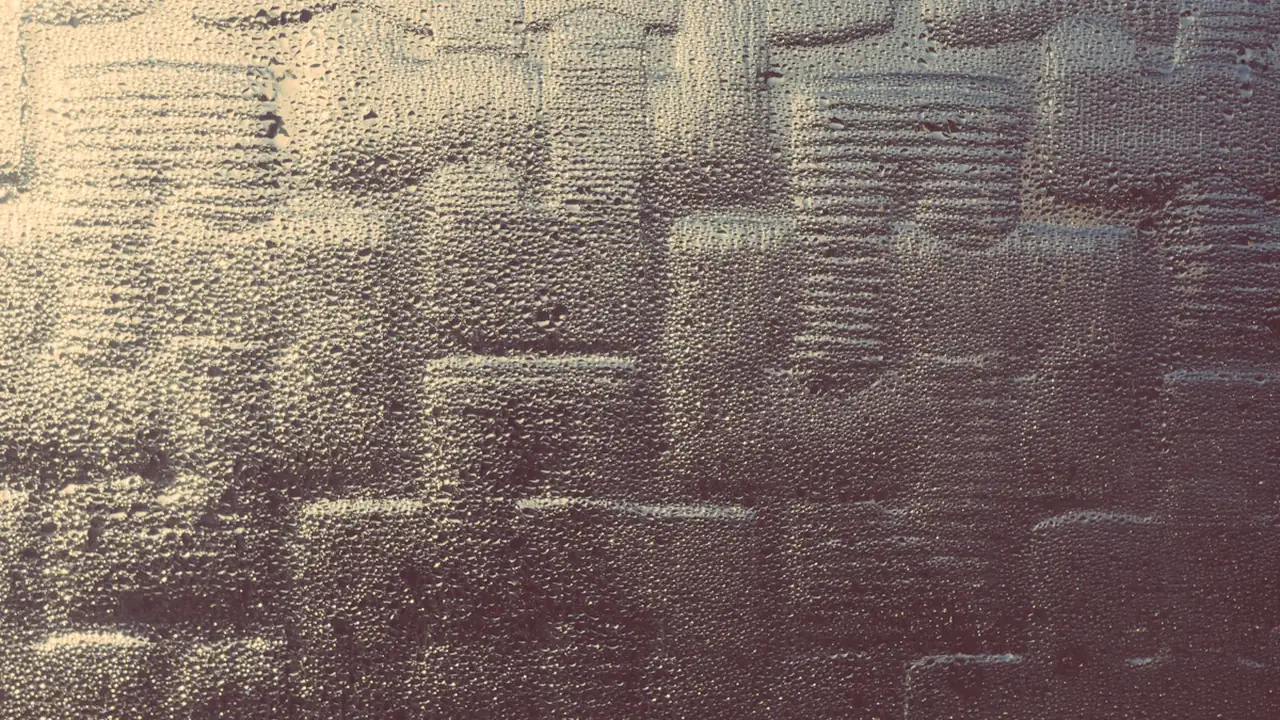
Moisture marks can look similar, but their location, timing and response to weather often provide useful clues. Condensation commonly appears on cold surfaces after cooking, showering or sleeping; penetrating damp may worsen after rain; rising moisture stays near ground level; and plumbing leaks are often isolated around pipes, appliances or bathrooms. These patterns can narrow the possibilities, but photographs alone cannot confirm the cause.
Check the pattern before treating the damage
Start by recording where and when moisture appears. Note recent weather, household activities and whether the patch changes after rain, heating, bathing or appliance use. A simple dated log is often more useful than judging one photograph.
Look for these broad patterns:
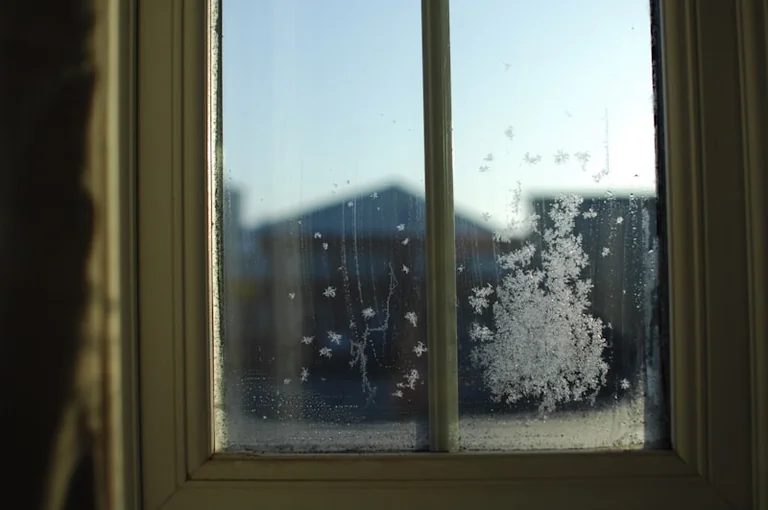
- Condensation: Water droplets, streaming windows or black mould on glazing seals, cold corners and external walls. It may be worse in winter, overnight or after showers and cooking.
- Penetrating damp: A localised patch on a wall or ceiling that becomes darker after wind-driven rain. Possible routes include damaged pointing, cracked render, defective seals, overflowing gutters or roof faults.
- Rising moisture: Persistent dampness concentrated near the bottom of a ground-floor wall, sometimes with flaking finishes, damaged skirting or powdery salt deposits. Several other faults can imitate this pattern, so specialist assessment may be needed.
- Plumbing leak: A distinct wet patch near a pipe, radiator, shower, toilet, bath, sink, boiler or appliance. It may expand even during dry weather or change when a particular fitting is used.
These clues overlap. A cold external wall can suffer condensation while also being affected by rain penetration, and a leaking pipe may remain hidden inside a wall or floor. A handheld moisture meter can help compare areas, but readings do not identify the source by themselves.
Condensation usually follows cold surfaces and indoor moisture
Condensation forms when moisture in indoor air reaches a sufficiently cold surface. It commonly collects at the bottom of windows, behind wardrobes, around poorly insulated corners and on external walls where air circulation is limited.
A room may smell musty or develop scattered black mould spots without feeling obviously wet. Bedrooms can be affected after people sleep with windows and vents closed. Kitchens and bathrooms may show problems after steam is allowed to spread through the home.
Safe first actions include:
- Use extractor fans during cooking and bathing, and leave them running for their recommended overrun period.
- Keep trickle vents open where fitted and use short periods of window ventilation when it is safe to do so.
- Close internal doors while producing steam to prevent moisture moving into colder rooms.
- Dry laundry outdoors or in a ventilated space where possible. If using a tumble dryer, ensure it is correctly vented or condensed according to its instructions.
- Maintain steady, reasonable background heating rather than allowing rooms to become repeatedly very cold.
- Leave a small gap between large furniture and cold external walls so air can circulate.
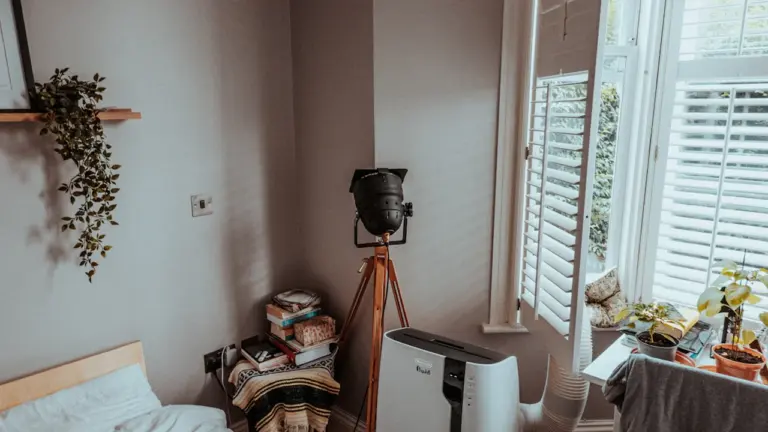
A dehumidifier can reduce airborne moisture and may help with drying, but it should not replace ventilation or repairs. If it fills rapidly for days, treat that as information: investigate why so much moisture is entering or remaining in the room.
Rain-linked patches suggest water entering from outside
Penetrating damp is more likely when staining appears on an external wall, around a chimney breast, below a roof junction or near a window and becomes worse after rain. Wind direction can matter because rain may reach only one elevation of the building.
From ground level, check for visible warning signs such as overflowing gutters, slipped roof materials, cracked render, failed sealant or damaged pointing. Do not climb onto roofs or use ladders in unsafe conditions. Roofs, chimneys and high-level drainage should be inspected by a suitably competent professional.
Allowing a wall to dry after a repair can take time. Redecorating too soon may trap moisture or hide evidence that the fault remains. Painting over mould or staining without addressing the source is unlikely to provide a durable solution.
Ground-level damp needs careful assessment
Moisture limited to the lower part of a ground-floor wall may raise concern about rising damp, especially where skirting, plaster or wallpaper is deteriorating. However, bridged damp-proof courses, high external ground levels, leaking drains, plumbing faults and condensation can produce similar symptoms.
Avoid assuming that every low-level mark requires chemical damp-proofing. An owner may need a qualified building surveyor who can consider the building’s age, materials, ventilation, drainage and external ground levels. Older solid-wall properties may require finishes and repair methods that allow moisture to evaporate appropriately.
Be cautious about relying on a diagnosis based only on surface meter readings or photographs. Ask for the observed evidence, alternative causes considered and the repairs proposed before agreeing to disruptive work.
Isolated wet patches may point to plumbing
A leak is more likely when a patch sits directly below a bathroom, beside a radiator, behind an appliance or close to visible pipework. Other clues include reduced boiler pressure, a continuously moving water meter when no water is being used, swollen flooring or moisture that worsens after a shower, toilet flush or washing cycle.
If water is actively spreading, stop using the suspected fitting. Turn off the relevant isolation valve or the main water supply if you can do so safely and know its location. Keep water away from electrical fittings and do not touch wet switches, sockets or appliances. Contact an emergency plumber or the appropriate property manager when immediate containment is needed.
A slow leak can still damage timber, plaster and insulation. Dry weather does not rule it out, and the visible patch may be some distance from the failed pipe because water can travel along building materials.
Remove mould without hiding the underlying cause
Small areas of surface mould may be cleaned using a product intended for that purpose, following its label and ventilation guidance. Wear appropriate gloves, avoid mixing cleaning products and keep children and pets away from the area. Do not dry-brush mould, as this can disturb spores.
Porous items that are extensively contaminated may be difficult to clean effectively. Repeated growth after cleaning suggests that moisture control or repair is incomplete. Decorative anti-mould coatings may delay visible regrowth, but they cannot correct a leak, rain penetration or persistently high humidity.
Extensive mould, recurring damp, structural deterioration or contamination after significant water damage warrants professional assessment. Anyone experiencing persistent wheezing, breathlessness or worsening respiratory symptoms should seek appropriate medical advice, particularly if symptoms appear linked to time spent in the property.
Tenants should create a clear dated record
Tenants should report damp, mould and suspected leaks promptly through the landlord’s or managing agent’s stated repair channel. Include:
- Dated photographs showing both close-up damage and its position in the room
- Dates, weather conditions and activities associated with the moisture
- Details of damaged belongings or unusable rooms
- Any relevant extractor fan, heating, gutter, plumbing or window faults
- Copies of messages, repair reports and appointment records
Continue taking reasonable steps such as ventilating and heating the home where safe and affordable, but do not attempt structural, roofing, electrical or concealed plumbing repairs. For urgent leaks, follow the tenancy’s emergency reporting procedure. If the response is delayed or the problem persists, tenants can seek guidance from their local council’s housing or environmental health service or an independent housing adviser.
Know when to call a surveyor, plumber or health professional
Call a plumber for active water escape, pressure loss or moisture associated with pipework and fittings. Consider a qualified building surveyor when the source remains unclear, several moisture mechanisms may be involved, or substantial building work is proposed.
Seek specialist help promptly if water is near electrical equipment, ceilings are bulging, plaster is falling, timbers appear decayed or mould covers a large area. Respiratory symptoms require medical advice rather than a building diagnosis alone.
The most useful next check is whether the mark tracks indoor humidity, rainfall, ground level or water use. Record that relationship before redecorating, then address the moisture source and allow the materials to dry.
Source: Editorial research
Context & actions About this article
Source check How to use this guide
This guide compares location, timing, weather and water-use patterns to help householders decide on safe next steps.
- Record when the moisture appears and whether it follows rain or water use.
- Compare affected surfaces with colder corners, windows and external walls.
- Check visible plumbing, ventilation and exterior defects without taking unsafe access risk...
- Use a qualified professional when the cause remains uncertain or damage is extensive.
- Scope
- United Kingdom
- Updated
- 2026-09-08 18:39
Source check
Report a trust issue
Send a clear signal to community moderation if the source, facts or context need review.



Comments