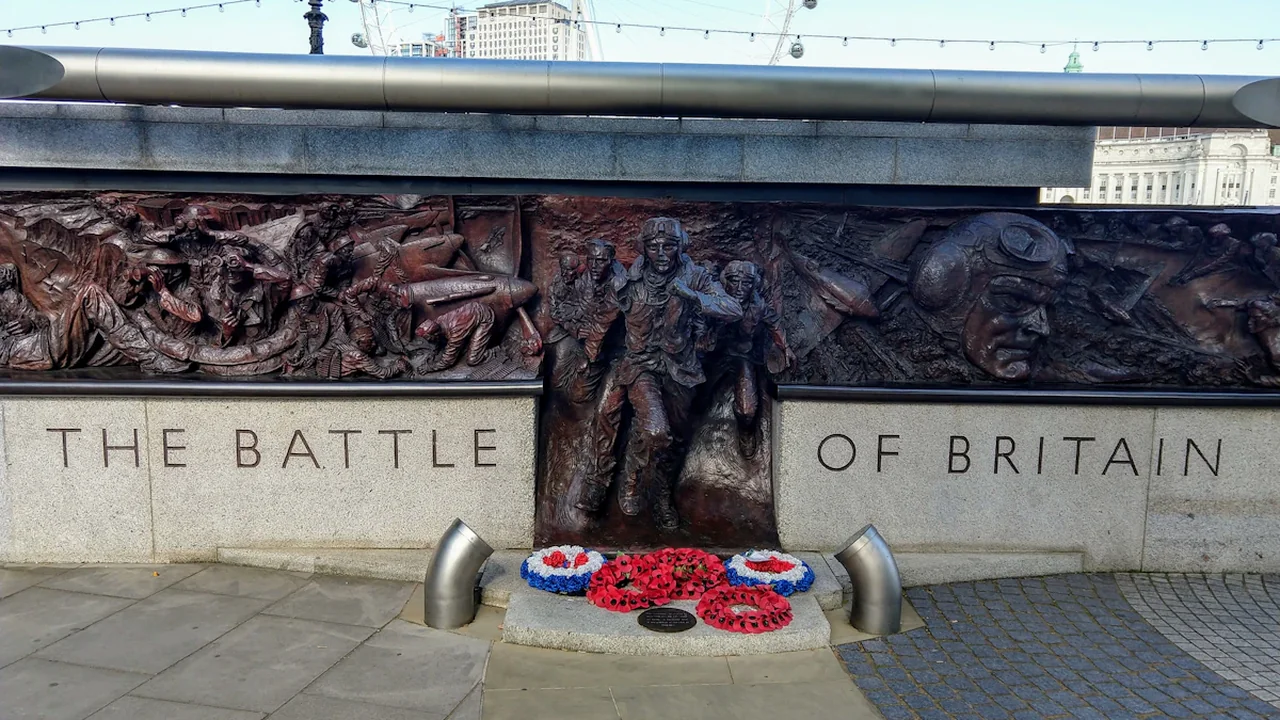
Battle of Britain Day, marked each year on 15 September, remembers the air battle fought over Britain in 1940 and the people whose lives were shaped by it. It remains a national commemoration, but its meaning is often most tangible near former airfields, in museum collections and in family records across the UK.
The Battle of Britain was a decisive phase of the Second World War, fought primarily between the Royal Air Force and the German Luftwaffe. RAF Fighter Command’s task was to defend Britain from sustained aerial attack at a moment when control of the skies had profound consequences for the country’s security and the wider war.
Why 15 September became Battle of Britain Day
The date is associated with a major day of fighting in 1940, when large German raids were met by RAF Fighter Command. It became an enduring symbol of the wider battle rather than a commemoration of one isolated event.
Imperial War Museums describes the Battle of Britain as a critical contest in which Britain’s air defences faced the Luftwaffe during the summer and autumn of 1940. The campaign was not confined to a single afternoon: it involved repeated raids, rapidly changing tactics and sustained pressure on personnel, aircraft and civilian communities.
The anniversary therefore offers a way to remember both the military campaign and the many people affected by it. That includes aircrew, ground crews, observers, factory workers, civil-defence personnel and civilians living beneath the routes taken by attacking and defending aircraft.
RAF Fighter Command and the battle for air control
RAF Fighter Command coordinated Britain’s fighter defence through a network that brought together radar information, observers, control rooms, airfields and squadrons. Its effectiveness depended on more than aircraft in the sky. Communication, maintenance, intelligence, organisation and the judgement of people on the ground all mattered.
Fighter pilots are central to popular memory of the battle, but a fuller picture includes the teams who prepared aircraft, directed interceptions and tracked incoming raids. The system allowed limited forces to be sent where they were most needed, though its staff and equipment were under continual strain.
The Battle of Britain also involved people from beyond the United Kingdom. Aircrew from Commonwealth countries, occupied Europe and elsewhere served alongside British personnel. Their participation is one reason the commemoration has a wider international dimension, even while the landscape of remembrance is rooted in British places.
A campaign with local consequences
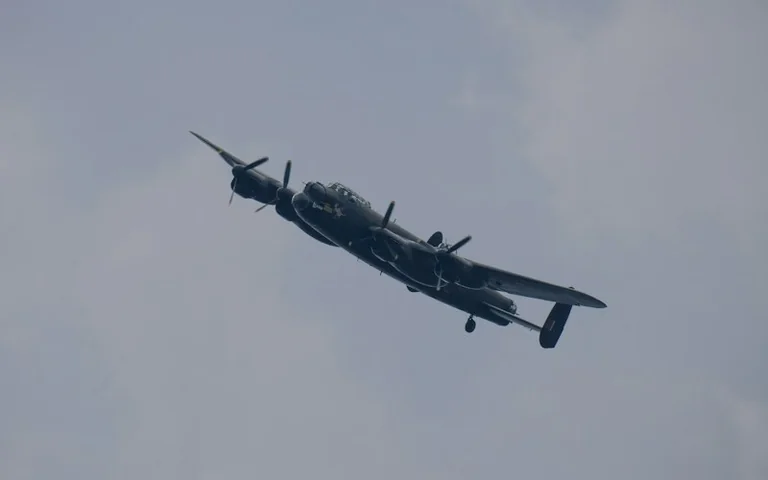
Airfields were working military sites, but they were also neighbours to towns, villages and farms. Aircraft noise, arrivals and departures, bomb damage, crashes and the presence of service personnel became part of daily life for many communities.
That local experience explains why Battle of Britain Day can be marked differently from one place to another. A community near a former fighter station may focus on its squadrons or memorials. Elsewhere, local archives may preserve the stories of evacuees, wartime workers or families who watched the air war from home.
How museums preserve the evidence of 1940
Museum collections help move remembrance beyond familiar images and slogans. The Royal Air Force Museum maintains Battle of Britain collection and research resources that document aircraft, objects, photographs, records and personal histories connected with the campaign.
Such material can show how aircraft were designed, repaired and operated, but it can also reveal the human scale of the conflict. Logbooks, letters, uniforms and photographs offer evidence of routines, losses and relationships that broad national narratives can overlook.
Imperial War Museums provides an accessible historical introduction to the Battle of Britain and its significance. Reading a museum account alongside objects and records from the RAF Museum can help visitors distinguish documented history from later myth-making.
When using online collections, it is worth noting the date and description attached to an item. A photograph may show an event, but its caption, location and provenance often provide the context needed to understand what is actually known.
Finding the Battle of Britain story near home
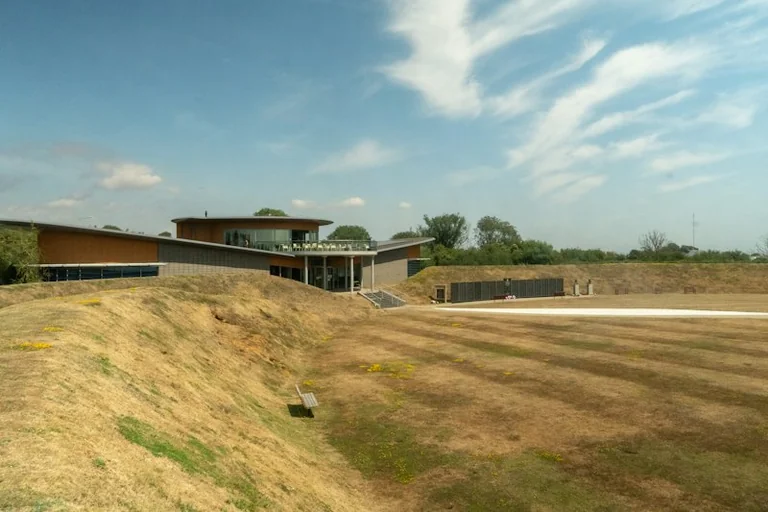
For people exploring the anniversary, local history can be a useful starting point. Search for the name of a nearby former RAF station, civilian airfield, anti-aircraft site or wartime factory, then check whether a local museum, archive or heritage group holds records.
Useful places to investigate include:
- Local studies libraries and county archives, which may hold wartime newspapers, maps and photographs.
- Cemetery and memorial records, where service histories can sometimes be traced with care.
- Museum collection catalogues, especially those published by the Royal Air Force Museum and Imperial War Museums.
- Local commemorative services, memorial walks or talks held around 15 September.
Family research deserves the same caution as any other historical work. Names can be repeated, recollections can change over time, and a family story may require confirmation through service records, contemporary documents or a reliable archive catalogue.
Questions that can open a local history search
A few precise questions can make a broad subject manageable: Which airfields operated within travelling distance? Which squadrons were based there in 1940? Did the area experience raids, aircraft crashes or wartime industrial change? Are there memorials whose inscriptions identify people, units or dates?
The answers may connect a national anniversary to a particular street, parish, workplace or household. They can also show that the Battle of Britain was not experienced in one uniform way across the UK.
A commemoration grounded in evidence
Battle of Britain Day remains significant because it recalls a campaign that shaped the course and memory of the Second World War. Its enduring value is not only ceremonial. It is an invitation to examine how national events were made up of individual duties, local places and surviving evidence.
For a dependable starting point, consult Imperial War Museums’ account of the campaign, then explore the Royal Air Force Museum’s Battle of Britain research collections. Local archives and memorial organisations can add the place-specific detail that turns a national date into a clearer understanding of a community’s past.
Source: Imperial War Museums
Context & actions About this article
Source check Historical sources
This explainer draws on historical context published by Imperial War Museums and collection resources maintained by the Royal Air Force Museum.
- Read Imperial War Museums’ history of the Battle of Britain.
- Explore the Royal Air Force Museum’s Battle of Britain collections.
- Check local archive catalogues for nearby airfield and community records.
- Source
- Imperial War Museums: What was the Battle of Britain?
- Scope
- United Kingdom
- Updated
- 2026-09-13 10:00
Source check
Report a trust issue
Send a clear signal to community moderation if the source, facts or context need review.




Comments