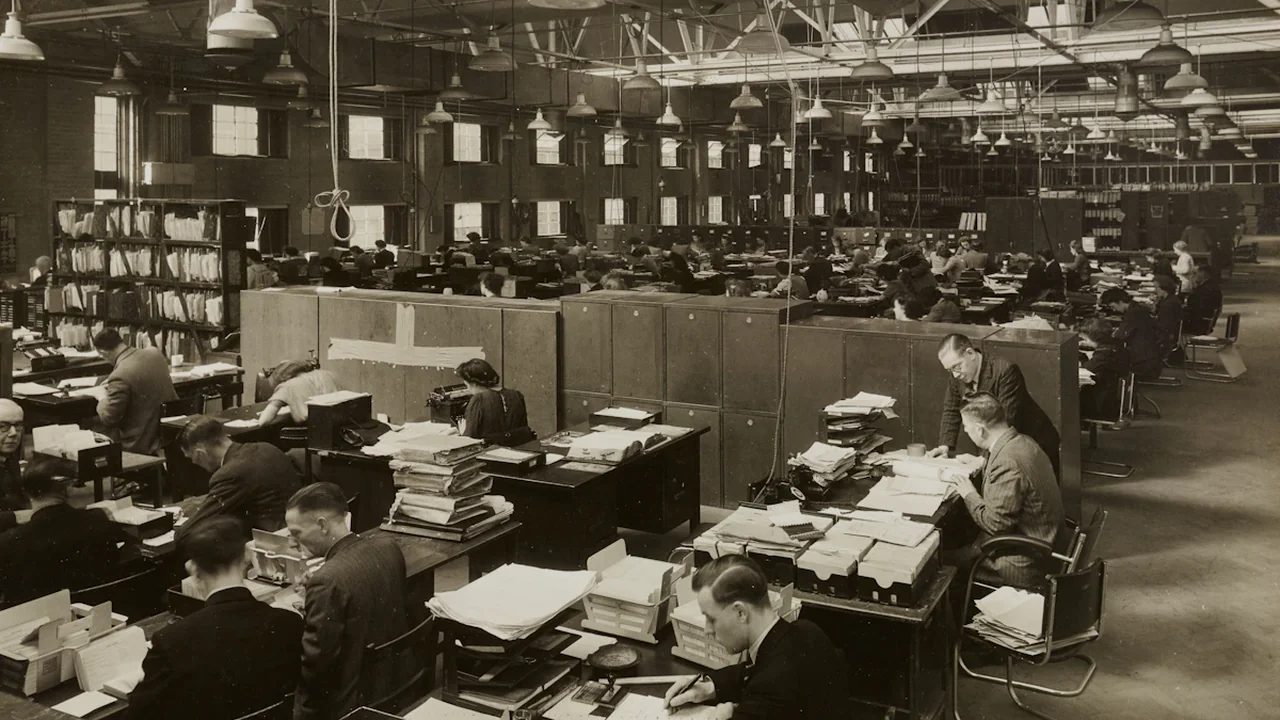
On August 21, 1940, the news of Leon Trotsky’s death in Mexico reached London, rippling through the corridors of power at a moment when Britain stood at its most vulnerable. A former leader of the Russian Revolution and the primary rival to Joseph Stalin, Trotsky had spent his final years in exile, constantly evading the reach of Soviet agents. His death by an ice axe blow to the head was not merely a personal tragedy for a political figure; it marked a pivotal moment in the complex, often fraught, diplomatic landscape of the Second World War.
The Diplomatic Climate of 1940
In the summer of 1940, Britain stood largely alone against Nazi Germany. The British government was engaged in a delicate, often strained, balancing act regarding its relationship with the Soviet Union. While the Molotov-Ribbentrop Pact had aligned Stalin with Hitler in 1939, British officials remained aware that this alliance was inherently fragile and driven by mutual suspicion.
Trotsky’s assassination served as a stark reminder of the long reach of the Soviet secret police, the NKVD. For British intelligence and the Foreign Office, the event underscored the internal instability of the Soviet regime and the absolute, often violent, control exercised by Stalin. It forced a re-evaluation of how much trust could be placed in any potential future cooperation with Moscow as the war against the Axis powers intensified. The assassination was not viewed in isolation; it was seen as a diagnostic tool for understanding the nature of the regime with which Britain might eventually have to align.
British Foreign Policy Shifts
Following the news of the assassination, British diplomatic correspondence reveals a pragmatic, albeit deeply cautious, approach. The primary objective for the British government was the survival of the United Kingdom and the defeat of Nazi Germany. Consequently, while the brutality of the Soviet state was well-documented by British diplomats, the focus shifted toward the strategic necessity of keeping the Soviet Union as a potential counterweight to German expansion.
This shift required a compartmentalization of moral judgment. British policymakers had to weigh the ideological threat of Stalinism against the immediate existential threat posed by the Third Reich. The assassination of Trotsky provided a grim, concrete example of the risks inherent in dealing with such a partner, ensuring that no British official was under any illusions regarding the character of the Soviet leadership.
Intelligence and Security Concerns
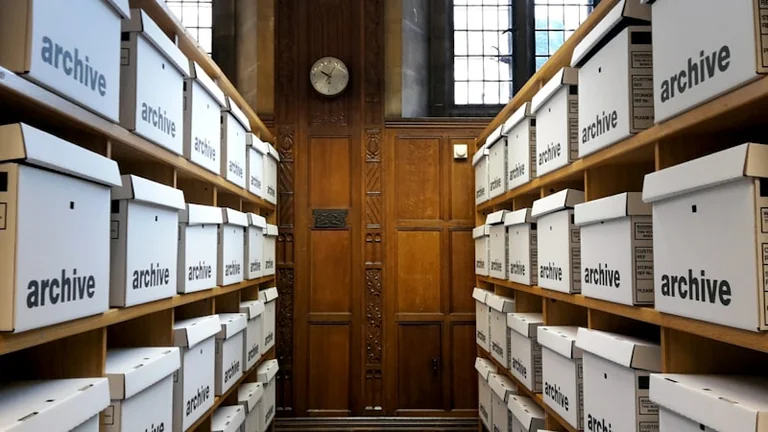
Records held by The National Archives highlight that British intelligence agencies were deeply concerned about Soviet subversion within Britain. The assassination of a high-profile exile like Trotsky demonstrated that the Soviet Union was prepared to use lethal force internationally to silence dissent. This influenced British security protocols, leading to increased surveillance of communist sympathizers and Soviet-aligned groups within the UK throughout the early 1940s.
Security services, including MI5, monitored domestic political movements with heightened scrutiny, fearing that the same ruthless efficiency displayed in Mexico could be replicated on British soil. This period of heightened vigilance established a precedent for internal security measures that would persist well into the post-war era.
A Legacy of Caution
The death of Trotsky did not stop the eventual formation of the Grand Alliance between Britain, the Soviet Union, and the United States following the German invasion of Russia in 1941. However, it ensured that the relationship was built on a foundation of profound, institutionalized distrust. British policymakers operated with the full knowledge of the Soviet leadership’s ruthless methods, a reality that informed negotiations at Tehran, Yalta, and Potsdam.
Understanding this historical context provides insight into why the Cold War tensions of the late 1940s did not come as a surprise to the British establishment. The events of August 1940 remained a touchstone for those who doubted the longevity of the wartime alliance with Stalin. For those interested in the evolution of these diplomatic ties, reviewing the archival records from this period provides a clearer view of the strategic calculations that shaped modern British foreign policy, illustrating how the shadow of a single assassination in Mexico influenced the geopolitical architecture of the 20th century.
Source: The National Archives
Context & actions About this article
Source check Historical Context
This article relies on diplomatic records regarding the impact of the 1940 assassination on British foreign policy.
- Verify archival records at The National Archives
- Review 1940s diplomatic correspondence
- Source
- The National Archives
- Scope
- United Kingdom
- Updated
- 2026-08-21 07:31
Source check
Report a trust issue
Send a clear signal to community moderation if the source, facts or context need review.



Comments