
On the evening of 14 August 1945, people in Britain heard that Japan had accepted the Allied terms for surrender. The news meant that the Second World War was finally approaching its end, but Britain observed Victory over Japan Day on 15 August. Those dates mark connected stages in the same historic transition, shaped by official announcements, time zones and the need to confirm that hostilities were ending.
For millions of people, this was more than a change in the calendar. British, Commonwealth and Allied personnel were still serving across Asia and the Pacific months after victory had been declared in Europe. Prisoners of war remained in captivity, families awaited reliable news, and civilians across the region were living with the consequences of occupation, bombing, displacement and deprivation.
Imperial War Museums explains that VJ Day is associated with 15 August, following the announcement of Japan’s surrender. The process was not complete until representatives of Japan formally signed the surrender documents on 2 September 1945.
The war continued after Britain celebrated VE Day
Victory in Europe Day on 8 May 1945 ended the war against Nazi Germany, but it did not end the Second World War. Fighting continued against Japan across a vast theatre extending through Burma, China, Southeast Asia and the Pacific islands.
This distinction mattered deeply in Britain and throughout the Commonwealth. Service personnel remained deployed far from home, while prisoners captured during earlier campaigns were still held in Japanese camps. Their families could not treat VE Day as the end of danger or uncertainty.
British and Commonwealth forces had fought in campaigns including Burma, often in severe heat, monsoon conditions and difficult terrain. Indian, African, Australian, New Zealand and other Commonwealth personnel served alongside British and Allied forces. Naval operations also placed crews thousands of miles from Britain.
The British Pacific Fleet represented Britain’s renewed naval commitment to the final operations against Japan. It worked alongside Allied forces in the Pacific and included ships, aircraft carriers and personnel drawn from Britain and the wider Commonwealth.
HMS Belfast also illustrates how preparations continued even as the war neared its conclusion. After service in European waters, the cruiser was prepared for deployment to the Far East. Japan’s surrender changed the purpose and timing of such wartime movements, but it did not instantly return every ship or service member home.
Why the surrender news reached Britain on 14 August
By August 1945, Allied governments were awaiting Japan’s response to the Potsdam Declaration, which demanded surrender. Japan communicated its acceptance of the Allied terms, subject to the position of Emperor Hirohito, and the Allies responded that the emperor would be subject to the authority of the supreme Allied commander.
Once acceptance was established, news travelled through governments, military commands and broadcasters operating in different time zones. In Britain, the decisive news became public late on 14 August. Prime Minister Clement Attlee announced that Japan had surrendered, bringing an end to the final major conflict of the Second World War.
It was already 15 August in Japan when Emperor Hirohito’s recorded address was broadcast to the Japanese public. Many listeners were hearing the emperor’s voice for the first time. His formal language told the population that the government had accepted the Allied declaration, although the broadcast did not use the straightforward language of defeat familiar to British audiences.
The date difference therefore reflects the movement of news around the world, not two competing versions of the event. Britain heard the surrender announcement on the evening of 14 August and marked VJ Day on 15 August. Both dates belong to the same sequence.
A short chronology makes that sequence clearer:
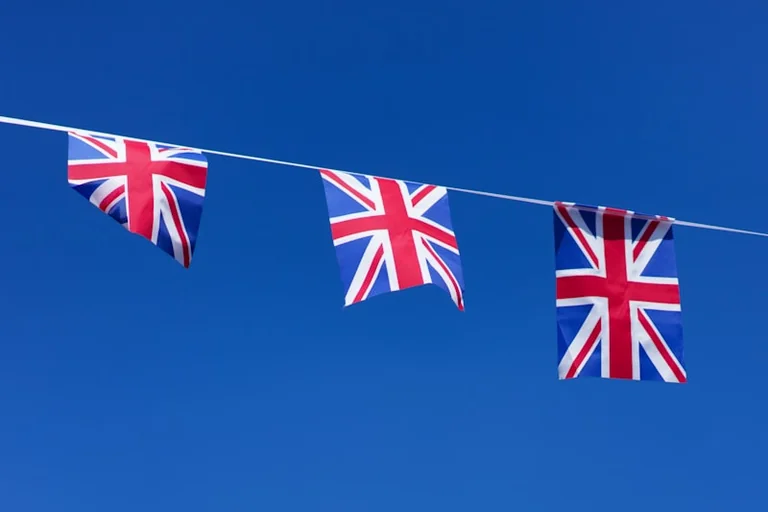
- 14 August 1945: Japan’s acceptance of the Allied surrender terms became public in Britain and the United States.
- 15 August 1945: Hirohito’s broadcast was heard in Japan, while Britain observed VJ Day.
- 2 September 1945: Japan’s representatives signed the formal surrender aboard USS Missouri in Tokyo Bay.
Britain’s VJ Day was an observance as well as a celebration
Crowds gathered after the announcement, and the end of nearly six years of global war brought relief. Yet the meaning of VJ Day cannot be reduced to public celebrations in London or other British cities.
For former prisoners of war, liberation was a process rather than a single moment. News of surrender had to reach remote camps, Allied forces had to locate and enter them, and prisoners needed food, medical treatment and transport. Many were gravely ill after forced labour, malnutrition, disease and physical abuse.
Families in Britain and across the Commonwealth still waited to discover who had survived. Communications were uneven, and an official announcement could not immediately resolve years of separation. Repatriation took time, while the physical and psychological effects of captivity continued long after homecomings.
The civilian cost was also immense. Communities across Asia and the Pacific had endured invasion, occupation, forced labour, hunger, bombing and mass displacement. The atomic bombings of Hiroshima and Nagasaki, the Soviet Union’s entry into the war against Japan and continuing military pressure formed the immediate setting in which Japan accepted surrender.
Remembering VJ Day therefore requires room for relief, grief and historical complexity. It marked the end of fighting for the Allies, but survivors entered a difficult post-war world shaped by bereavement, destroyed cities, contested empires and demands for independence.
Formal surrender followed on 2 September 1945
The August announcements established that Japan would surrender and ordered the ending of hostilities, but military capitulation still required a formal ceremony. That took place on 2 September 1945 aboard the American battleship USS Missouri in Tokyo Bay.
Representatives of Japan signed the Instrument of Surrender before Allied representatives. The ceremony formally recorded Japan’s acceptance of the Potsdam terms and completed the surrender process at the international level.
This later date does not displace 14 or 15 August. Each marks a different part of the ending of the war: public confirmation that surrender had been accepted, national observance of victory, and the signing of the formal instrument.
Imperial War Museums uses this sequence to explain why 15 August remains the British date most closely associated with VJ Day. The anniversary connects the announcement heard the previous evening with the experiences of those still serving, those awaiting liberation and those whose lives had already been irrevocably changed.
What 14 August asks Britain to remember
The anniversary of 14 August captures a moment when information moved faster than demobilisation, liberation or recovery. People could hear that the war was ending before governments and armed forces had completed all the steps needed to make peace effective.
That is why the transition into VJ Day matters. It preserves the distinction between hearing the news and living through its consequences. For service personnel, prisoners of war and civilians, the end came through a chain of announcements, ceasefire orders, liberations, journeys home and formal acts.
Remembering both 14 and 15 August gives that history its proper shape. The first records the news reaching Britain; the second is the established British observance of Victory over Japan Day. The formal surrender on 2 September completed the sequence, but remembrance continues to centre the people who bore its human cost.
Source: Imperial War Museums
Context & actions About this article
Source check Historical context
The date sequence and surrender context are grounded in the Imperial War Museums account of VJ Day.
- Japan’s acceptance of the Allied surrender terms was announced in August 1945.
- Britain observes VJ Day on 15 August.
- Japan’s formal surrender was signed on 2 September 1945.
- Source
- Imperial War Museums
- Scope
- United Kingdom
- Updated
- 2026-08-14 17:15
Source check
Report a trust issue
Send a clear signal to community moderation if the source, facts or context need review.

Comments