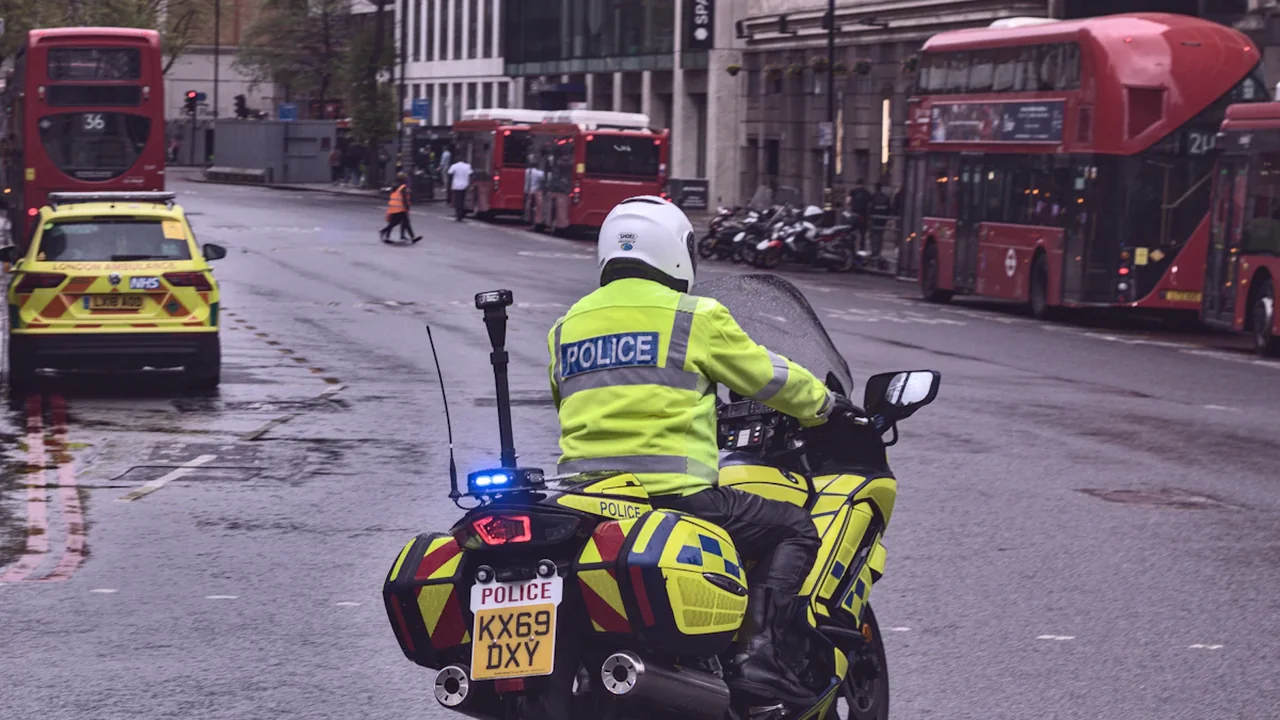
On 29 September 1829, the Metropolitan Police began operating in London. The date marks the start of a new organised force associated with Home Secretary Robert Peel. It is an anniversary of a particular institution beginning work, rather than a claim that policing in London began that day or has remained the same since.
The first-day detail is that constables went out on patrol. That shift from a plan for a police force to officers working on the streets gives the anniversary its meaning. It also helps distinguish the start of operations from the political decision to establish the force earlier in 1829.
What happened on 29 September 1829?
The Metropolitan Police began its work in London on 29 September 1829. The date is commonly used as its operational anniversary: the point when the new force moved from being an institution created in law to one carrying out patrols. Encyclopaedia Britannica places the force’s establishment in London in 1829.
The distinction between establishment and operations matters. An act of Parliament could provide for a police force, but residents would encounter it only when its officers began working. For an anniversary tied to a single day, those first patrols are the relevant event.
The name can also be misleading to modern readers. “Metropolitan” referred to the London area the force was created to serve; it did not mean that one institution suddenly took over every form of policing everywhere. London already had ways of keeping order, and the new force was part of a wider, gradual change in how the capital was policed.
Why Robert Peel backed a new London force
Robert Peel, then Home Secretary, is closely associated with the Metropolitan Police’s creation. The legislation of 1829 provided for a more organised body of officers for the growing capital. Its aim was to put regular policing on a firmer footing than the patchwork of local arrangements that preceded it.
Before the new force, responsibility for order was divided among local constables, watchmen and other authorities. Those arrangements had developed over time and varied by place. A large, busy city presented a different challenge from a collection of smaller communities, particularly when people, traffic and commerce crossed local boundaries every day.
The Metropolitan Police offered a more coordinated approach. Officers assigned to patrol could become a regular presence in the areas they served. That feature helps explain why the first day of operations carries more historical weight than a ceremonial founding date: it was the beginning of the institution’s everyday contact with Londoners.
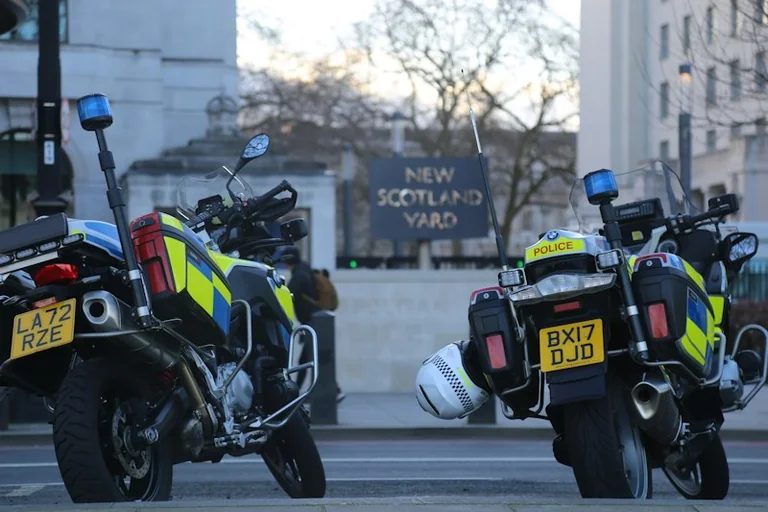
Peel’s role is important, but the story is larger than one person. Parliament created the legal framework, the new organisation had to recruit and direct officers, and Londoners then had to live with its presence. The force’s origins are therefore both a political decision and a change in the daily life of the city.
What the anniversary does—and does not—tell us
The date identifies the beginning of the Metropolitan Police as an operating force. It does not describe the whole history of policing in London. People enforced rules and responded to disorder before 1829, and other policing bodies existed alongside the new institution. The anniversary belongs specifically to the Metropolitan Police.
Nor should the first patrols be treated as a snapshot of the present-day service. The city, the law, public expectations and the work assigned to police have all changed over nearly two centuries. A constable’s patrol in 1829 explains an origin; it cannot stand in for the many later decisions that shaped how the Metropolitan Police works today.
That separation makes the history more useful. The starting date helps readers see why the force was created: London’s leaders wanted a more regular, organised response to the demands of a growing capital. Its later history concerns how that institution adapted, expanded and was challenged. Those are connected stories, but they are not the same event.
Why the date remains part of London’s civic history
The Metropolitan Police became one of London’s most recognisable public institutions. Its 1829 start is a marker in the city’s development, alongside changes in transport, government and public services during the nineteenth century. Remembering the operational date gives that broad history a concrete point of entry: officers beginning their work on London’s streets.
For anyone using the anniversary to understand the capital, the most helpful question is what changed at the time. On 29 September, a newly established force started to operate. That brought a more organised police presence into parts of everyday London life. The significance lies in that beginning and in the long history that followed, rather than in an assumption of continuity in every practice.
A fuller account of the Metropolitan Police requires looking beyond its first day: at the people it served, the powers it was given, the criticism it faced and the reforms made over time. The anniversary tells readers where the institutional story starts. It leaves room to examine how the institution changed.
Source: Encyclopaedia Britannica
Context & actions About this article
Source check Historical context
Encyclopaedia Britannica dates the Metropolitan Police’s establishment in London to 1829; the anniversary refers to its start of operations on 29 September.
- Distinguishes the force’s establishment from its first day of operations.
- Identifies London as the location and the Metropolitan Police as the institution.
- Treats policing today as the product of later changes.
- Source
- Encyclopaedia Britannica
- Scope
- London
- Updated
- 2026-09-29 09:36
Source check
Report a trust issue
Send a clear signal to community moderation if the source, facts or context need review.



Comments