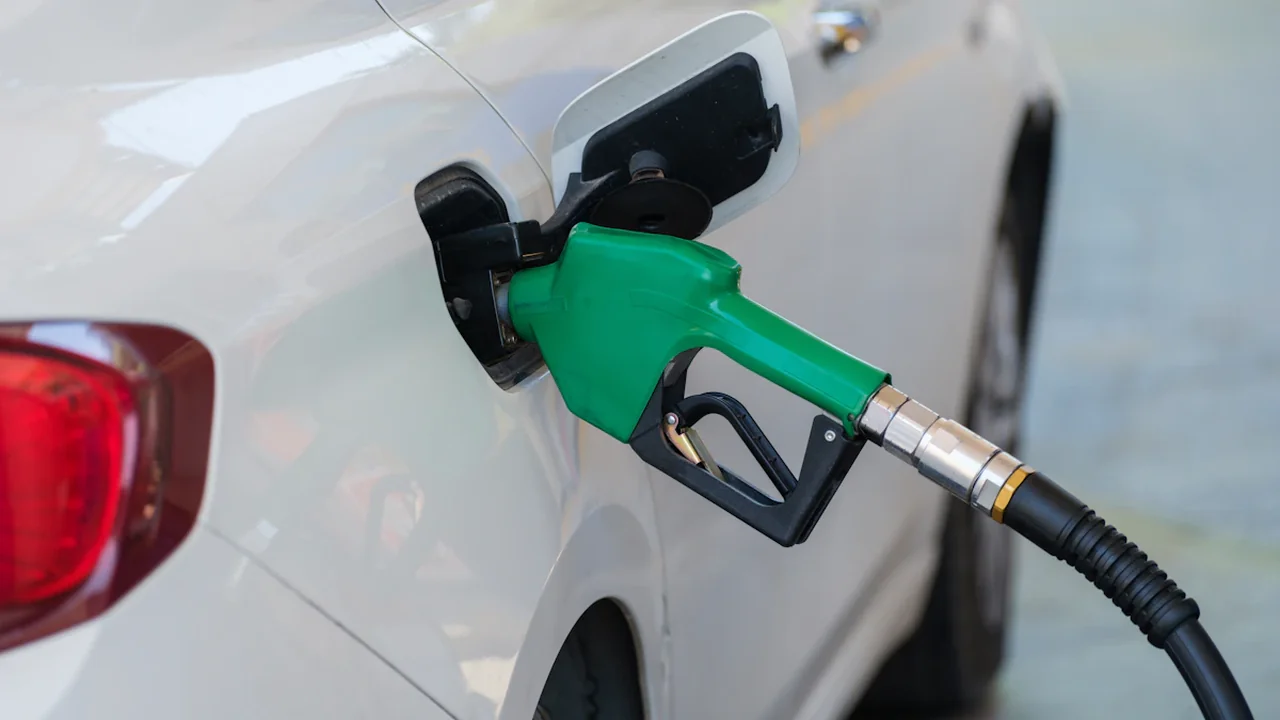
Recent data indicates that UK fuel prices are beginning to level off as global crude supply chains show signs of long-term stabilization. For motorists, this means the rapid price fluctuations seen earlier in the year are giving way to a more predictable, albeit still elevated, cost environment at the pump.
Understanding Current Fuel Trends
Global supply chains are the primary driver of domestic pump prices. As crude oil production stabilizes, the volatility that previously caused sudden spikes at local forecourts has diminished. According to the latest tracking from the RAC, average prices for petrol and diesel are currently reflecting this international supply consistency.
Price Comparison: August 2026
While averages provide a national benchmark, prices vary significantly by region and retailer. The following table highlights the current average cost per litre compared to early August metrics.
| Fuel Type | Early August Avg | Current Average |
|---|---|---|
| Unleaded Petrol | 148.2p | 146.5p |
| Diesel | 153.8p | 151.2p |
Practical Steps to Lower Your Fuel Costs
Even in a stabilizing market, finding the best price remains the most effective way to manage your driving budget. Small differences per litre can add up significantly over a full tank.
- Use Real-Time Apps: Utilize dedicated fuel-finding apps to compare prices at local stations before you leave home. Prices can fluctuate between neighboring streets.
- Monitor Supermarket Deals: Supermarkets often remain the most competitive option for fuel. Check for loyalty scheme vouchers that offer additional savings per litre.
- Drive Efficiently: Smooth acceleration and maintaining a steady speed can improve your fuel economy by up to 15%, regardless of the base price at the pump.
- Check Regional Variance: Rural locations often have higher overheads for delivery, resulting in higher prices compared to urban or motorway service areas. Plan your refueling to avoid expensive stops when possible.
Maintaining Your Savings
To ensure you are paying the lowest possible rate, make it a habit to check current local averages once a week. If you notice a sudden discrepancy at your local station, consider checking a neighboring town or a larger supermarket chain, as localized competition remains the strongest driver of lower prices.
Source: RAC
Context & actions About this article
Source check Market Context
Fuel price trends are based on RAC national averages and global crude supply stability.
- Verify local station prices via real-time mobile apps
- Compare regional price differences before refueling
- Source
- RAC
- Scope
- United Kingdom
- Updated
- 2026-08-21 07:54
Source check
Report a trust issue
Send a clear signal to community moderation if the source, facts or context need review.



Comments