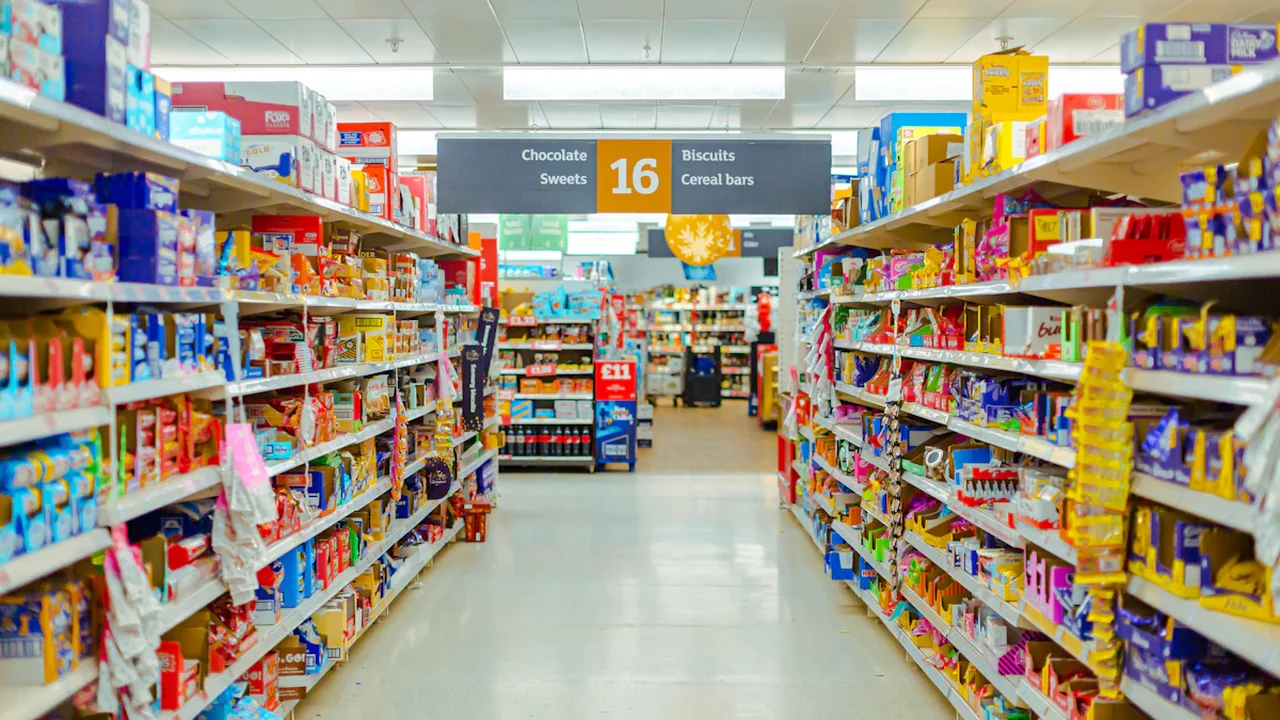
The United Kingdom’s year-end inflation test is now clearly defined: will the official Consumer Prices Index rate fall to 2.5% or lower in December 2026? The Office for National Statistics publishes the CPI all-items 12-month rate that will decide the answer. The result will matter to households assessing purchasing power, wage growth, savings and the possible direction of borrowing costs as 2026 enters its final stretch.
By AtheneNet Economy Desk | 29 August 2026
The December 2026 inflation test at a glance
- Will UK CPI inflation be 2.5% or lower in December 2026?
- Deadline: The forecast closes on 31 December 2026.
- YES: The first ONS bulletin for December reports CPI at 2.5% or below.
- NO: That bulletin reports CPI above 2.5%.
- Deciding result: The UK CPI all-items 12-month rate, not CPIH, core CPI or a later revision.
The result will not be known on New Year’s Eve. The ONS normally publishes the relevant monthly inflation bulletin after the measurement month has ended, so settlement will wait for the first release covering December 2026.
Read also: Bank holiday fuel costs: compare UK prices before Monday
Why 2.5% would be a meaningful household benchmark
A reading of 2.5% would still be above the Bank of England’s 2% inflation target. It would nevertheless indicate that the overall pace of consumer price increases had moved relatively close to that target by the end of the year.
Lower inflation does not mean that prices return to their previous levels. It means the measured basket is becoming more expensive at a slower annual rate. A household that has already absorbed large increases in food, energy, rent or transport costs would not see those earlier increases reversed merely because headline CPI reached 2.5%.
The distinction matters for wages. If earnings rise faster than consumer prices, workers may experience improving real purchasing power before tax and individual expenses are considered. If wage growth falls alongside inflation, however, the improvement could feel limited—especially for households whose largest bills are increasing faster than the national index.
The benchmark may also influence expectations around interest rates. The Monetary Policy Committee considers a broad range of inflation indicators rather than one monthly headline number. A 2.5% reading would therefore be relevant, but it would not automatically produce a particular decision on Bank Rate, mortgages or savings returns.
The spending categories that could keep CPI above 2.5%
Headline CPI combines price movements across many goods and services. A favourable change in one category can be offset by renewed pressure elsewhere, making the December result dependent on the composition of inflation as well as its overall direction.
Energy and household bills
Gas and electricity prices can have an outsized effect on the annual comparison, particularly when regulated tariffs or wholesale-cost changes alter household bills. The December rate will also depend on what happened to prices a year earlier: an unusually high or low comparison base can make the annual rate move even when the latest monthly change is modest.
Fuel prices provide another source of volatility. Changes in crude oil markets, refining costs, exchange rates and retail margins can quickly affect petrol and diesel. Fuel also feeds indirectly into distribution costs, although businesses do not necessarily pass every change to consumers immediately.
Food and service-sector prices
Food inflation can remain persistent when agricultural costs, weather, energy, packaging, transport or labour expenses rise. Grocery prices carry particular emotional and practical weight because households encounter them frequently, even when their contribution to the full CPI basket is smaller than consumers might assume from their weekly shopping.
Services could prove especially important to the YES-or-NO outcome. Restaurants, hotels, recreation, personal services and other labour-intensive activities may face continued wage and operating-cost pressure. Services inflation can be slower to decline than goods inflation because pay, rent and contracts often adjust gradually.
Transport fares and travel prices may also affect the December figure. Seasonal movements can be sharp, but the ONS applies established collection and weighting methods to calculate the national index. One expensive journey or holiday does not directly determine the headline rate.
The case for a YES result
The path to 2.5% or lower would become more plausible if price pressure eases across several categories rather than relying on a single favourable component.
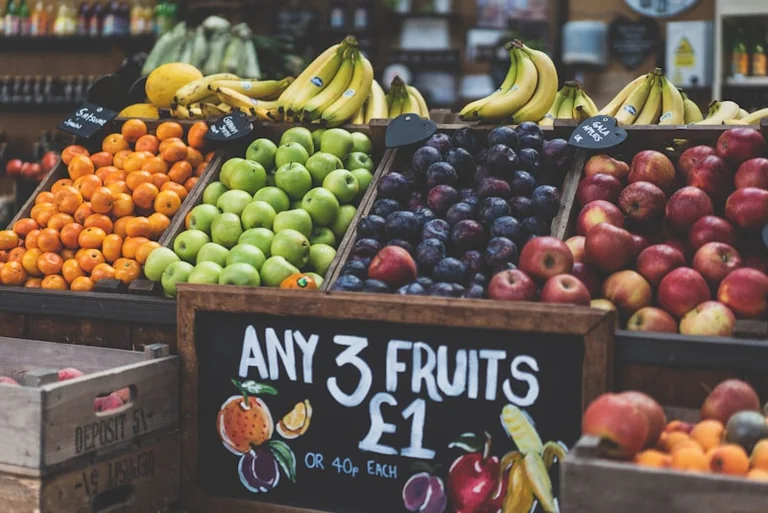
A YES outcome could be supported by:
- Softer energy and motor-fuel prices compared with December 2025.
- Moderating food-price increases across a broad range of groceries.
- Slower service inflation as wage and operating-cost pressure cools.
- Limited pass-through from global commodity or shipping disruptions.
- Helpful annual comparisons as earlier price increases leave the 12-month calculation.
A broad-based slowdown would be more significant for household expectations than a result driven entirely by a volatile category. Even so, the forecast resolves on the published all-items number alone. The reasons behind the figure help explain it but do not change the binary outcome.
The case for a NO result
A reading above 2.5% could result from persistent domestic inflation or a fresh external shock. Several smaller pressures could also combine to hold the headline measure over the threshold without any single category producing an extreme increase.
The NO path could include:
- Renewed rises in gas, electricity, petrol or diesel prices.
- Food inflation remaining elevated into the Christmas period.
- Service providers continuing to pass higher wage and rental costs to customers.
- Sterling weakness raising the cost of imported goods and inputs.
- Unfavourable base effects in the year-on-year calculation.
Timing is a central uncertainty. Inflation can fall over several months and still finish slightly above 2.5%, or it can cross the threshold temporarily before moving back. Only the December 2026 annual rate in the first relevant ONS release counts.
Why national CPI may not match a household’s experience
CPI measures the price change of a representative basket using national expenditure weights. Real households buy different combinations of products and services, so their personal rate can diverge substantially from the headline figure.
A low-income household may devote a larger share of its budget to food and energy. A commuter may be more exposed to fuel or public-transport prices. Renters can experience housing costs differently from outright homeowners, while borrowers may feel changes in mortgage payments that are not captured in CPI in the same way as everyday consumer purchases.
This is also why CPI should not be confused with CPIH, which includes an estimate of owner-occupiers’ housing costs and council tax. Nor is the forecast based on core CPI, a measure that excludes some volatile components. Those indicators can provide useful economic context, but they cannot settle this question.
Households evaluating their position should compare changes in their own major bills with changes in after-tax income. The official inflation rate is an important national benchmark, not a personalised cost-of-living statement.
How the official December result will settle the forecast
The deciding publication will be the first ONS consumer-price bulletin covering December 2026. If its UK CPI all-items 12-month rate is exactly 2.5%, the outcome is YES because the threshold includes 2.5%. Any published figure of 2.6% or higher produces NO.
The first published value is final for this forecast. A subsequent revision, correction to a historical series or methodological update will not retrospectively change the outcome. This rule gives the question a single observable endpoint and prevents later data changes from reopening it.
The most useful next check is therefore the headline CPI all-items 12-month rate in that first December 2026 bulletin, followed by the ONS component breakdown explaining whether food, energy, transport or services made the decisive contribution.
Source: Office for National Statistics
Context & actions About this article
Source check How this forecast is decided
The outcome depends exclusively on the first ONS CPI all-items 12-month rate published for December 2026.
- Use the first ONS consumer-price bulletin covering December 2026.
- Check the CPI all-items 12-month rate, not CPIH or core CPI.
- Resolve YES at 2.5% or below and NO above 2.5%.
- Do not change the outcome because of a later revision.
- Source
- Office for National Statistics consumer price inflation bulletin
- Scope
- United Kingdom
- Updated
- 2026-08-30 14:23
Source check
Report a trust issue
Send a clear signal to community moderation if the source, facts or context need review.


Comments