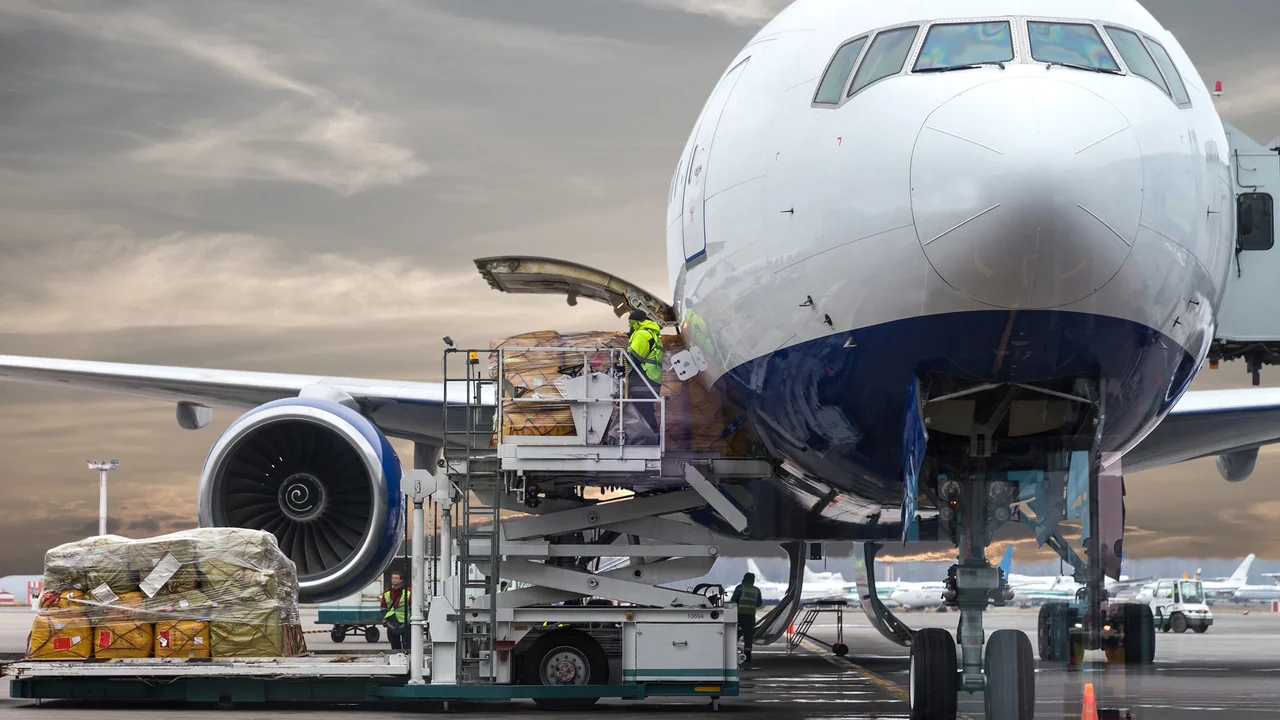
The UK aviation sector is undergoing a significant logistical shift, with air cargo volumes climbing toward levels not seen since 1990. Driven by a surge in both international trade and consumer demand, the latest quarterly data from the UK Civil Aviation Authority (CAA) reveals a three per cent year-on-year increase in total air cargo, reaching 699,000 tonnes between July and September 2026.
This growth in freight is acting as a catalyst for broader economic recovery. While passenger numbers remain on track to surpass 300 million by the end of 2026—with 91.3 million passengers recorded in the third quarter alone—the belly holds of these aircraft are increasingly vital to global trade. At Heathrow, for instance, 95 per cent of all cargo is transported in the lower holds of passenger planes, illustrating the deep integration between travel demand and supply chain logistics.
Regional Growth and Export Drivers
While major hubs continue to dominate, regional airports are reporting sharp increases in throughput. Glasgow Prestwick has emerged as a standout performer, recording a 43 per cent jump in cargo tonnage compared to the previous year. This growth is anchored by a robust trade lane with China, facilitating the export of high-value Scottish goods such as salmon, lobster, crab, whisky, and pharmaceuticals, while simultaneously importing e-commerce parcels into the UK.
Other airports are also seeing significant gains. Edinburgh reported a 22 per cent increase in cargo tonnage, while Manchester and Gatwick each handled 4,000 additional tonnes compared to the same period in 2025. Heathrow remains the primary national hub for exports by weight, with Scottish salmon leading the list, followed by printed books and diesel vehicle engines. The airport’s fastest-growing market is the Asia/Pacific region, with notable trade spikes to Delhi and Seoul.
Economic Resilience and Future Outlook
Despite geopolitical headwinds impacting the aviation industry, the resilience of cargo operations has provided a critical buffer for the UK economy. Air freight remains the preferred choice for businesses where delivery speed and temperature control are non-negotiable. For the manufacturing sector, the ability to fly in urgent spare parts serves as a lifeline, ensuring that production lines remain competitive and operational.
Useful Details
- Total Cargo: 699,000 tonnes handled between July and September 2026.
- Passenger Volume: 91.3 million passengers in Q3, keeping the industry on track for a 300 million annual total.
- Key Export Markets: New York remains the top destination, followed by Doha, Dubai, Shanghai, Delhi, Mumbai, and Beijing.
- Import Trends: Air freight is increasingly dominated by e-commerce parcels, electronic goods, fashion, and fresh produce including mangoes, guava, and roses.
- Operational Caveat: While cargo growth is strong, the industry must continue to balance freight capacity with record-breaking passenger numbers, as approximately 65 per cent of all UK air cargo is carried in the belly holds of passenger aircraft.
Source: UK Civil Aviation Authority News
Context & actions About this article
Source check Data verified by UK Civil Aviation Authority
This report is based on the Q3 2026 Aviation Trends data published by the UK Civil Aviation Authority.
- Cross-referenced cargo tonnage figures with CAA quarterly report
- Verified regional growth statistics for Glasgow Prestwick and Heathrow
- Confirmed export commodity data for Scottish salmon and manufacturing goods
- Source
- UK Civil Aviation Authority Newsroom
- Scope
- United Kingdom
- Updated
- 2026-11-25 19:27
Source check
Report a trust issue
Send a clear signal to community moderation if the source, facts or context need review.




Comments