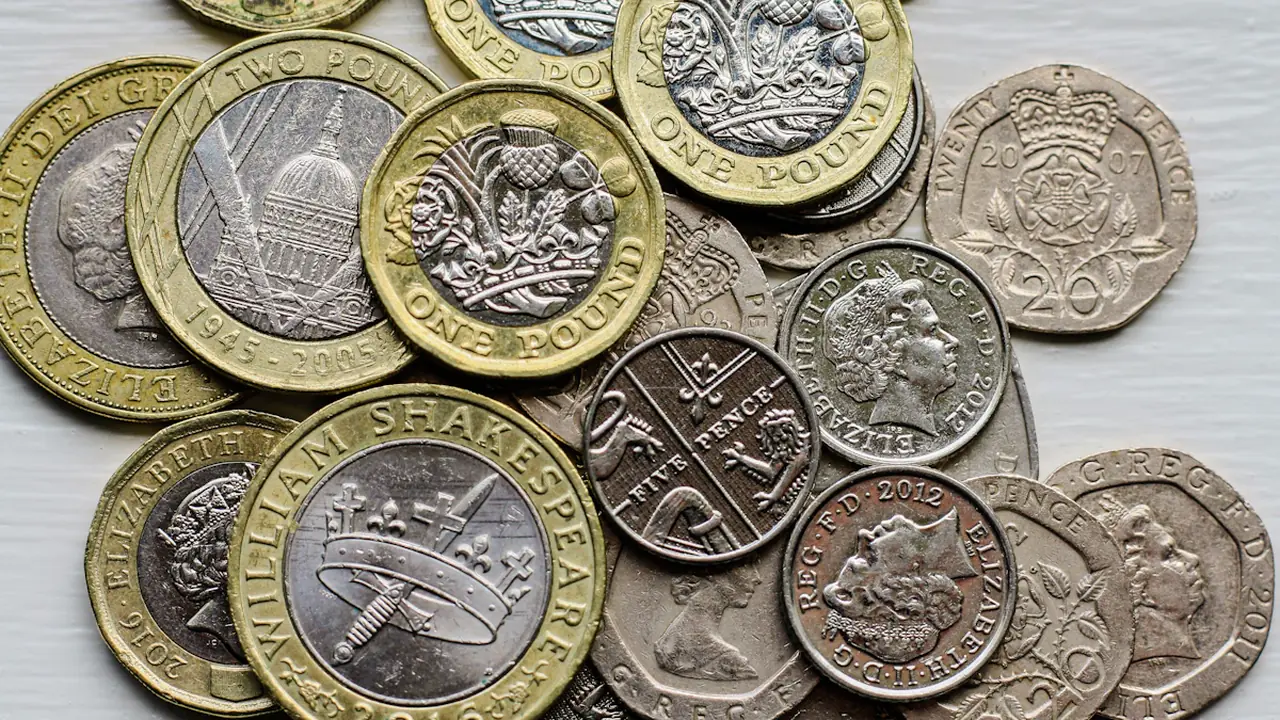
The Office for National Statistics will publish the United Kingdom’s July 2026 Consumer Prices Index reading on 19 August 2026, setting a clear test for households, employers and interest-rate watchers. The result matters because the first official all-items CPI 12-month rate will decide whether July inflation was strictly below 3.5%, while also shaping the debate around bills, pay and future Bank of England decisions.
The July CPI threshold and the date that matters
The ONS release calendar schedules the publication of consumer-price inflation data covering July 2026 for 19 August. The all-items CPI 12-month rate is the measure at the centre of this forecast: it compares the overall price level in July 2026 with its level a year earlier.
A reading below 3.5% would mean the annual CPI rate has cleared the stated threshold. A reading of 3.5% exactly, or any higher figure, would not.
Read also: UK CPI July 2026: Will Inflation Reach 3.0% by 19 August?
- Will the first ONS release put July 2026 all-items CPI below 3.5%?
- Deadline: 19 August 2026, when the ONS publishes the July bulletin.
- YES result: The first published all-items CPI 12-month rate is below 3.5%.
- NO result: The first published rate is 3.5% or higher.
- Deciding record: The ONS Consumer Prices Index bulletin released that morning.
The threshold is simple, but the lived experience behind it is not. A household facing higher food costs, rent-related charges or transport expenses may feel more pressure than the headline rate suggests. Another household whose biggest bills have steadied may feel relief even if inflation remains above the Bank of England’s 2% target.
A lower inflation rate does not usually mean lower prices
Inflation measures the pace at which prices are rising, not whether the overall cost of living has returned to an earlier level. If the annual CPI rate falls from 3.6% to 3.4%, prices are still generally increasing; they are simply increasing more slowly than they did a year earlier.
That distinction is important for anyone assessing bills or wages. Several years of inflation can leave the price level substantially higher even after the annual rate cools. A slower rate may ease the squeeze on budgets over time, but it does not automatically undo earlier rises in the weekly shop, household energy costs or services.
The ONS inflation and price indices hub provides the official CPI figures and detailed breakdowns. Those components help show why a single headline rate cannot describe every family’s experience.
Why household inflation can feel different
Spending patterns vary. A family with children may pay close attention to food prices. A commuter may be more exposed to fuel, rail fares or vehicle costs. A renter or homeowner may focus on housing-related payments, while an older household may notice utility bills and services more sharply.
CPI is designed to capture a broad basket of goods and services. It is a valuable national measure, but it is not a personalised household bill.
The price areas most likely to shape the July reading
The July figure will reflect movements across the CPI basket rather than one single bill. The most important question is not merely whether any category has become more expensive, but whether its price change is large enough, widespread enough and weighted heavily enough to move the all-items annual rate.
Food and energy can move quickly
Food prices matter because they are frequent, visible purchases. Changes in fresh produce, packaged goods and supermarket pricing can affect household perceptions quickly, although the impact on headline CPI depends on the scale and breadth of the movement.
Energy prices can also influence the index directly and indirectly. Household gas and electricity costs matter to bills, while energy affects transport, production and distribution costs elsewhere in the economy. Monthly movements can be shaped by tariffs, regulation, wholesale conditions and the timing of price changes.
Housing, transport and services carry different signals
Housing-related costs can be especially important for household finances, yet no single CPI component mirrors every mortgage, rent or insurance payment. Readers should distinguish the official measure from their own renewal dates and contracts.
Transport can move with fuel prices, public-transport fares, car purchase costs and maintenance. Services inflation covers a wide range of everyday spending, including hospitality, personal services and some household services. It is watched closely because it can reflect domestic wage and operating-cost pressures, though one month’s data rarely settles the broader trend.
A July result below 3.5% could arrive even if some highly visible bills are still rising. Conversely, a 3.5% or higher reading could coexist with price relief in particular categories. The headline is an average across the basket, not a verdict on every checkout receipt.
What a result below 3.5% could mean for pay and rates
A sub-3.5% reading would point to slower annual consumer-price growth than the threshold in this forecast. For households, that may support the view that the pace of cost increases is easing, particularly if the detail also shows moderation in commonly purchased goods and services.
For pay negotiations, lower headline inflation can change the reference point used by employers and workers, but it does not determine a fair or final wage outcome. Pay discussions also depend on productivity, labour demand, business finances, sector agreements and the higher price level already experienced.

For the Bank of England, the CPI release is one piece of a larger evidence set. Policymakers assess inflation alongside wages, services prices, economic activity, expectations and global developments. A below-3.5% outcome may strengthen expectations that inflation pressure is easing, but it would not by itself dictate an Bank Rate decision.
Readers with mortgages, savings accounts or loans should avoid treating one CPI release as a guaranteed signal for their personal rate. Lenders’ pricing and the Bank’s policy path can respond to many factors, and market expectations may have already moved before the data arrives.
What a 3.5% or higher result would signal
A reading of 3.5% or above would fail the threshold, including a figure of exactly 3.5%. It would indicate that annual all-items CPI remained at or above that level in July, although the components would be essential for understanding the reason.
If food, energy or transport were the main drivers, the implications may differ from a result driven by broad services inflation. A temporary or volatile component can matter greatly to household budgets while giving a different policy signal from a persistent, broad-based increase.
The market outcome should therefore be read narrowly: it answers whether the headline landed below the stated line. The fuller economic story comes from the ONS bulletin’s category breakdowns, monthly changes and comparisons with earlier releases.
How the official result will settle the forecast
The first ONS July 2026 CPI release on 19 August is the sole result used here. Check the ONS release calendar for the scheduled publication and the ONS inflation and price indices pages for the bulletin and supporting tables.
The deciding number is the published all-items CPI 12-month rate for July 2026. If it is 3.4%, for example, the result is YES. If it is 3.5% or 3.6%, the result is NO. Later revisions do not change the outcome.
For readers, the useful next check is the July bulletin itself: start with the all-items annual rate, then look at food, energy, housing-related costs, transport and services to see whether the headline matches the pressures most relevant to their own budget.
Source: Office for National Statistics
Context & actions About this article
Source check Source and result
The result uses the first ONS-published all-items CPI 12-month rate for July 2026 on 19 August 2026.
- Confirm the 19 August 2026 CPI publication on the ONS release calendar.
- Read the all-items CPI 12-month rate in the first July 2026 bulletin.
- Treat a rate below 3.5% as YES and 3.5% or higher as NO.
- Do not use later revisions to change the result.
- Source
- Office for National Statistics inflation and price indices
- Scope
- United Kingdom
- Updated
- 2026-08-12 15:41
Source check
Report a trust issue
Send a clear signal to community moderation if the source, facts or context need review.



Comments