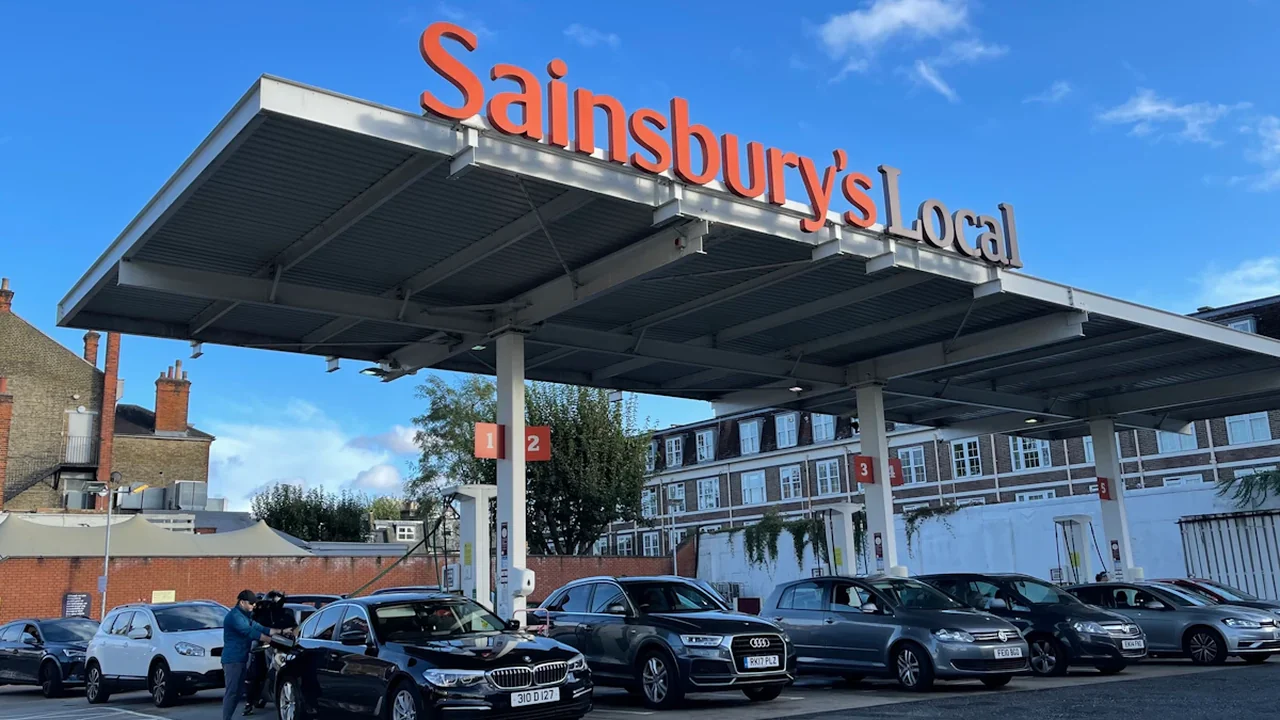
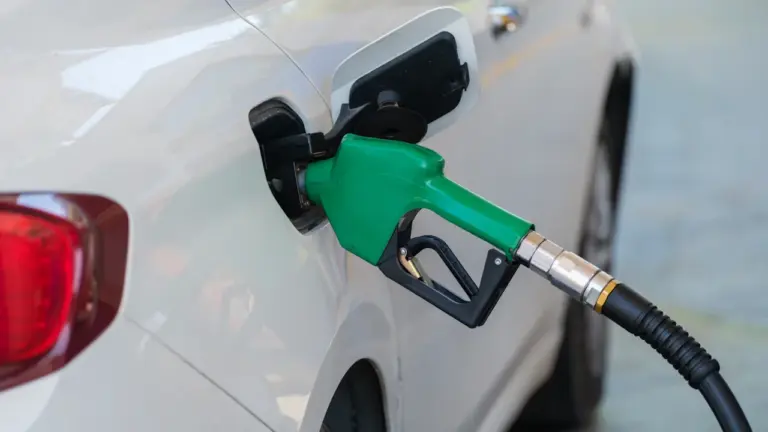
A late-August bank-holiday journey can cost noticeably more if you fill up at the first convenient forecourt. Prices can vary between nearby towns, supermarkets, independent stations and motorway service areas, so a short comparison before departure may protect a family travel budget without cutting corners on safety.
RAC Fuel Watch tracks fuel-price information and commentary for UK motorists, while the Department for Energy Security and Net Zero publishes guidance and road-fuel price data. Neither source means every forecourt will charge the same price on a given day: local competition, delivery costs and retailer decisions still matter.
Why the same tank can cost more on different routes
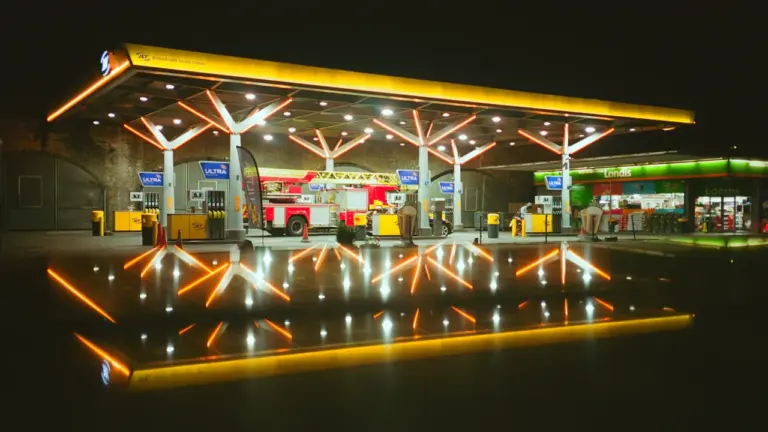
Motorway service stations are often convenient when drivers are already committed to a long journey, with fewer nearby alternatives. That convenience can mean higher pump prices than stations just off the motorway or in nearby towns.
Read also: UK fuel costs: what each penny adds to a 50-litre fill-up
A difference of a few pence per litre may sound small, but it applies to every litre in the tank. For example, a 50-litre fill that is 5p per litre cheaper saves £2.50. It does not prove that every motorway site is always the most expensive, or that a particular retailer will be cheapest, but it shows why checking before a major journey can be worthwhile.
Forecourt prices can also differ by area. A rural station may have different delivery and operating costs from an urban supermarket forecourt, while a busy local route may have stronger price competition. Treat a displayed price as a local offer, not a national rule.
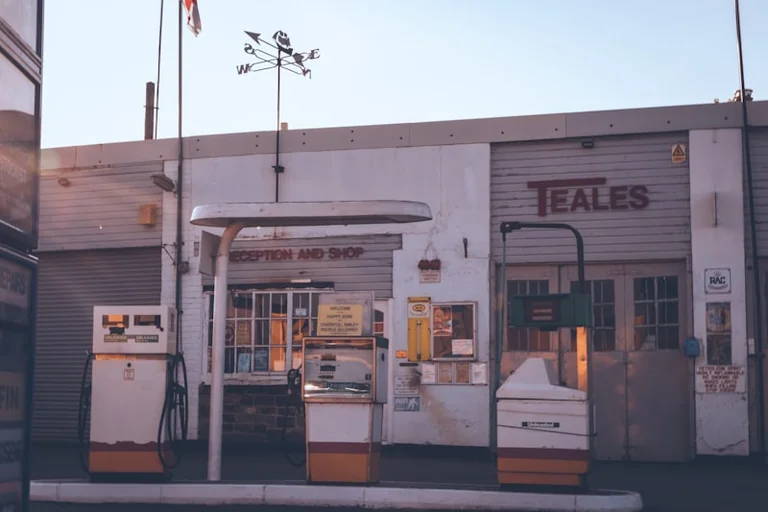
Compare nearby prices before joining the main route
Check prices on the day you plan to buy fuel, ideally before setting off or while stopped safely. The government’s fuel-price data guidance is a useful starting point for understanding published road-fuel price information, and RAC Fuel Watch provides wider context on prices facing UK motorists.
Use a simple comparison method:
- Search for petrol or diesel prices near home, your destination and a planned break point.
- Compare like for like: regular unleaded with regular unleaded, or standard diesel with standard diesel.
- Include stations just beyond motorway junctions, where a short detour may offer more choice.
- Check the station’s opening hours and payment options before relying on it.
- Decide whether the likely saving justifies the extra distance and time.
Do not chase a lower price by running the tank close to empty. Traffic, diversions and holiday congestion can change a route quickly. Keeping a sensible fuel margin is usually more valuable than a marginal saving.
Reduce fuel use without compromising safety
Start with the vehicle handbook
Set tyre pressures to the values in the vehicle handbook or tyre-pressure label, using the setting appropriate for the load you are carrying. Check pressures when tyres are cold where possible. Under-inflation can increase rolling resistance and affect handling, but over-inflating tyres beyond the manufacturer’s guidance is not a money-saving shortcut.
Remove unnecessary weight from the boot and roof, particularly bulky items that will not be used on the trip. Extra mass takes more energy to move, while roof boxes and racks can add aerodynamic drag. Keep essential equipment, child seats and emergency items in place.
Make the journey less wasteful
Smoother acceleration, earlier anticipation of traffic and a steady legal speed can reduce unnecessary fuel use. Harsh acceleration and repeated braking waste energy, especially in holiday queues. Plan fuel or charging stops in advance so you are not forced into the nearest high-priced option when the warning light appears.
For electric or plug-in hybrid drivers, plan charging around reliable stops and the likely queueing time rather than assuming every rapid charger will be available. The same principle applies: leave with enough range margin to make a safe, informed choice.
The useful check before you leave
Prices move, and a comparison is only a snapshot. Check local prices again on your departure day, then choose a station that balances cost, distance, opening hours and a comfortable fuel reserve. For broader price context, see RAC Fuel Watch and the GOV.UK fuel-price data guidance.
Source: RAC
Context & actions About this article
Source check Price-check context
Local pump prices should be compared on the day of travel because national information does not set an individual forecourt price.
- Compare prices near home, your route and destination on departure day.
- Check regular petrol or diesel against the same fuel grade.
- Confirm opening hours before planning a fuel stop.
- Source
- Department for Energy Security and Net Zero
- Scope
- United Kingdom
- Updated
- 2026-08-17 10:05
Source check
Report a trust issue
Send a clear signal to community moderation if the source, facts or context need review.
Comments