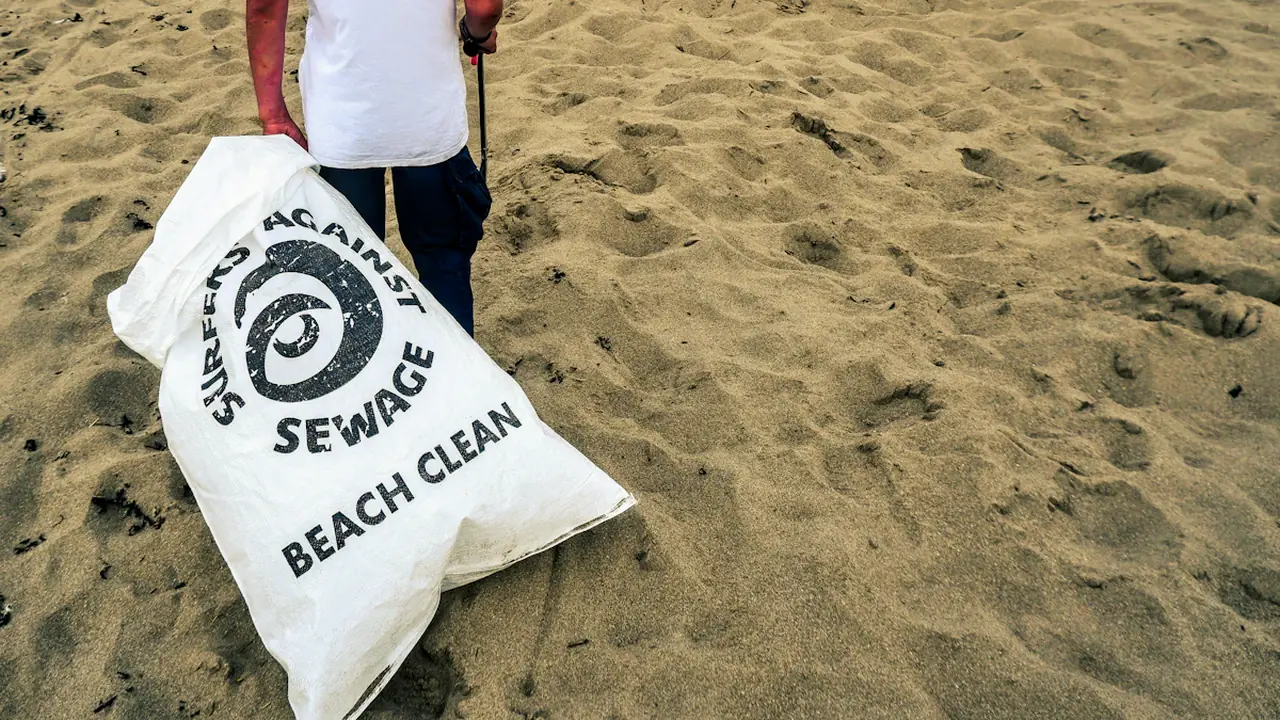
The Marine Conservation Society’s Great British Beach Clean begins this week, inviting volunteers across the United Kingdom to remove marine litter and record what they find. Before joining a local clean, check the organiser’s meeting details, the weather forecast and tide times, then bring practical gear that keeps you comfortable and safe.
Find a local clean and plan for the coast
Look for an organised Great British Beach Clean through the Marine Conservation Society’s event information. Organisers can confirm the meeting point, session length, parking or public-transport options, and whether litter bags or collection equipment will be available.
Check conditions again on the day. Coastal weather can change quickly, while a rising tide can reduce safe space on the beach. Wear clothes and footwear suitable for uneven, wet ground, and choose a time that leaves enough room between you and the water.
What to bring for a beach clean
A simple reusable kit is usually enough:
- Reusable or sturdy work gloves
- A reusable water bottle
- Closed-toe shoes or boots with grip
- Weather-appropriate layers and waterproofs
- Sun protection when conditions are bright
- A small hand sanitiser or wipes
- A charged phone for organiser updates or emergencies
Bring a litter picker if you own one, but check with the organiser before assuming it is required. Avoid single-use supplies where possible; the event’s purpose is to reduce waste as well as remove it.
Safety rules for sharp or unknown waste
Do not handle anything you cannot safely identify. This includes needles, broken glass, chemicals, containers with unknown contents, dead animals, large or heavy objects, and potentially hazardous waste.
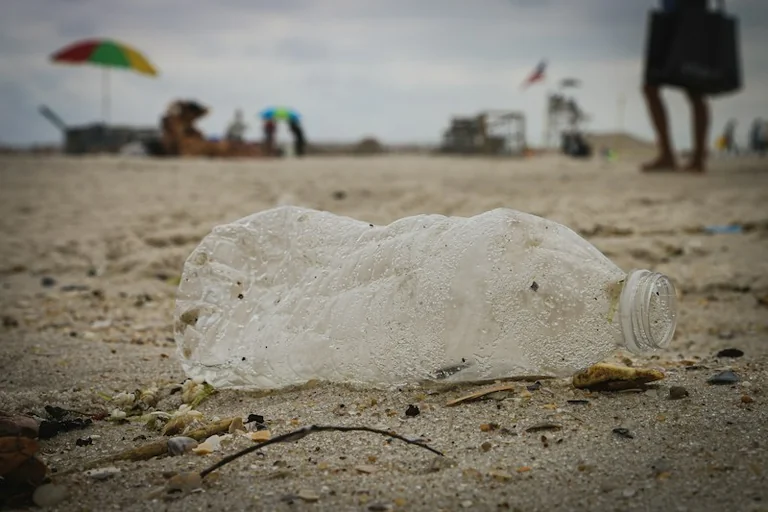
Keep children close to an adult and explain that they should point out unusual items rather than pick them up. Tell the event organiser about any unsafe find so it can be dealt with through the appropriate local route. Never enter unstable cliffs, rock pools in rough conditions, deep water or restricted areas to retrieve litter.
Record litter carefully, not just quickly
The Great British Beach Clean is a citizen-science campaign as well as a community clean-up. Volunteers’ records help the Marine Conservation Society build evidence about the types and quantities of litter reaching the coast.
Follow the recording method provided by your organiser. Count items in the requested categories, rather than estimating or combining unlike objects. If you are unsure where an item belongs, ask before submitting the data. Clear records make comparisons between beaches and years more useful.
Why the data matters
Marine litter data can show recurring problems, such as commonly found packaging or fishing-related debris. The Marine Conservation Society uses volunteers’ findings to support its work on ocean pollution, turning a few hours on the beach into evidence that can inform wider action.
Before setting off, confirm your local event details, review the forecast and tide, and check the organiser’s instructions for equipment and litter recording. The Marine Conservation Society’s Great British Beach Clean page is the best starting point for the latest campaign information.
Source: Marine Conservation Society
Context & actions About this article
Source check Campaign information
The Marine Conservation Society runs the Great British Beach Clean and uses volunteer litter data in its work on ocean pollution.
- Confirm your local clean’s meeting point and start time.
- Check tide and weather conditions before travelling.
- Follow the organiser’s litter-recording instructions.
- Source
- Marine Conservation Society
- Scope
- United Kingdom
- Updated
- 2026-09-13 12:18
Source check
Report a trust issue
Send a clear signal to community moderation if the source, facts or context need review.




Comments