By AtheneNet Travel Desk | Updated 19 August 2026
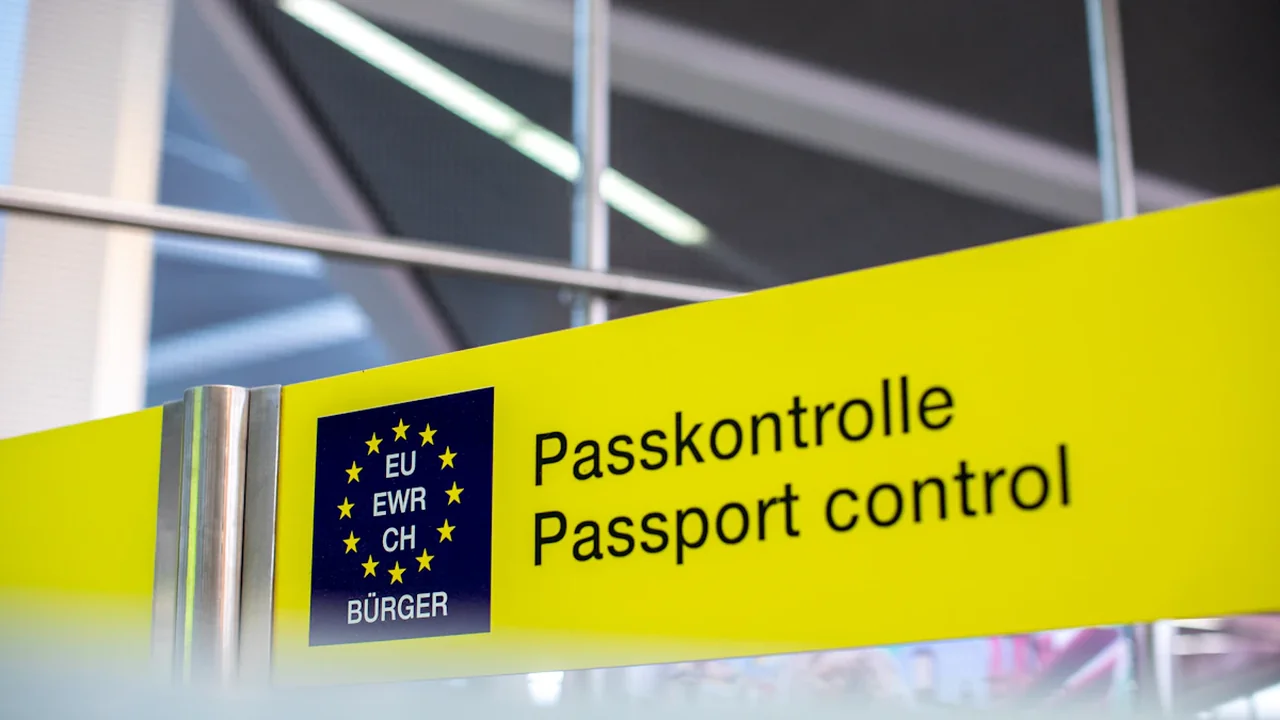
UK passport holders taking short trips to participating European countries should expect their border movements to be recorded through the EU Entry/Exit System. Travellers may need to provide biometric information, particularly during their first EES crossing, so families should leave additional time and check destination and carrier guidance before departure.
What the Entry/Exit System records
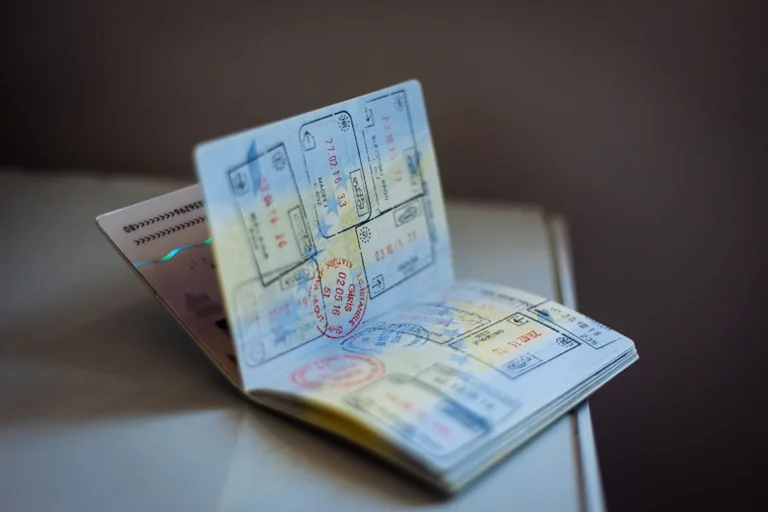
EES is an automated border system for registering non-EU nationals travelling for a short stay. It replaces manual passport stamping with an electronic record containing travel-document details, entry and exit information, a facial image and fingerprints where required.
Read also: August Bank Holiday Travellers: Check Your Passport Now
The European Union says deployment began on 12 October 2025, followed by a six-month progressive rollout. The precise passenger journey can still differ between airports, ferry ports, international rail terminals and other border crossings.
Which UK travellers are generally affected
Most UK passport holders visiting participating European countries for a short stay are generally within the system’s scope. Different rules may apply to people holding certain residence documents, long-stay visas or another qualifying status.
Travellers should not assume that a previous journey, family member’s status or departure point creates an exemption. Check the official rules for the destination and any countries crossed during the journey.
Your first EES registration may take longer
At a traveller’s first EES encounter, border staff or a self-service system may need to create an individual record. This can involve scanning the passport, capturing a facial image and taking fingerprints where required.
At later crossings, officers may verify the traveller against information already held and record the new entry or exit. Further checks or updated biometric collection may still be required, so a quicker process cannot be guaranteed.
Families should allow extra time because each traveller must be processed individually. Young passengers may need help following instructions, looking at a camera or using equipment designed primarily for adults.
EES and ETIAS serve different purposes
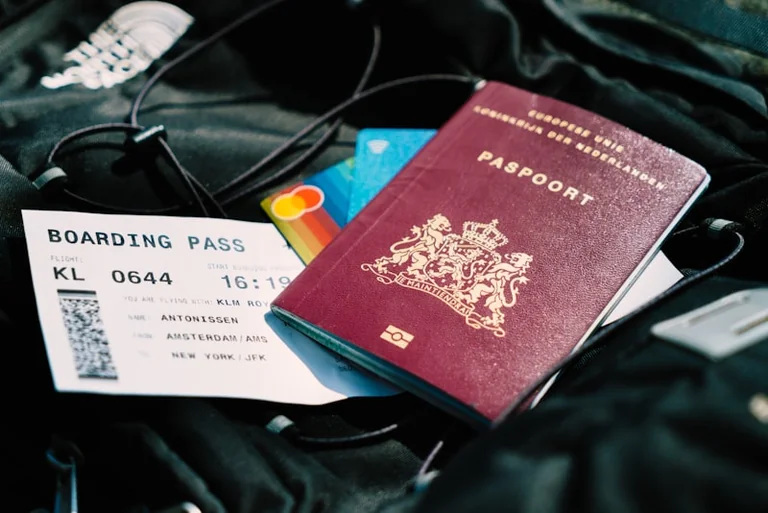
EES records eligible travellers when they cross a participating external border. ETIAS is separate: it is a travel-authorisation system for eligible visa-exempt visitors before travel.
Registration in EES does not automatically provide an ETIAS authorisation, and an ETIAS authorisation does not remove border checks. Travellers should verify whether ETIAS applies to their departure date through official EU guidance.
Checks to complete before departure
- Confirm that the destination participates in EES and check its current border instructions.
- Verify passport validity for every traveller, including children.
- Read the airline, ferry operator or rail company’s latest check-in and arrival guidance.
- Allow additional connection time where an itinerary includes border control.
- Keep residence documents or visas accessible if they affect immigration status.
The EU’s EES page should be the final reference for system scope and data collection. Destination authorities and carriers can explain how checks operate at a particular airport, port or rail terminal.
Source: European Union
Context & actions About this article
Source check Official guidance
This guide translates the EU’s published EES timetable, scope and data requirements into practical advice for UK travellers.
- Checked the official EES deployment date and progressive rollout timetable.
- Checked which travel and biometric information EES may record.
- Distinguished border registration under EES from advance authorisation under ETIAS.
- Included destination and carrier checks because procedures can vary by crossing.
- Source
- European Union: Entry/Exit System
- Scope
- United Kingdom and participating European countries
- Updated
- 2026-08-22 13:56
Source check
Report a trust issue
Send a clear signal to community moderation if the source, facts or context need review.


Comments