
By AtheneNet Travel Desk
British short-stay visitors crossing an external border of the Schengen area may have their passport details and biometric information registered in the European Union’s Entry/Exit System. A traveller’s first EES registration can add time to the border process, while the exact journey through checks will depend on the terminal and transport operator.
Who the Entry/Exit System covers
EES covers non-EU nationals making short stays in the Schengen area, including most British visitors travelling with a UK passport. It records travel-document details, a facial image, fingerprints where required, entry and exit information, and any refusal of entry.
The system does not replace the conditions for admission or extend the 90-days-in-180 rule. Travellers must still meet the entry requirements for every country on their itinerary.
People holding qualifying residence documents, as well as travellers in other exempt categories, may follow different rules. They should consult the official EES portal and the relevant country’s entry guidance before travelling.
Why the first EES registration may take longer
At an EES-enabled crossing, a traveller may need to present their passport, have a facial image captured and provide fingerprints when required. This initial registration involves more steps than a conventional passport check.
Information already registered may be used to verify the traveller on later journeys. However, an e-gate-compatible passport does not guarantee access to an automated lane or an identical process everywhere. Border layouts, equipment, staffing and local operating procedures can differ between crossings.
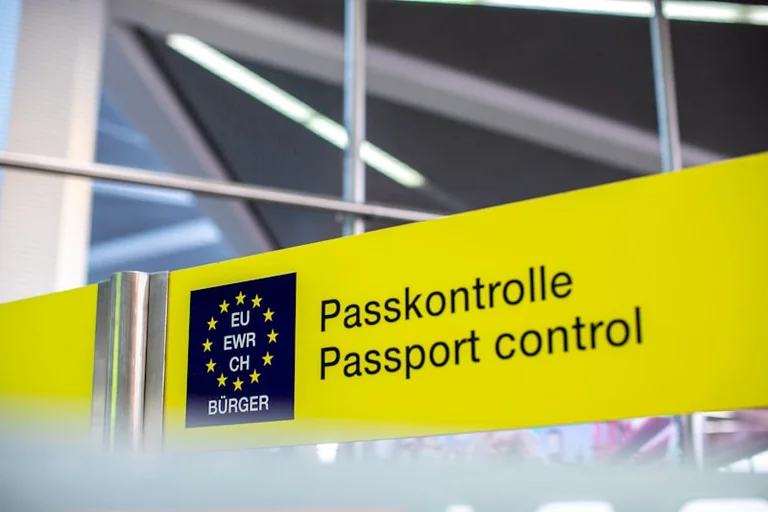
Airports, rail terminals and ferry ports may work differently
At airports, passengers may be directed to a registration kiosk, an automated gate or a staffed border-control desk. Signs and airline instructions should explain the route to follow.
At juxtaposed rail terminals, Schengen border checks can take place before departure from the UK. Passengers should therefore build additional border-processing time into their arrival at the station.
Ferry ports and vehicle terminals must process people travelling in cars, coaches and other vehicles. The procedure may depend on the port’s layout, so every passenger should keep their passport ready and follow lane, terminal and carrier instructions.
EES and ETIAS serve different purposes
EES is a border system that records covered travellers’ entries, exits and biometric data. ETIAS is a separate travel-authorisation scheme for eligible visa-exempt visitors. An ETIAS authorisation, when required, will not remove the need to complete EES checks at the border.
Complete these checks before leaving the UK
- Confirm passport-validity requirements for every destination and transit country.
- Calculate previous Schengen stays against the 90 days in any 180-day period limit.
- Allow extra time for the terminal’s border process, particularly on a first EES journey.
- Follow current instructions from the airline, railway, ferry company or vehicle operator.
- Carry any residence document or other evidence relevant to an exemption.
The European Union’s EES portal explains the system’s coverage and registered data. The Foreign, Commonwealth & Development Office provides country-specific entry requirements and travel alerts that should be checked shortly before departure.
Source: European Union
Context & actions About this article
Source check Official travel guidance
This guide uses the European Union’s EES information and UK country-specific travel advice.
- Checked which short-stay travellers are covered by EES.
- Checked the categories of passport, biometric and border-crossing data registered.
- Distinguished EES border registration from ETIAS travel authorisation.
- Included a reminder to verify destination-specific UK travel advice.
- Source
- European Union Entry/Exit System portal
- Scope
- Schengen area
- Updated
- 2026-08-14 17:59
Source check
Report a trust issue
Send a clear signal to community moderation if the source, facts or context need review.

Comments