
A 5p-per-litre price difference changes the cost of a 50-litre fill by £2.50. That is an arithmetic example, not a current market quote, but it shows why UK drivers should compare the official weekly average with nearby forecourt prices before deciding whether a cheaper stop is worth the journey.
Convert the pump-price gap into pounds
The calculation is straightforward:
Price gap in pence × litres purchased ÷ 100 = cash difference in pounds
For example, if one forecourt charges 5p less per litre and a driver buys 50 litres:
5 × 50 ÷ 100 = £2.50
The size of the tank is less important than the amount actually purchased. A driver adding 30 litres would save £1.50 at the same 5p gap, while a 60-litre purchase would produce a £3 difference.
This calculation can also be used when prices rise. A 3p-per-litre increase adds £1.50 to a 50-litre fill, assuming the same volume is bought.
How to use the official weekly UK average
The Department for Energy Security and Net Zero publishes weekly average UK pump prices for petrol and diesel. These figures provide a consistent national benchmark, but they are not a live quotation for every forecourt.
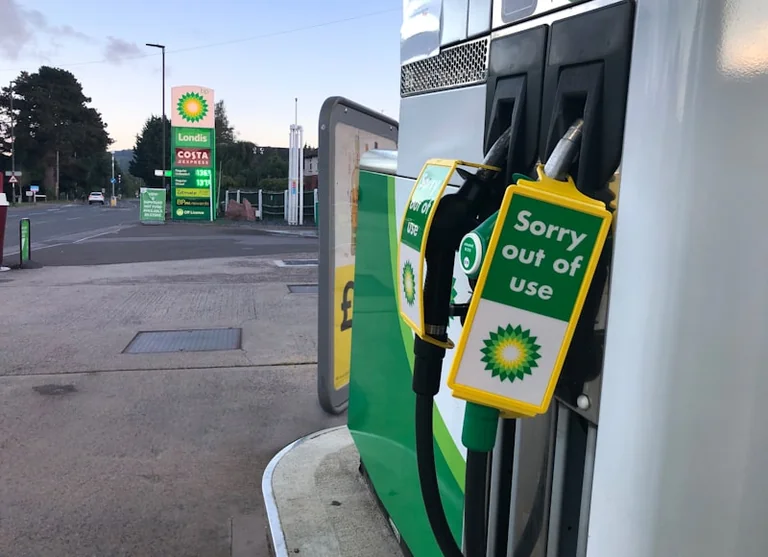
A useful comparison takes three steps:
- Note the latest official weekly average for the correct fuel type.
- Check current prices at forecourts near the planned route.
- Apply the price-gap formula to the number of litres likely to be purchased.
Petrol should be compared with petrol and diesel with diesel. The observation times also matter: a local price seen several days after the weekly data was collected may reflect a more recent change.
The national average does not identify the cheapest supplier, guarantee that a local price is good value or show what every driver will pay. It combines prices from different areas, while individual forecourts can move above or below that benchmark.
RAC Fuel Watch provides additional context on pump-price movements and the market influences affecting retail fuel costs.
Why forecourt prices differ by location
The price displayed at a pump reflects several elements, including wholesale fuel costs, fuel duty, VAT, distribution expenses and retailer operating costs. Changes in wholesale markets do not necessarily reach every forecourt at the same time or by the same amount.
Location also affects the comparison. Distribution arrangements, local competition, site costs and access can contribute to differences between forecourts. Motorway service areas may have a different cost structure from stations in towns, at supermarkets or on other major roads.
A few pence of variation therefore does not, by itself, prove that one retailer is consistently cheaper or more expensive. It is a snapshot tied to a fuel grade, place and observation time.
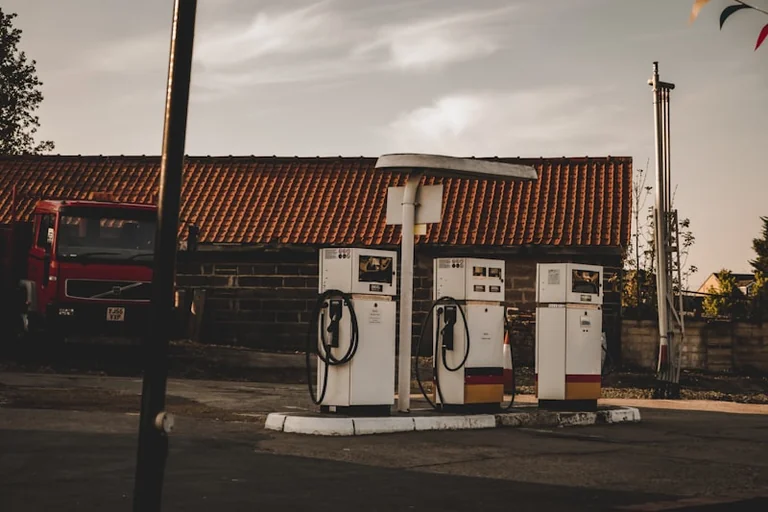
Decide whether a cheaper stop reduces the total trip cost
A lower price per litre is useful only if reaching it does not erase the saving. Drivers can estimate the value of a detour by comparing the calculated pump saving with the extra fuel used, additional mileage and any time or parking costs.
Suppose a 4p-per-litre gap is available on a planned 40-litre purchase. The pump-price difference is:
4 × 40 ÷ 100 = £1.60
If the detour adds enough driving to consume close to £1.60 of fuel, there may be little or no financial benefit. An unnecessary diversion can also make a seemingly attractive forecourt more expensive in total journey terms.
Practical checks include:
- Look at nearby prices before a longer journey, not while driving.
- Compare stations already on or close to the intended route.
- Estimate how many litres will actually be bought.
- Avoid travelling a substantial distance solely for a small price gap.
- Compare the total trip cost rather than price per litre alone.
The next useful check is the latest government weekly release alongside time-stamped local forecourt observations. Together, they show whether a nearby price is above or below the national benchmark and whether the cash difference is large enough to affect the household fuel budget.
Source: UK Government
Context & actions About this article
Source check How the comparison works
The examples convert pence-per-litre differences into cash amounts without presenting them as current forecourt quotes.
- Official weekly petrol and diesel averages are published by the UK Government.
- Local forecourt prices should be checked with an observation time.
- Petrol and diesel figures must be compared separately.
- Savings examples exclude the cost of unnecessary detours.
- Source
- UK Government weekly road fuel prices
- Scope
- United Kingdom
- Updated
- 2026-08-27 17:17
Source check
Report a trust issue
Send a clear signal to community moderation if the source, facts or context need review.



Comments