
A UK coastal trip on 22–23 August 2026 should remain flexible until destination-level forecasts become reliable. Compare local weather, transport disruption and beach safety information 48 to 72 hours before departure, then check again on the evening before and the morning of travel.
Check each destination 48 to 72 hours before travel
Use the Met Office UK forecast to search for each place under consideration. Do not rely on a single UK-wide headline: conditions can differ substantially between coasts and may also change over the weekend.
For every shortlisted destination, compare:
- Weather warnings and their timing
- Rain probability and expected duration
- Wind speed and direction
- UV levels and sun-protection needs
- Conditions during arrival, beach time and the journey home
Air temperature alone is not enough. A mild day can still bring strong wind, showers, high UV exposure or uncomfortable conditions beside the water. Recheck the selected locality shortly before leaving because warning areas and forecast details can change.
Plan the rail journey and the return before setting out
Check both outward and return routes through National Rail’s status and disruption service. Look for planned engineering work, altered timetables and current disruption affecting every connection.
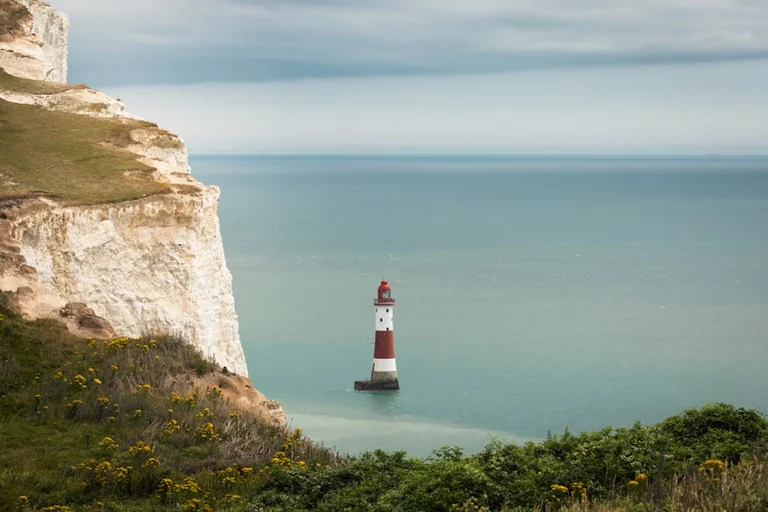
Confirm the last practical return service rather than relying on the final scheduled train. Allow extra time between connections and decide in advance what the household will do if the preferred service is cancelled or overcrowded. Travellers driving should separately verify parking restrictions, opening times and any pre-booking requirements with the relevant operator.
Choose lifeguarded beaches and understand the flags
Before travelling, check whether the chosen beach is scheduled to have lifeguard cover. On arrival, identify the supervised area and follow local signs and lifeguard instructions.
The RNLI beach-safety guidance explains the principal flag system:
- Red-and-yellow flags mark the lifeguarded area recommended for swimming and bodyboarding.
- A red flag means entering the water is dangerous; do not swim or enter the sea.
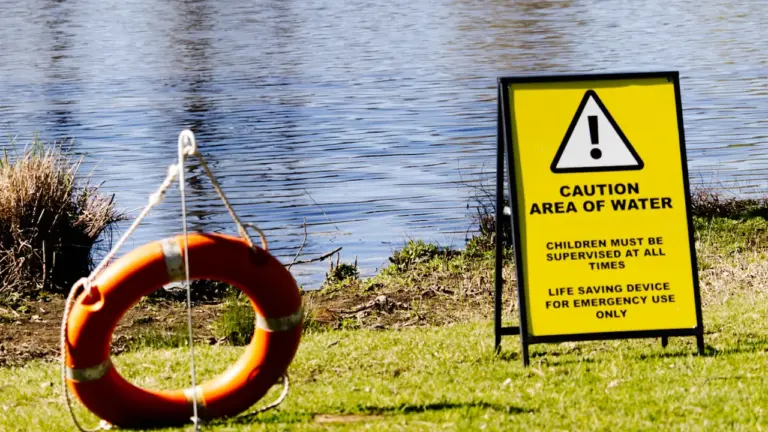
Keep children within reach near or in the water, even where lifeguards are present. Adults should also consider their own swimming ability, avoid inflatables in offshore winds and leave the water if conditions deteriorate.

Pack layers, waterproofs, drinking water, sunscreen and sun hats so the group can adapt to changing conditions.
Prepare a nearby poor-weather alternative
Choose one indoor or sheltered option close to the destination, such as a museum, aquarium, heritage property or protected coastal walk. Check opening hours, admission terms, accessibility and booking requirements directly with the operator before departure.
The final go-or-change decision should follow the latest local Met Office forecast, National Rail journey status and conditions reported at the selected beach—not the temperature forecast alone.
Source: Met Office
Context & actions About this article
Source check Planning method
This guide combines official local forecasts, rail disruption information and RNLI beach-safety advice without predicting conditions before reliable forecasts are available.
- Search the selected locality on the Met Office forecast service.
- Review outward and return disruption through National Rail.
- Confirm lifeguard cover and follow the RNLI beach-flag system.
- Verify backup attraction hours and admission terms with its operator.
- Source
- Met Office
- Scope
- United Kingdom
- Updated
- 2026-08-14 19:21
Source check
Report a trust issue
Send a clear signal to community moderation if the source, facts or context need review.



Comments