
Adding protein to breakfast may help some people feel full for longer, especially if their usual meal is small or mostly refined carbohydrate. That can make the morning more comfortable, but it does not guarantee steady energy, a faster metabolism or weight loss. The useful question is whether a breakfast with protein, fibre and enough food for your day works better for you.
What protein may change after breakfast
Protein can contribute to satiety: the feeling that you have eaten enough. A bowl of plain Greek yoghurt with fruit and oats, for example, may feel more sustaining than fruit alone. The difference depends on portion size, the rest of the meal and the person eating it. There is no single breakfast protein target that fits everyone.
Fullness is also affected by fibre, fat, meal volume and how long it has been since your last meal. Beans on wholegrain toast combine protein with fibre. Eggs with vegetables and toast bring a different mix of nutrients. Neither meal is automatically better; both can be adjusted to suit appetite, preferences and dietary needs.
If you are hungry again soon after breakfast, adding a protein food is one reasonable experiment. Keep the rest of the meal satisfying too. A spoonful of nuts beside a very small breakfast, for instance, may still leave you hungry because the overall meal is not enough.
Why feeling fuller is different from having more energy
People use “energy” to mean several things: calories from food, physical stamina, alertness or freedom from a midmorning slump. Protein supplies calories, but eating more of it does not reliably create an immediate feeling of alertness. Sleep, hydration, total food intake, medication, activity and health conditions can all affect how you feel.
A breakfast that keeps hunger at bay may make it easier to concentrate until lunch. That is a practical benefit if you notice it, rather than proof that protein has changed your metabolism. Claims that a high-protein breakfast will “switch on” fat burning or cause weight loss go beyond what any one meal can promise. Weight change, when it occurs, depends on a wider pattern of eating and activity, among other factors.
Skipping carbohydrates is not required to include protein. Wholegrain bread, oats and fruit can provide useful carbohydrates and fibre alongside eggs, yoghurt, tofu or beans. If you exercise early, your appetite and preferred meal timing may differ from someone who sits at a desk all morning.
How six breakfast protein foods compare in practice
These foods differ in taste, texture, preparation and the other nutrients they bring. Choose a combination you enjoy and can eat regularly; the serving that satisfies you may change from day to day.
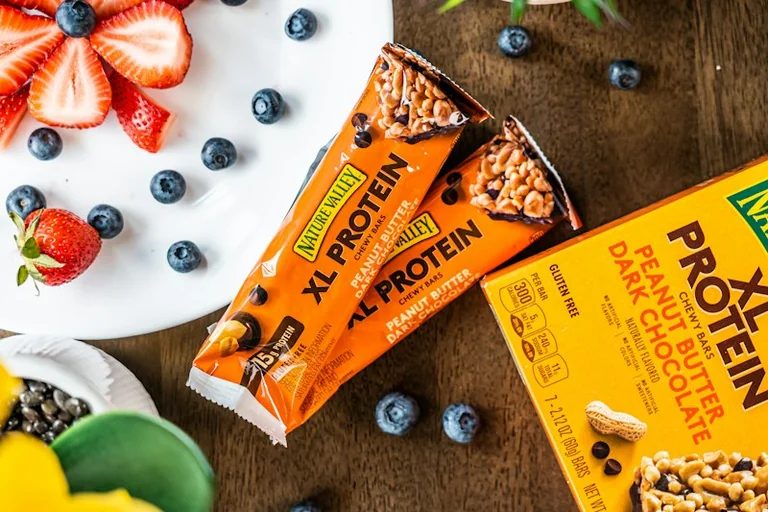
- Eggs are quick to cook and work with vegetables and toast. For an egg allergy or a plant-based meal, try a tofu scramble or beans.
- Greek yoghurt is easy to pair with oats and fruit. Check the label if you want to compare protein between products, since amounts vary. For a dairy allergy or dairy-free diet, consider a soy-based yoghurt that provides protein; coconut-based versions may differ considerably.
- Beans add both protein and fibre to toast, a wrap or a savoury bowl. If a particular legume is unsuitable, choose another tolerated protein food rather than assuming all beans are interchangeable for your needs.
- Tofu can be scrambled, baked ahead or added to a breakfast wrap. It is made from soy, so people with a soy allergy need another option, such as eggs if tolerated.
- Fish such as tinned salmon or sardines can make a savoury breakfast with toast and vegetables. Anyone with a fish allergy should avoid it and choose a tolerated alternative such as beans or eggs.
- Nuts and nut butters are convenient toppings for oats or toast and also contain fat. They may work best as part of a larger meal. For a nut allergy, use a tolerated seed or seed butter, checking labels for ingredients and cross-contact warnings.
Allergies are specific: a substitute is useful only if it is safe for the person eating it. Packaged foods can also vary in added sugar, salt and serving size, so compare labels when those details matter to you.
Build a breakfast that suits your morning
Start with a familiar meal and change one thing. Add yoghurt to fruit and oats, put beans on toast, or include tofu with leftover vegetables. Give the meal a few mornings before judging it: hunger and alertness can vary with sleep, activity and the timing of lunch.
If you prefer a lighter breakfast, a smaller meal followed by a planned snack may suit you better than forcing a large plate first thing. If you do not usually eat breakfast, there is no need to add it solely because protein is being discussed. Focus on whether your overall eating pattern meets your needs.
Pay attention to the outcome you actually care about. Are you comfortably full until your next meal? Do you enjoy the food? Is it practical to prepare? Those observations are more useful for choosing breakfast than a promise attached to a single ingredient.
When to get individual advice
Protein needs vary with age, body size, activity, pregnancy and health. If you have kidney disease or prescribed dietary restrictions, ask a clinician or registered dietitian before making major changes to your protein intake. The same applies if you have been given a specific nutrition plan that limits or adjusts particular foods.
Persistent fatigue deserves attention beyond breakfast. If low energy continues despite adequate food and sleep, or is new or worsening, speak with a healthcare professional. A more filling meal may help with morning hunger, but it cannot identify or treat the cause of ongoing fatigue.
Source: Editorial research




Comments