
Planning a day out in the UK often feels like a gamble against the clouds. Rather than obsessing over a single forecast, the secret to a successful trip is building a flexible framework that accounts for uncertainty. By preparing for multiple outcomes, you can protect your weekend plans from sudden shifts in the forecast and ensure your time remains enjoyable regardless of the conditions.
Reading the Forecast
Weather forecasts are probabilistic, not absolute. A 40% chance of rain does not mean it will rain for 40% of the day; it means there is a 40% probability that any given point in the area will see rain. As lead time increases, confidence drops. Check the Met Office or similar official sources 24 to 48 hours before you leave, but prioritize the hourly breakdown on the morning of your departure for the most accurate picture of your specific location.
Remember that UK weather is highly localized. Coastal breezes, hills, and urban heat islands can create microclimates. If your destination is 30 miles away, it may have a completely different sky than your home. Understanding this variability prevents the frustration of cancelling a trip based on a regional forecast that may not apply to your precise coordinates.
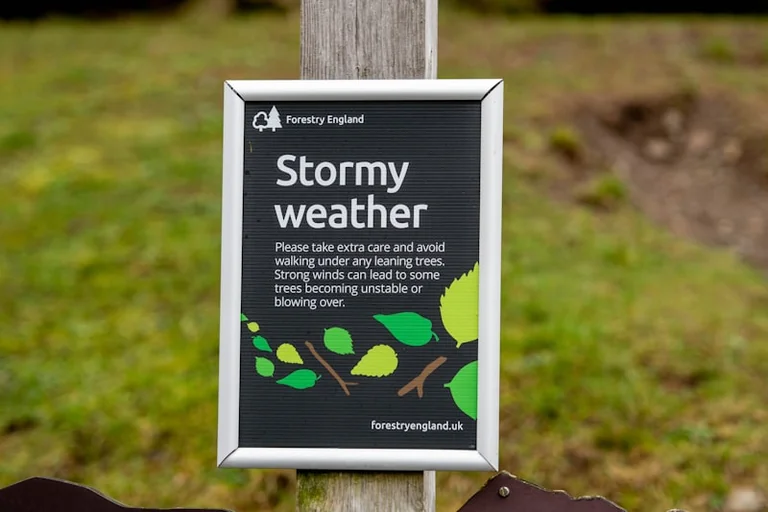
Building Your Plan A, B, and C
The most resilient itineraries are built on a modular structure. Instead of betting everything on one outdoor activity, use this three-part approach to maintain control over your day:
- The Primary Outdoor Plan: Choose your main activity, such as a hike or garden visit, but identify a ‘bail-out’ point if the conditions become untenable. This is the activity you hope to complete.
- The Indoor Alternative: Research a nearby museum, covered market, or historic site. Knowing exactly where to go if a downpour starts removes the stress of scrambling for a plan in the middle of a storm. Having this secondary option pre-researched turns a potential washout into a change of scenery.
- The Decision Milestone: Set a specific time—for example, 8:00 AM on the day of your trip—to check the live forecast and make your final call. Once that time passes, commit to the plan you have chosen. This prevents “forecast fatigue,” where you spend the entire day checking your phone instead of enjoying your surroundings.
If you are looking for inspiration to put these strategies into practice, you can explore this affordable UK day out to see how a flexible itinerary can be successfully executed.

Essential Packing for Unpredictable Days
When the weather is in flux, your kit must be adaptable. Avoid being caught out by packing for both sun and showers, focusing on modularity rather than bulk.
- Layering: Wear a base layer, a mid-layer for warmth, and a dedicated waterproof shell. This allows you to adjust your temperature as the day progresses. A waterproof shell is superior to a water-resistant jacket, as it provides a genuine barrier against sustained rain.
- Sun and Rain Protection: Even on cloudy days, UV exposure can be high. Pack sun cream, a wide-brimmed hat, and a sturdy umbrella or rain poncho. Having these items in your bag means you are prepared for the “four seasons in one day” phenomenon common in the UK.
- Hydration: Always carry a refillable water bottle. Even in cooler, damp weather, walking or exploring can leave you dehydrated. Maintaining hydration is a simple way to keep energy levels high throughout a long day of travel.
Final Checks Before Departure
Before you step out the door, take ten minutes to verify your logistics. Check local transport authority websites or apps for service disruptions, as wind or heavy rain can often lead to rail delays or road closures.
Finally, review your venue’s cancellation policy. Many attractions now require pre-booking, and understanding their terms for last-minute changes ensures that a weather-related cancellation doesn’t result in a financial loss. If you are traveling by train, verify if your ticket is flexible or tied to a specific time, as weather-related delays may impact your ability to meet a rigid schedule.
Source: Editorial research
Context & actions About this article
Source check Planning Methodology
This guide uses a modular planning framework to mitigate the impact of changing weather conditions.
- Check the Met Office for regional forecasts
- Verify transport status via National Rail or local transit apps
- Confirm venue opening hours and booking policies
- Source
- Met Office
- Scope
- United Kingdom
- Updated
- 2026-08-23 12:03
Source check
Report a trust issue
Send a clear signal to community moderation if the source, facts or context need review.




Comments