By AtheneNet Editorial Desk | Updated August 31, 2026
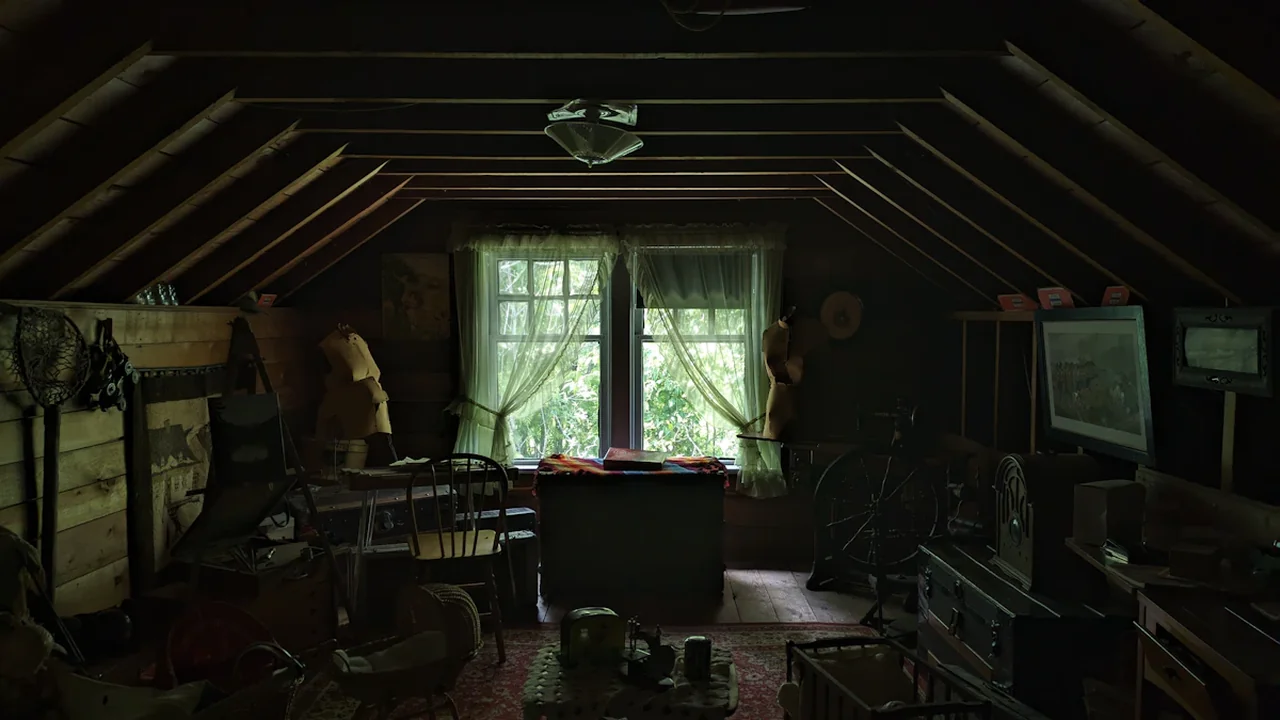
Dreaming of finding a hidden room can offer a useful prompt to notice interests, needs or parts of your identity that have received little space lately. It does not carry one fixed message. The most revealing detail may be how you felt when the door opened: curious, relieved, protective, disappointed or afraid.
Hidden room dreams are not diagnoses or predictions. Their value lies in the associations they awaken. Rather than asking what such dreams always mean, ask why this particular room appeared to you now and whether it resembles anything neglected in your waking life.
Start with what was actually inside the room
Before assigning a symbolic meaning, reconstruct the room as precisely as possible. Its condition, contents and place within the building may reveal which personal association deserves attention.
Was the space bright and habitable, or damp and difficult to enter? A welcoming room might remind you of an activity that could be resumed with pleasure. A damaged or crowded one may suggest that the neglected subject feels complicated, burdensome or overdue for care.
Look closely at any objects you remember. Musical instruments, books, tools, clothes, photographs or unfinished work can connect the dream to specific periods of life. An empty room may be equally informative, especially if it felt peaceful rather than barren.
Write down the details before they blur:
- Where was the entrance, and how did you discover it?
- What did the room contain, and what appeared to be missing?
- Did it seem recently used, long abandoned or deliberately concealed?
- Did you enter freely, hesitate at the threshold or close the door again?
- Who else, if anyone, knew that the room existed?
The emotional response matters more than a standard symbol dictionary. Excitement could point toward possibility, while unease might signal a boundary, memory or obligation that requires slower consideration. Mixed feelings are also useful; rediscovering something important can bring both pleasure and regret.
Ask whether the hidden space belonged to you
Ownership changes the character of the dream. If the room was inside your own home, it may feel like part of a familiar life that somehow escaped notice. If it belonged to a stranger, relative, school, workplace or hotel, the dream may draw on expectations associated with that setting.
Consider whether you felt entitled to remain. A room that seemed unquestionably yours may evoke a private need you have postponed, such as solitude, creativity, rest or study. Feeling like an intruder could reflect uncertainty about claiming time, attention or an identity that does not fit other people’s expectations.
The question is not whether the dream proves that a hidden self exists. A more grounded question is whether it has highlighted something you already recognise but rarely accommodate.
That neglected element might be modest: reading without a goal, repairing old friendships, drawing, gardening or sitting quietly. It could also involve an unfamiliar aspect of identity that needs exploration without an immediate label or major decision.
Secret chambers carry possibility and danger in stories
Hidden rooms have long provided powerful settings in Gothic fiction. A concealed chamber can disrupt the apparent order of a house, revealing that its polished rooms do not tell the whole story. It may contain a secret, a threat, forbidden knowledge or evidence of a past that has not remained buried.

British country-house stories use similar architecture to explore inheritance, privacy and the contrast between public appearance and domestic history. Locked wings, concealed passages and forgotten rooms turn the building into more than a backdrop: the house becomes a structure of memory, with some experiences displayed and others kept out of sight.
Folk narratives also place discoveries behind forbidden doors, beneath floors or beyond ordinary boundaries. Such spaces may hold treasure, danger, transformation or a test of judgment. The important pattern is their ambiguity. Opening the door creates an opportunity, but it can also bring responsibility.
These traditions can enrich a personal reflection without dictating it. If your dream room felt menacing, you do not have to force it into a cheerful story about untapped potential. If it felt safe and expansive, there is no need to treat secrecy itself as evidence of danger.
Why the room may have been overlooked
A concealed space can prompt a practical inventory of where your time has gone. Work, care duties, financial pressure, routine and fatigue can crowd out activities that once felt central. Sometimes an interest disappears not because it stopped mattering, but because it lacked a protected place in the week.
Ask what prevented the room from being noticed earlier. Was the doorway covered, locked, disguised or simply passed every day? That detail may suggest a waking-life parallel: a genuine barrier, a habit of postponement, another person’s expectations or your own assumption that the neglected activity is unproductive.
It may help to complete three short sentences:
- “The room reminded me of…”
- “I may have overlooked this because…”
- “The smallest safe way to reopen this part of life is…”
Keep the answers specific. “Be more creative” is difficult to act on, while “take out my sketchbook” creates a visible next step. “Improve my relationships” is broad; “call the friend I keep meaning to contact” is manageable.
Protect 30 minutes for what the dream brought back
On Sunday, choose one neglected skill, relationship or restorative activity suggested by the dream. Reserve 30 minutes in the coming week and place it in your calendar as a real appointment.
Make the session deliberately small. Practise three chords, mend one object, write one page, walk without your phone, prepare a favourite recipe or contact one person. The aim is not to recover an entire lost identity in half an hour. It is to test whether this part of life still feels meaningful when given room.
Before the session, note what you expect to feel. Afterwards, record what actually happened: energy, resistance, comfort, sadness, curiosity or nothing in particular. That response provides better guidance than the dream image alone.
If the activity feels restorative, protect another short session. If it creates distress or connects with difficult memories, pause and choose a gentler form of reflection or appropriate support. The hidden door is an invitation to pay attention, not a command to enter.
Source: Editorial research
Context & actions About this article
Source check How to use this reflection
This feature treats dream imagery as a prompt for personal reflection rather than a universal meaning, prediction or clinical assessment.
- Begin with remembered details rather than a fixed symbol definition.
- Give the dreamer’s emotional reaction priority over generic interpretations.
- Test any insight through one small, low-risk action in waking life.
- Pause the exercise if it causes distress or revives difficult memories.
- Scope
- International
- Updated
- 2026-08-31 18:14
Source check
Report a trust issue
Send a clear signal to community moderation if the source, facts or context need review.



Comments