
By the AtheneNet Editorial Team
Emily Dickinson’s “Hope is the thing with feathers” offers a small image to carry into a difficult day: a bird that keeps singing through a storm. For World Mental Health Day on October 10, the poem can invite a gentle question about what helps us feel supported. It does not promise that hardship will end, or that hope alone is enough to get through it.
The poem gives hope a voice, not a guarantee
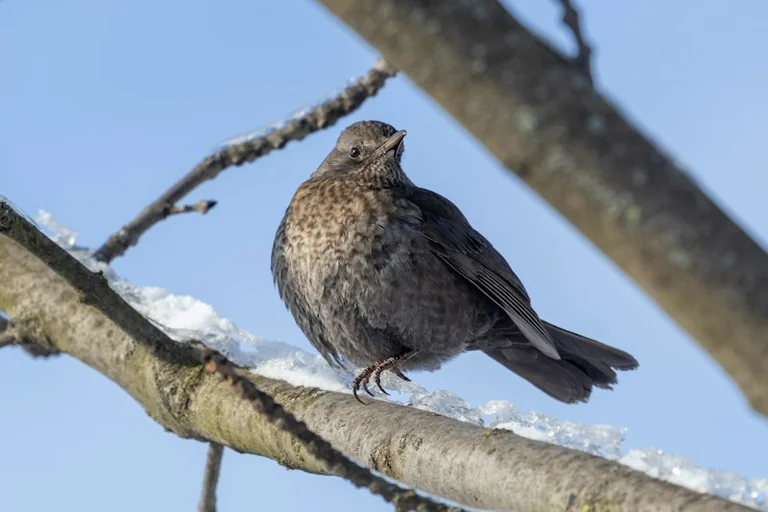
Dickinson begins by imagining hope as a bird that “perches in the soul.” A perch is a place to rest, not a permanent shelter. The image makes hope feel close and alive, while leaving room for it to be delicate. A bird can be heard without being held. It can stay nearby even when the person listening cannot explain what they need.
The bird sings a tune without words. That detail matters on days when reassurance sounds too certain or when someone has no words for how they feel. The poem does not give hope a speech about how everything will turn out. It gives it a sound: something a person might notice without having to agree with a prediction.
This is one way to distinguish hope from certainty. Certainty says an outcome is known. Hope allows someone to keep caring about a possible future while the outcome remains unclear. Neither the poem nor its reader has to settle the uncertainty for the bird’s song to mean something.
What the storm reveals about Dickinson’s bird
The poem places the bird in a storm and later imagines it in distant, harsh places. Those settings keep the metaphor from becoming a picture of an easy life. The bird’s song is especially noticeable when conditions are difficult. A reader might take comfort from that image without treating it as a claim that everyone can feel hopeful at every moment.
Dickinson also says the bird has never asked a crumb of her. In the poem, hope gives its song without demanding payment. Read gently, that image may relieve some of the pressure to earn a better feeling by being cheerful or productive. It is an interpretation of the metaphor, though, not a rule for how a person ought to respond to distress.
There is a limit to the image. Real people need food, rest, safety, company and care; they cannot live on a bird’s song. The poem’s final detail may be moving because it describes hope, while the needs of a person having a hard day remain concrete. Holding both thoughts together makes the reading more useful.
Where the poem sits in Dickinson’s work
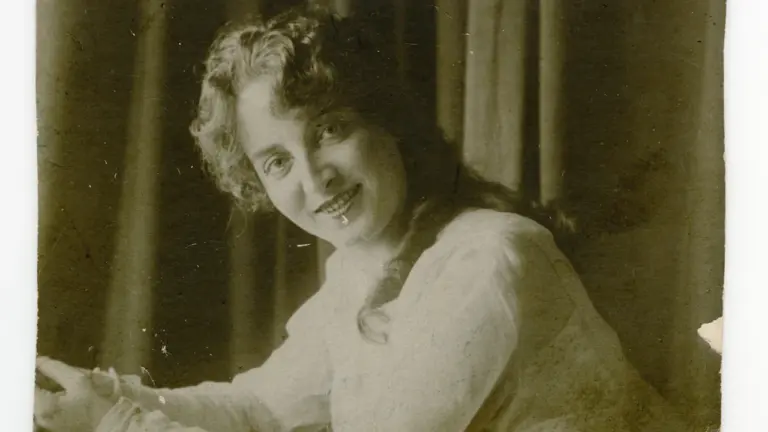
Emily Dickinson lived from 1830 to 1886 and wrote much of her poetry during her lifetime without publishing it widely. “Hope is the thing with feathers,” commonly identified as poem 314, appeared after her death in Poems, Second Series in 1891. The Poetry Foundation’s text of the poem lets readers return to its short lines and striking shifts in setting.
That publication history is useful context, but it does not tell us exactly what Dickinson was feeling when she wrote the poem. The bird is a metaphor on the page, open to careful reading. Someone may hear endurance in its song; someone else may notice how small and vulnerable a bird is beside a storm. Both responses begin with details the poem actually gives us.
The poem is also brief enough to revisit slowly. Its movement from an inward perch to wind, cold and sea changes the scale of the image. Hope starts somewhere intimate, then travels through places where a person might feel exposed. The song remains the connecting detail. Reading those changes can be more helpful than lifting the opening line alone as a promise.
A modest question for World Mental Health Day
If the poem stays with you, try asking: What helps me feel a little less alone on a hard day? An answer might be a person who listens, a familiar routine, time outside, a support group or an appointment already on the calendar. It may be something smaller, such as knowing whom you could contact. You do not need a poetic answer.
You could also ask what makes support easier to accept. Would it help to tell a friend, “I could use company, but I don’t need advice”? Would it help to write down one question for a health professional? These are possibilities for reflection, not tasks to complete or measures of how well you are coping.
Some days the bird’s song will not feel audible. That does not mean you have failed to hope. Dickinson’s image can offer language for one experience, but it cannot describe every person’s mental health or every difficult day.
If distress is persistent, worsening or affecting daily life, poetry and positive thinking are no substitute for mental health care. Consider speaking with a qualified professional or someone you trust who can help you reach appropriate support. If you may be in immediate danger, contact local emergency services. The question worth carrying beyond the poem is simple: who or what could help you feel supported today?
Source: Editorial research
Context & actions About this article
Source check Poem context
The reading draws on the published poem and offers reflection rather than mental health advice.
- Read the full poem alongside any interpretation of its bird imagery.
- Keep the poem’s publication history separate from claims about Dickinson’s private feeling...
- Seek qualified care when distress is persistent, worsening or affects daily life.
- Source
- Poetry Foundation: “Hope is the thing with feathers”
- Scope
- International
- Updated
- 2026-10-06 10:10
Source check
Report a trust issue
Send a clear signal to community moderation if the source, facts or context need review.



Comments