By AtheneNet editors
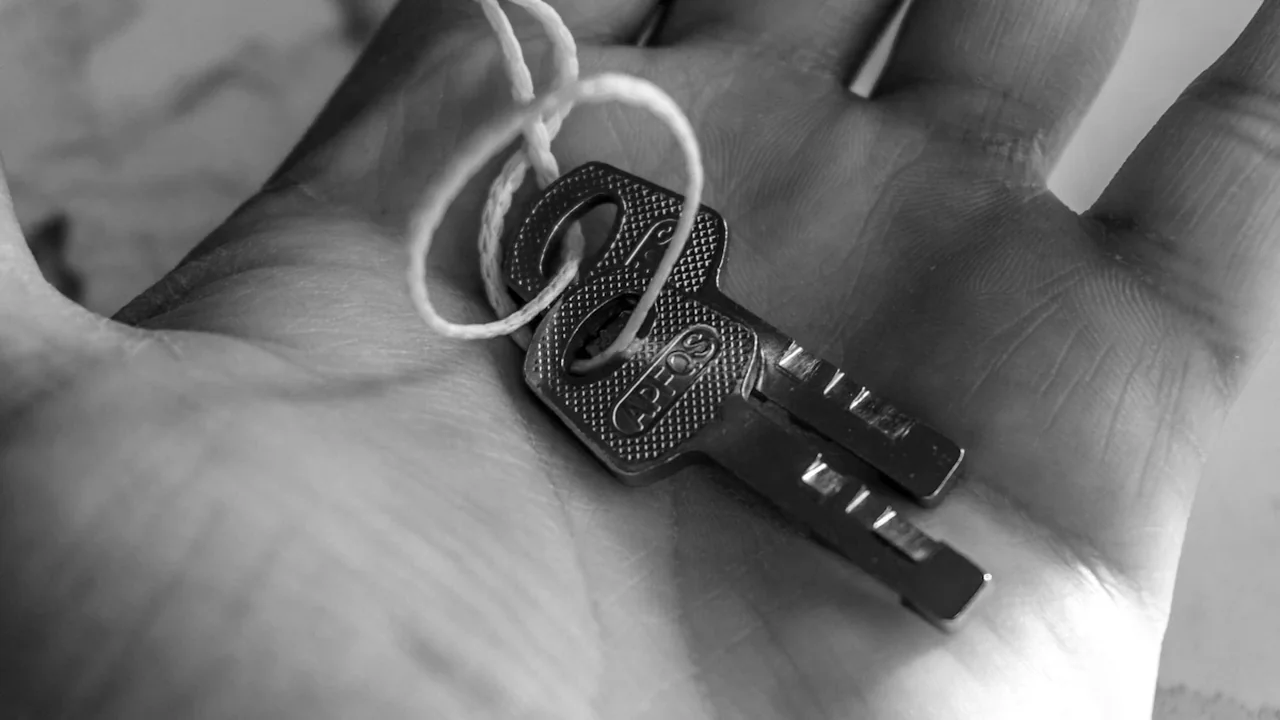
A dream about lost keys can feel urgent because keys give us access to places and things we are responsible for. The details may offer a useful question about control or privacy, but there is no single meaning to uncover. If you recently searched for misplaced keys, that everyday experience may be the simplest explanation.
What were the keys meant to open?
Start with the door, drawer or object in the dream, if you remember one. A front door may bring home and belonging to mind. A locked room might suggest something you wanted to keep private. Car keys may point toward a journey or an obligation to get somewhere. These are possible associations, not a code that assigns every object a fixed meaning.
Sometimes the dream never shows a lock. You know only that the keys are gone and you need them. In that case, the missing access may matter less than the feeling of being delayed. Were you trying to leave, get home, let someone in or keep someone out? Each situation gives you a more specific place to begin reflecting than the image of lost keys alone.
Pay attention, too, to whose keys they were. Losing your own set may feel different from misplacing keys someone trusted you to carry. A shared key can bring a relationship into the scene: who gave it to you, who expected you to use it and who might be affected if you could not find it?
Why keys can suggest authority and privacy
Keys have long been used as symbols of access and authority. Ceremonial keys can mark permission to enter a city, while religious imagery has also used keys to represent the power to admit or exclude. In ordinary life, the meaning is less grand but still clear: a key lets one person open a space that others cannot.
That history helps explain why a lost key might feel weightier than a lost pen in a dream. It can bring up questions about who has access, who makes decisions and what deserves protection. Still, a cultural symbol does not determine a personal dream. The same image may matter differently to someone moving house, caring for a relative or simply trying to get to work on time.
Privacy is one possible thread. Perhaps the dream focused on a door you could no longer lock, or on a set of keys that might fall into someone else’s hands. If so, ask whether a boundary in daily life has been on your mind. The useful question is about your own circumstances, not whether the dream predicts that your privacy will be breached.
The responsibility hidden in a missing key
Keys are small objects with practical consequences. Losing them can mean changing plans, asking for help or worrying that another person is waiting. A dream may borrow that familiar inconvenience to give shape to a current concern about responsibility.

Notice what you feared would happen next. Were you worried about disappointing someone, missing a deadline or being unable to protect a place? Did you feel embarrassed about the loss, or relieved that you no longer had to open the door? Those reactions may tell you more than the keys themselves.
A sense of responsibility does not mean you have failed at anything. It may reflect a task you are managing, an expectation you are weighing or a decision you have yet to make. If the dream was vivid, writing down the sequence before its details fade can help you distinguish what happened in the dream from the interpretation you added after waking.
When the explanation is an ordinary memory
Dreams can also draw on recent experiences without turning them into a message. If you spent ten minutes checking coat pockets yesterday, saw someone else lose a key or worried about locking up, those details are enough to make keys available as dream material.
Try checking the recent past before reaching for a symbolic reading. Did you change your routine, visit an unfamiliar building or wonder where you had put something important? A practical concern can coexist with a broader association, but you do not need to find a deeper one for the dream to make sense.
Repeated dreams can be worth noticing because their setting or feeling may change. A missing key in one dream might lead to a frantic search; in another, you might find a different way inside. Treat those differences as prompts for reflection, rather than proof that the dream is giving instructions or forecasting an event.
A short question to take away
Write one sentence that finishes this prompt: “I was trying to open or protect __, and losing the keys made me feel ____.” Use the answer the dream gives you, even if it seems mundane. Then ask whether anything in your day carried a similar feeling.
If no answer comes to mind, leave it there. You can check where your real keys are and move on. A lost-keys dream can be an occasion to think about access, privacy or responsibility without having to stand for any one of them.
Source: Editorial research
Context & actions About this article
Source check About dream meanings
Symbolic associations can prompt reflection, but they do not establish a fixed meaning or predict an event.
- Consider any recent experience involving lost keys.
- Recall what you were trying to open or protect.
- Notice the feeling and circumstances of the dream.
- Scope
- International
- Updated
- 2026-10-05 09:42
Source check
Report a trust issue
Send a clear signal to community moderation if the source, facts or context need review.




Comments