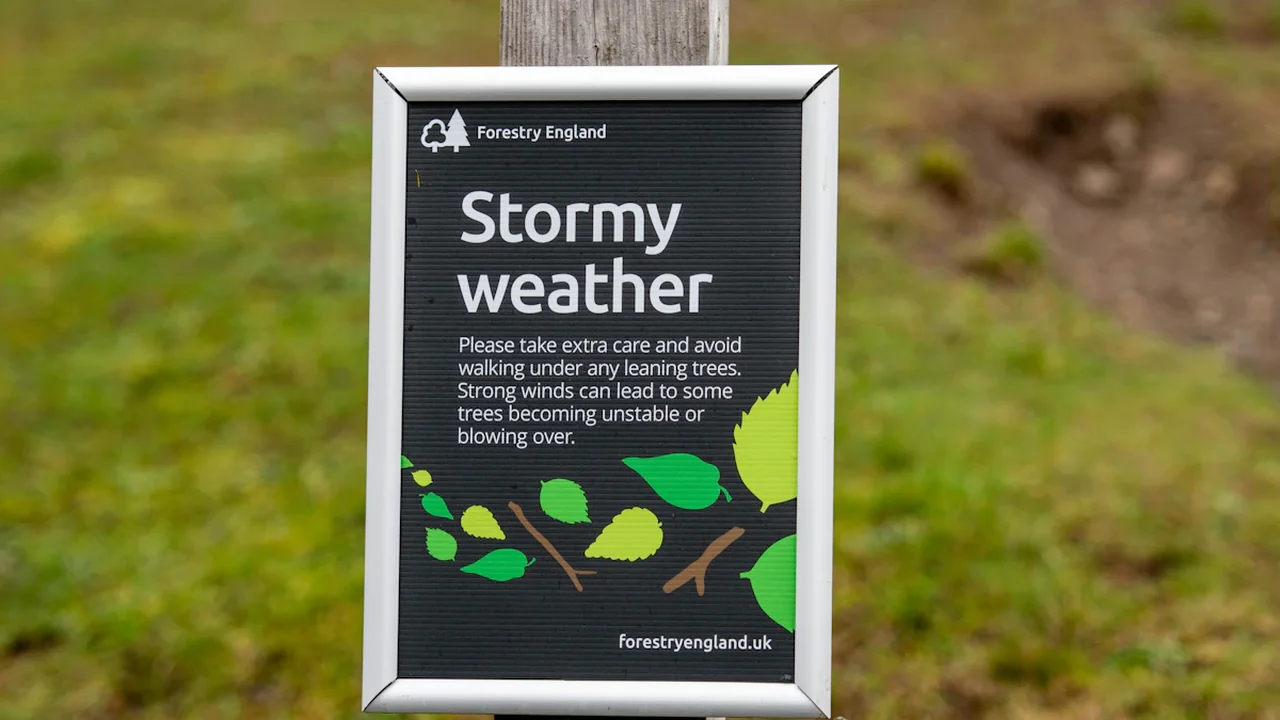
Before leaving home today, check the Met Office’s live UK weather warnings and your local forecast. The warning map shows whether official alerts cover your route or destination, while the local forecast helps with ordinary conditions such as rain, cold, visibility and wind. This matters for commuters, school journeys, drivers, walkers and anyone working outdoors.
The Met Office warning page is the best place to check the current position because weather alerts can vary by hazard and location. Do not assume that a warning applies to your area until the live map confirms it.
Warning or routine forecast: what is the difference?
A routine forecast describes expected conditions for a place and time. It can help you decide what to wear, whether to carry an umbrella or how much travel time to allow.
A weather warning highlights the possibility of weather that could cause impacts, disruption or danger. The warning information is organised by hazard and affected location, so the practical advice depends on what the Met Office currently shows for your area.
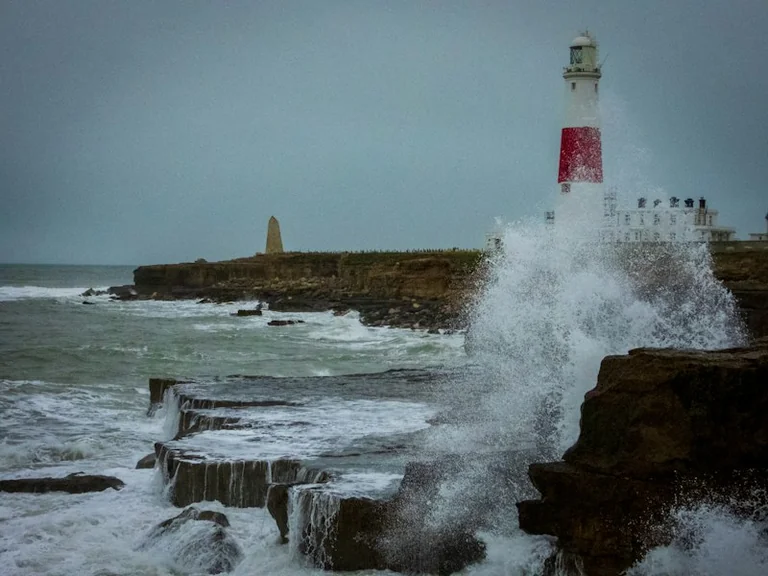
A warning does not automatically mean that every journey will be disrupted. It does mean you should check the details, allow extra time and consider whether your plans need to change.
Check these details before setting out
Use the Met Office UK warnings page alongside the local forecast for your postcode, town or destination. Before travelling, check:
- Whether a warning is active for your starting point, route or destination.
- Which hazard is named, such as flooding or strong winds.
- The warning period and the locations included on the map.
- Local road, rail or transport updates if conditions could affect travel.
- Whether your journey involves exposed roads, rural routes, low-lying areas or walking near water.
If the warning map does not cover your area, ordinary forecast conditions may still affect travel. Rain, ice, poor visibility or gusty winds can make a journey slower even without an official warning.

Sensible preparations for travel and vulnerable people
Leave extra time and avoid rushing. Drivers should reduce speed for the conditions, keep a safe distance and check their vehicle before departure. Walkers should choose safer routes and avoid flooded paths or exposed areas when conditions make them hazardous.
If an older person, child or someone with a health condition may be affected by the weather, check that they have suitable clothing, heating, food, medication and a reliable way to contact someone. Outdoor workers should follow workplace safety advice and review whether tasks can be postponed.
The next useful check is the Met Office warning map and local forecast immediately before departure. A later update, new warning or change in the affected area could alter the safest travel decision.
Source: Met Office
Context & actions About this article
Source check Official weather source
The Met Office publishes UK weather warnings and related advice by hazard and location.
- Check the live UK warning map
- Check the local forecast
- Review the warning period and affected area
- Source
- Met Office
- Scope
- United Kingdom
- Updated
- 2026-09-21 09:30
Source check
Report a trust issue
Send a clear signal to community moderation if the source, facts or context need review.


Comments