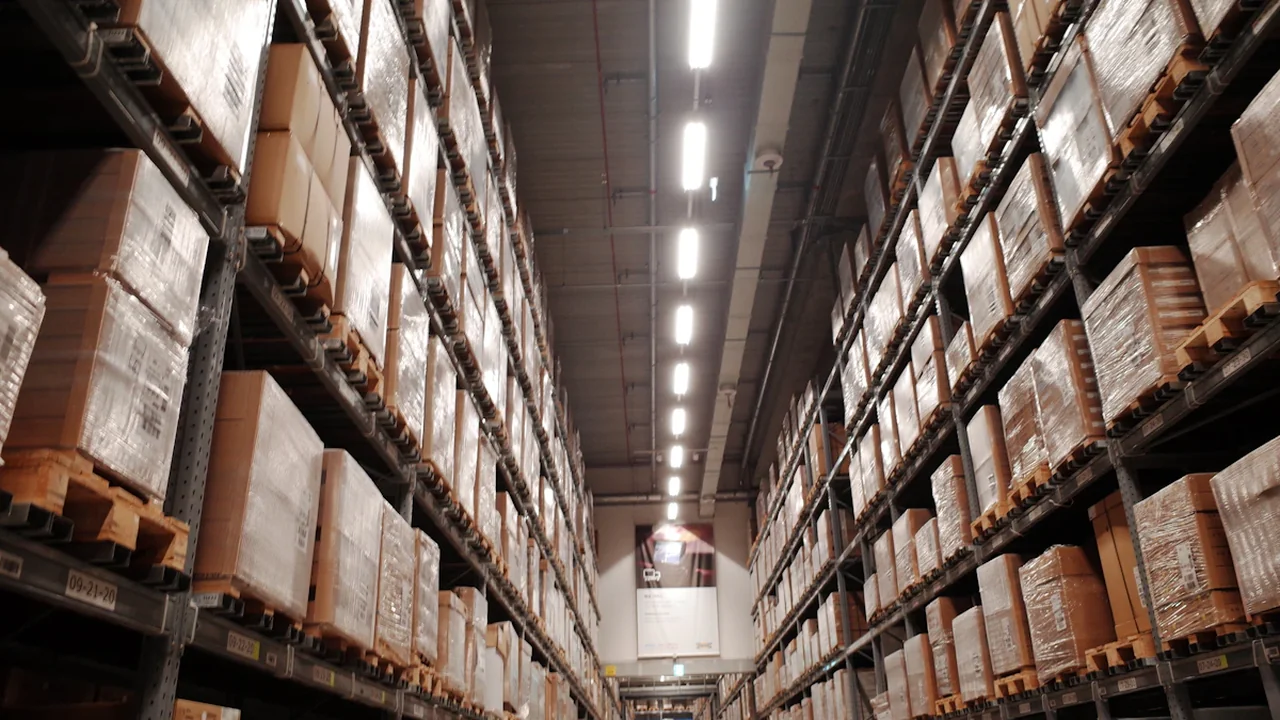
More than 33 tonnes of suspected illegal frozen food products have been seized in an operation spanning England, Wales and Scotland, the Food Standards Agency (FSA) said on 13 August.
The FSA’s National Food Crime Unit (NFCU) said one man was arrested and later released under investigation. Enquiries into the wider suspected trade of illegal food products are continuing.
The agency said there is no indication of a health risk to the public. People concerned about a food product they have bought should contact their local Environmental Health Team. Suspected food fraud can also be reported to Food Crime Confidential online or by calling 0800 028 1180; callers using non-UK mobiles or calling from outside the UK can use 020 7276 8787.
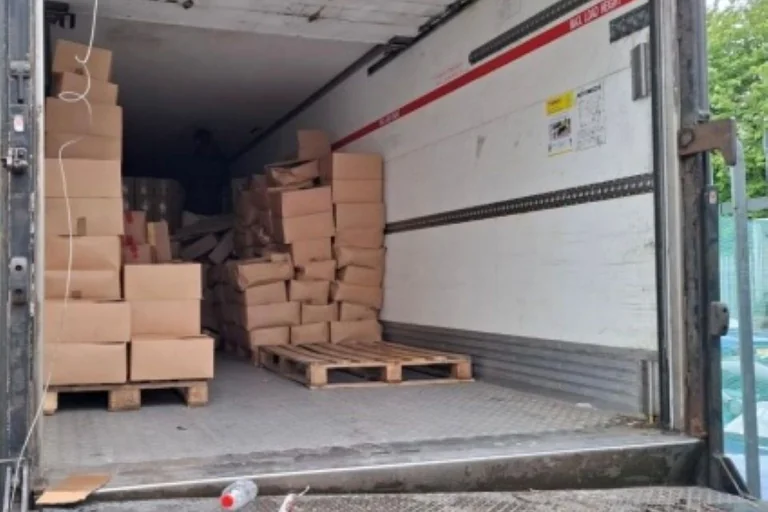
Seizures followed arrest and business visits
Following the arrest, NFCU officers and local authority partners disposed of 25 tonnes of suspected illegal frozen food products in June. Local authorities subsequently seized more than eight tonnes during 111 visits to businesses, taking the total removed during the operation to more than 33 tonnes.
The enforcement activity involved local authority partners, Greater Manchester Police, Staffordshire Police and Stoke-on-Trent City Council. It followed earlier investigations into premises suspected of selling frozen food with fraudulent labels and no traceability.
Traceability is the ability to identify where a product came from and follow it through the supply chain. The FSA said the concerns in this case relate to traceability and food safety, as mislabelled frozen food products can pose health risks.
Food Standards Agency position on public risk
Wayne Parker, a senior investigator at the FSA’s National Food Crime Unit, said the seizure and arrest showed agencies would act against people seeking to deceive consumers. He also thanked the partner organisations involved in the operation.
Andrew Quinn, head of the NFCU, said food fraud undermines legitimate businesses and erodes consumer trust. He said the unit remains focused on protecting consumers and preventing criminal activity in the UK food system.
The FSA has not identified specific products or retailers in its announcement. Its stated public-health position is that there is no indication of a risk to the public, while investigations and enforcement action continue.
Steps for shoppers and businesses
A Stoke-on-Trent City Council spokesperson said premises that may have received affected products were being contacted so goods could be withdrawn and recalled. This means businesses linked to the suspected supply may be contacted directly as enquiries progress.
For shoppers, the FSA’s advice is to raise concerns about a purchased product with their local Environmental Health Team. Anyone who suspects food fraud can use Food Crime Confidential, while the NFCU continues to examine the wider suspected trade in illegal food products.
Source: Food Standards Agency News
Context & actions About this article
Source check Source trail
This report uses the FSA’s published account of the seizure, arrest, partner agencies and consumer reporting advice.
- Confirmed the stated total of more than 33 tonnes seized.
- Checked the FSA’s statement that there is no indication of a public health risk.
- Checked the reported 25-tonne disposal in June and more than eight tonnes seized in 111 bu...
- Checked the Food Crime Confidential reporting numbers supplied by the FSA.
- Source
- Food Standards Agency News
- Scope
- United Kingdom
- Updated
- 2026-08-13 18:56
Source check
Report a trust issue
Send a clear signal to community moderation if the source, facts or context need review.



Comments